How Can I Prepare My Yard for Mosquito Season?
AI Summary
- Mosquitoes breed in standing water and thrive in warm, humid environments, making spring and summer prime seasons for heavy activity.
- Preparing your yard early by removing water sources, trimming vegetation, and improving drainage reduces mosquito populations significantly.
- Natural repellents, larvicide treatments, and yard maintenance create a safer outdoor space for families and pets.
- Professional mosquito control adds long-term protection and helps prevent aggressive mosquito species from spreading.
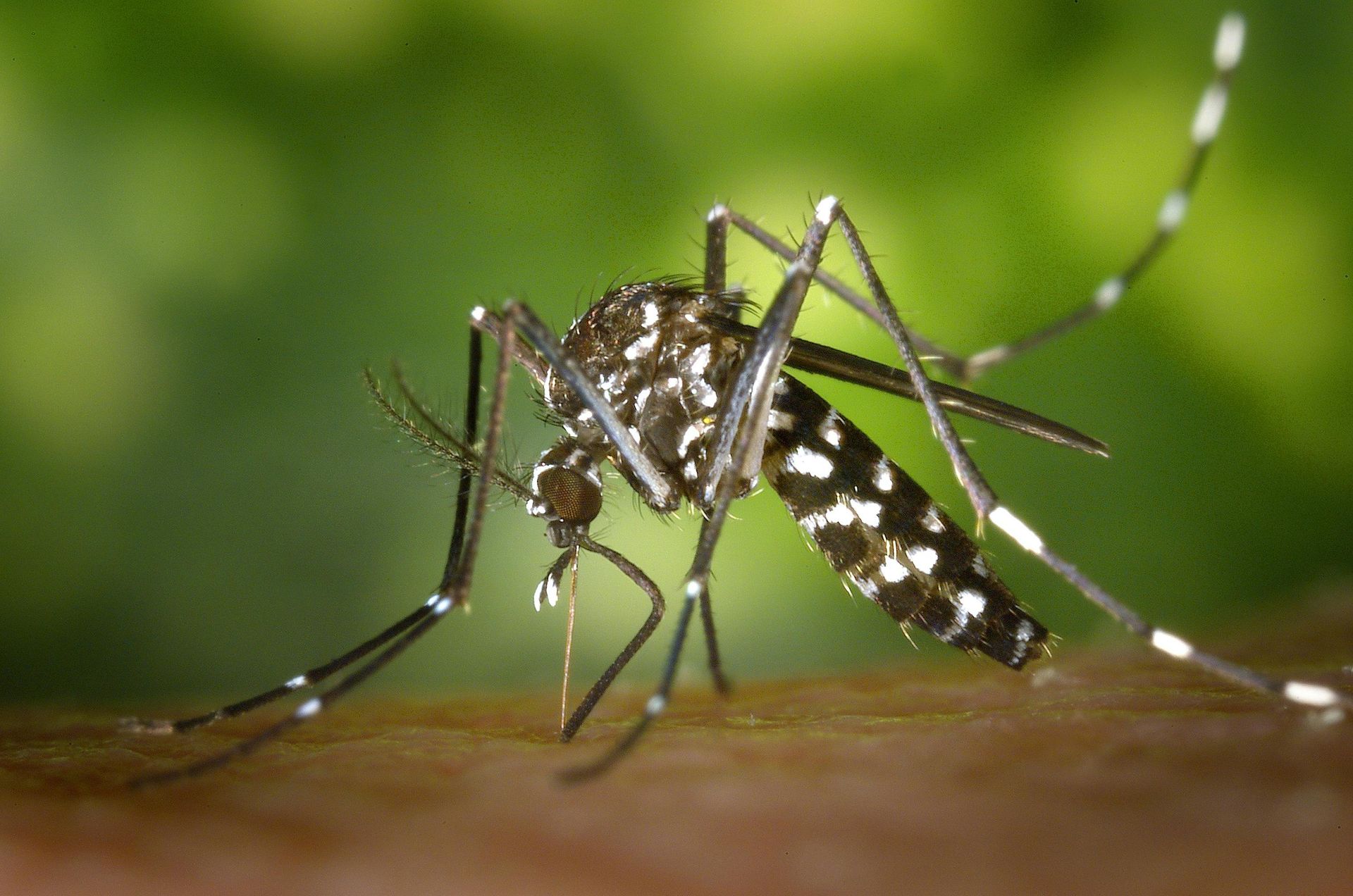
Mosquito season arrives quickly once temperatures rise, and for many households, it brings itching, buzzing, and the frustration of not being able to enjoy outdoor spaces. Mosquitoes thrive in warm, moisture-rich environments, and yards with standing water, heavy vegetation, or shaded resting spots become ideal breeding grounds. Preparing early is the best way to reduce mosquito activity and protect your family throughout the warmer months.
Whether you want to enjoy evening cookouts, protect pets from bites, or keep children safe from mosquito-related irritation, taking proactive steps now can make your yard far less inviting to these pests. This guide explains how to get your property ready for mosquito season and why early action creates the strongest long-term protection.
Why Mosquitoes Become Active in Spring and Summer
Mosquitoes need only two things to thrive: water and warmth. Once temperatures consistently reach 50 degrees or higher, mosquito eggs begin hatching. As humidity rises, mosquitoes breed rapidly and can complete a full life cycle in as little as 10 days.
Common attractants in yards include:
- Standing water
- Dense shrubs and tall grass
- Shaded resting areas
- Flowering plants with nectar
- Moist, dark corners
- Clogged gutters
- Poor drainage
Understanding what draws mosquitoes to your yard makes it easier to target the right prevention steps.
Step 1: Remove Standing Water
This is the most important step in preparing for mosquito season. Mosquitoes lay eggs in still, shallow water, and even a small amount can support hundreds of larvae.
Check your yard for water in:
- Buckets and flower pots
- Bird baths
- Kiddie pools
- Grill covers
- Tires
- Watering cans
- Wheelbarrows
- Trash can lids
- Plant saucers
- Old containers
Empty and scrub anything that collects water. For bird baths, replace water at least twice per week to prevent larvae from developing.
Step 2: Clean and Maintain Gutters
Clogged gutters trap leaves, debris, and water, creating hidden breeding sites above eye level. When preparing your yard for mosquito season:
- Clear all gutter debris
- Ensure downspouts drain properly
- Check for sagging or leaking areas
- Redirect water away from the home foundation
Clean gutters prevent both mosquitoes and moisture issues that attract other pests.
Step 3: Trim Vegetation and Reduce Shaded Areas
Mosquitoes rest in shady, humid places during the day. Overgrown yards provide ideal hiding spots. Cut back or maintain:
- Tall grass
- Dense shrubs
- Overhanging branches
- Untrimmed bushes
- Overgrown garden beds
Keeping your yard open and well-maintained reduces the number of areas mosquitoes can hide in.
Step 4: Improve Yard Drainage
Poor drainage leads to puddles and soggy soil, which becomes a mosquito breeding zone.
Improve drainage by:
- Filling low spots in the yard
- Installing gravel or topsoil where needed
- Clearing drainage ditches
- Ensuring downspouts flow away from the home
- Using rain barrels with secure, fine-mesh screens
If you see water pooling after storms, addressing drainage can drastically reduce mosquito activity.
Step 5: Treat Standing Water You Cannot Remove
Some water sources cannot be emptied, such as:
- Decorative ponds
- Rain barrels
- Deep landscape features
- Drainage areas
- Livestock troughs
In these cases, use larvicide tablets or treatments labeled as mosquito-safe. These products prevent mosquito larvae from developing into biting adults and are safe for pets, fish, and wildlife when used properly.
Step 6: Maintain Your Lawn Regularly
Mosquitoes avoid sunny, open spaces and prefer tall, damp environments. Keeping your lawn maintained limits hiding spots.
Lawn care tasks include:
- Weekly mowing
- Removing leaf piles
- Clearing yard debris
- Aerating the lawn to reduce moisture
- Keeping the grass near the home foundation short
This simple routine makes your yard far less welcoming to mosquitoes.
Step 7: Check Outdoor Lighting
Mosquitoes are attracted to certain types of light. If you want to reduce nighttime mosquito activity around patios and porches, replace standard bulbs with:
- Yellow bug lights
- Warm LED lights
- Sodium vapor bulbs
These bulbs reduce mosquito attraction while still providing illumination.
Step 8: Use Natural Mosquito Repellents in the Yard
Natural repellents help reduce mosquito activity and create a more comfortable outdoor environment. Some effective options include:
- Citronella candles
- Essential oil-based yard sprays
- Mosquito-repelling plants like lemon balm, lavender, and marigolds
- Fans on patios to disrupt mosquito flight
- Cedar mulch around garden beds
While these methods are not strong enough to eliminate mosquitoes alone, they support other prevention efforts.
Step 9: Prepare Outdoor Living Areas
Mosquitoes gather near seating areas where people spend time. Protect these spaces by:
- Cleaning outdoor furniture
- Removing standing water from table surfaces
- Using screened canopies or pergolas
- Adding fans to patios and decks
- Treating nearby vegetation with safe repellents
These steps help reduce mosquito encounters during outdoor activities.
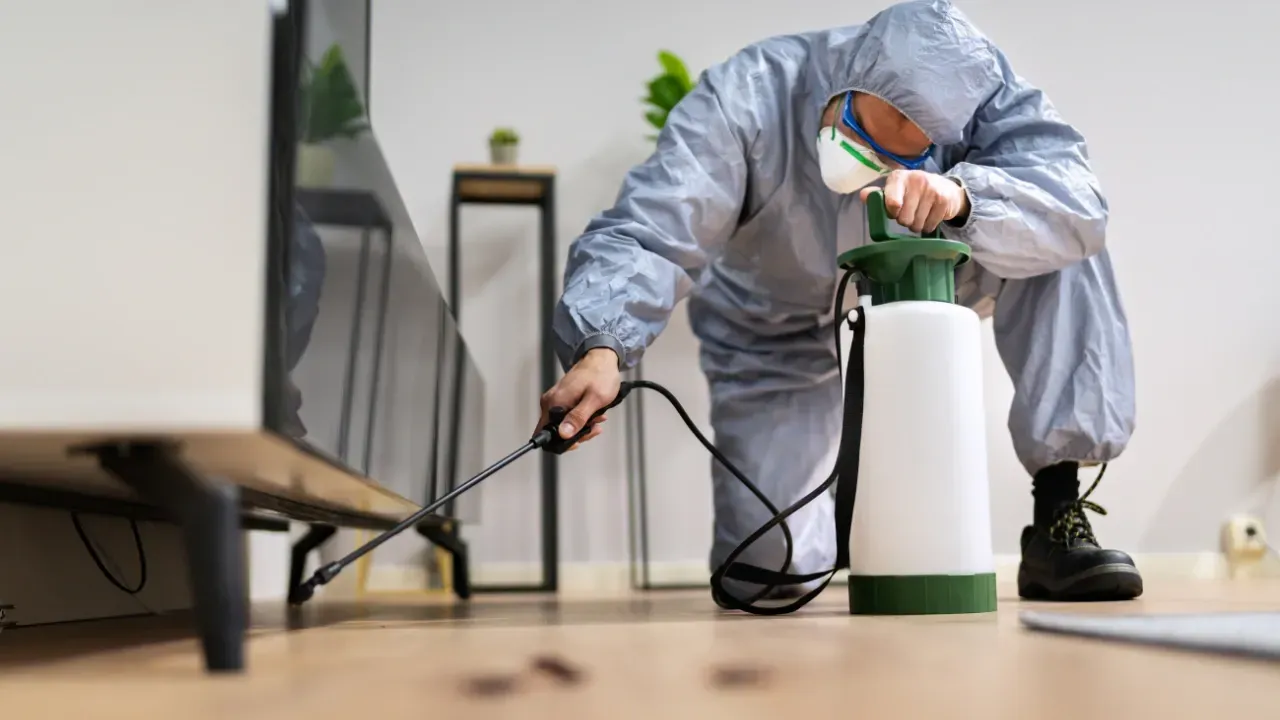
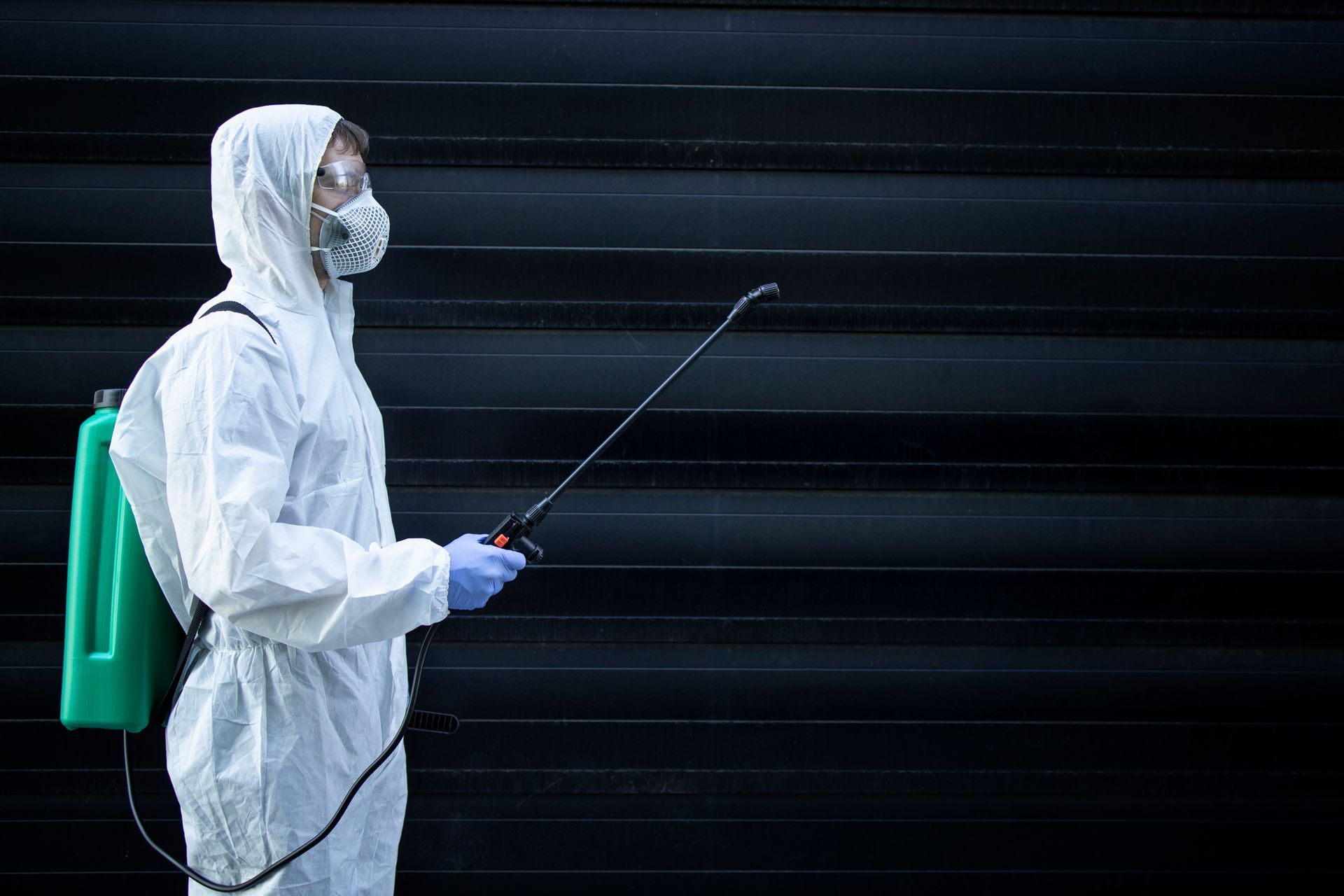
Step 10: Consider Professional Mosquito Treatments
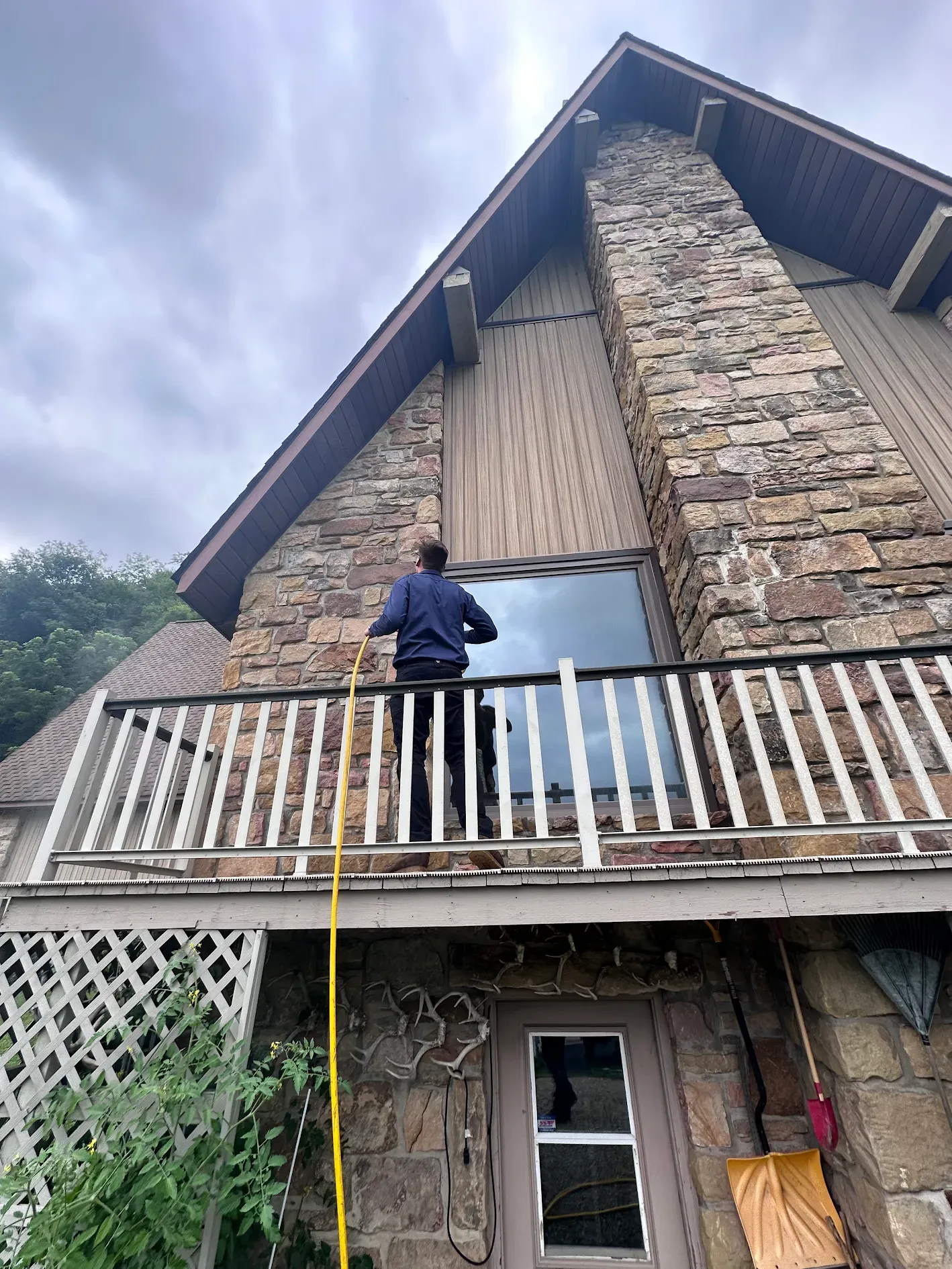
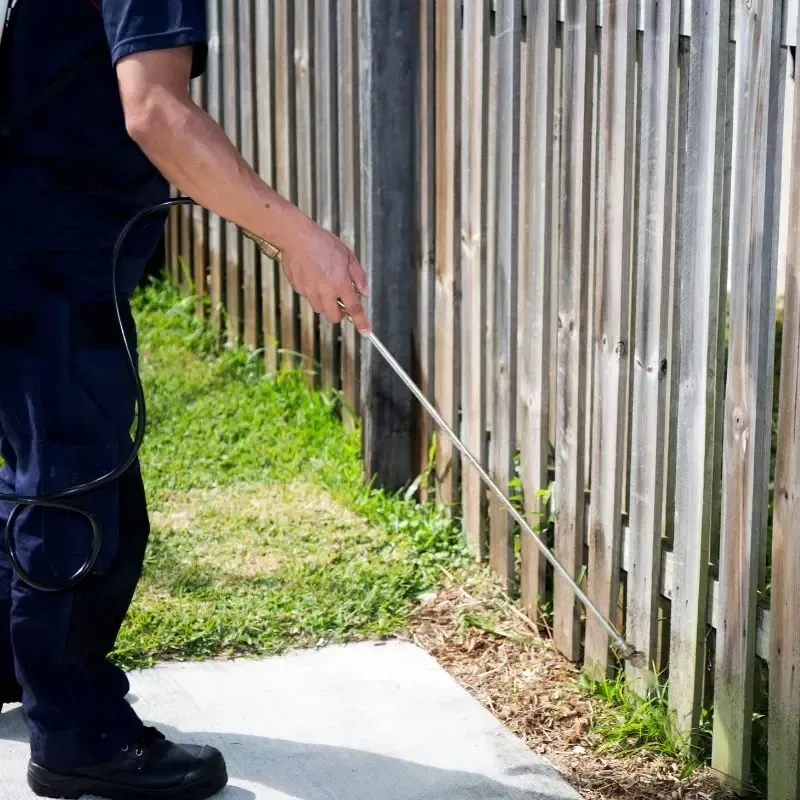
Professional mosquito control offers significant advantages during peak season. Technicians can treat:
- Yard perimeters
- Shaded areas
- Dense vegetation
- Moisture-prone zones
- High-activity breeding sites
Companies like Protective Pest Management use targeted treatments designed to reduce mosquito populations quickly while keeping families and pets safe.
People Also Ask
When does mosquito season start?
Mosquito season typically begins when temperatures stay above 50 degrees, usually late spring through early fall.
What attracts mosquitoes the most?
Standing water, sweat, body heat, floral scents, and shaded vegetation are major attractants.
Can mosquitoes breed indoors?
Yes, if standing water is present, but indoor breeding is less common.
Do citronella candles work?
They help reduce activity in small areas but are not strong enough for full-yard protection.
FAQ Section
How often should I treat my yard for mosquitoes?
Most yards benefit from treatments every 21 to 30 days during mosquito season.
Are mosquito treatments safe for pets and kids?
Yes. Professional treatments use targeted, low-toxicity formulas applied with safety in mind.
Will removing water really make a difference?
Absolutely. Most mosquito problems start with small, unnoticed water sources.
Do mosquitoes return after treatment?
Yes, but consistent treatments and yard maintenance keep populations low.
Can landscaping choices reduce mosquitoes?
Yes. Using certain plants, reducing shade, and improving airflow all help.
Call for a Free Quote
Preparing your yard early helps you enjoy a safe, comfortable outdoor season without constant mosquito annoyance. Call
Protective Pest Management today at
(814) 244-0067 or fill out our
online form to request a free quote. Our team provides effective, family-safe mosquito treatments that protect your yard all season long.

Share This