How Can I Prevent Summer Pests Around My Home?
AI Summary
- Summer weather brings increased activity from ants, spiders, wasps, mosquitoes, flies, and rodents seeking food, water, and shaded shelter.
- Preventing summer pests starts with sealing entry points, eliminating moisture, and maintaining outdoor spaces.
- Yard cleanup, food protection, and routine inspections reduce pest activity around patios, decks, garages, and entryways.
- Professional seasonal pest control provides long-term protection by targeting peak summer pest behaviors.
Summer brings warm days, outdoor gatherings, and more time spent in the yard, but it also brings a surge of pest activity. Insects and rodents thrive in hot, humid conditions, and once they locate food, shade, or moisture near your home, they stay for the season. Families often see an increase in ants in kitchens, spiders in basements, flies near trash bins, wasps around decks, and mosquitoes in the yard once summer arrives.
The good news is that preventing summer pests is manageable with the right strategy. This guide explains why summer pests become active, what steps you can take to protect your home, and how to reduce pest risks before they move indoors.
Why Summer Causes Pests to Increase
Warm temperatures speed up pest metabolism and breeding. Many insects can reproduce twice as fast in summer, and rodents remain highly active during hot months as they search for water and shelter.
Summer pest activity increases because of:
- Heat and humidity
- Increased food sources outdoors
- Standing water after storms
- Longer daylight hours
- Open windows and doors
- Summer gatherings with food waste
- Growing vegetation and shaded areas
Understanding these triggers helps you prepare an effective prevention plan.
Step 1: Seal Entry-Points Before Pests Enter
Summer pests take advantage of even the smallest gaps to move indoors when searching for cooler spaces or food.
Inspect your home and seal gaps around:
- Doors and door sweeps
- Window frames and screens
- Foundation cracks
- Siding gaps
- Utility line openings
- Vents without screens
- Garage door seals
Use materials like silicone caulk, weatherstripping, metal mesh, or steel wool for rodents. This step alone reduces ants, spiders, flies, and mice significantly.
Step 2: Reduce Moisture Around the Home
Moisture is one of the biggest attractants for summer pests. Mosquitoes, ants, centipedes, roaches, and rodents all seek water.
Reduce moisture by:
- Fixing leaky outdoor faucets
- Clearing clogged gutters
- Eliminating water puddles in the yard
- Running dehumidifiers in basements
- Improving crawlspace ventilation
- Repairing AC condensation leaks
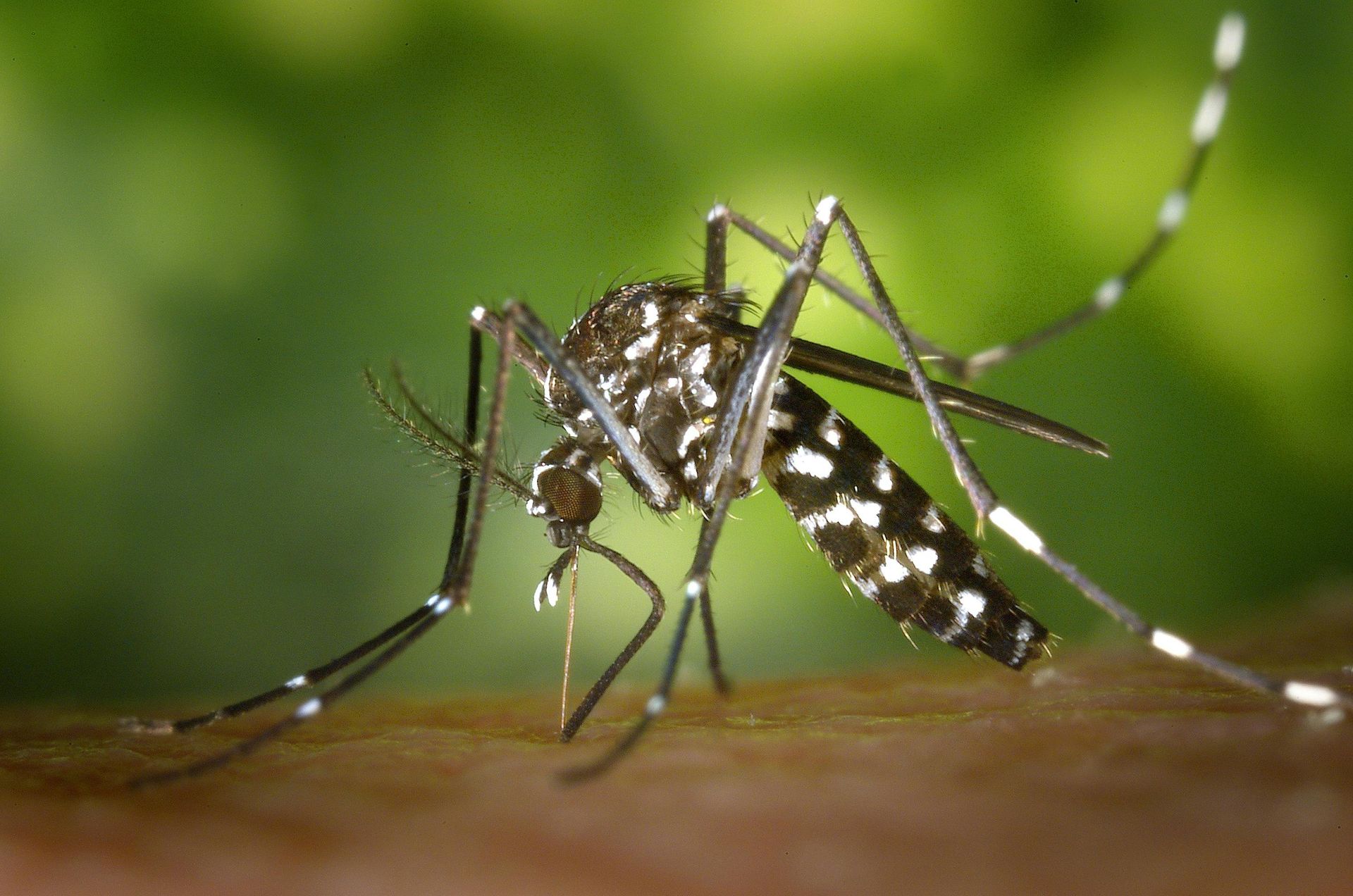
Standing water is the number one cause of mosquito outbreaks during summer.
Step 3: Keep Your Yard Maintained
Pests love overgrown, shaded, and cluttered yards. Proper landscaping is one of the most effective summer pest prevention strategies.
Maintain your yard by:
- Cutting tall grass
- Trimming bushes away from the home
- Removing leaf piles
- Clearing debris around decks and fences
- Storing firewood away from the house
- Refreshing mulch to avoid moisture buildup
- Cleaning patios and outdoor furniture
Tick, mosquito, ant, and spider activity decreases noticeably when vegetation is maintained.
Step 4: Manage Waste and Outdoor Food Sources
Summer gatherings and outdoor eating attract flies, ants, wasps, and rodents. Keeping your outdoor spaces clean makes a major difference.
To avoid attracting pests:
- Keep outdoor trash bins tightly sealed
- Clean up food spills immediately
- Do not leave pet food outside
- Wash grill surfaces after use
- Store birdseed in rodent-proof containers
- Keep recycling bins clean and dry
Small crumbs and drinks attract pests instantly, especially ants and flies.
Step 5: Reduce Mosquito Breeding Zones
Mosquito control is a major part of summer pest prevention. Mosquitoes need standing water to breed, and eliminating these sources is critical.
Remove or refresh water in:
- Buckets and plant saucers
- Kiddie pools
- Bird baths
- Old tires
- Wheelbarrows
- Open containers
- Gutters
- Rain barrels without screens
For water you cannot remove, such as ponds, use mosquito-safe larvicide.
Step 6: Protect Your Outdoor Living Areas
Patios, decks, and porches become common pest zones in summer. Protect your outdoor spaces by:
- Using fans to deter flying insects
- Installing screened areas
- Keeping food covered at gatherings
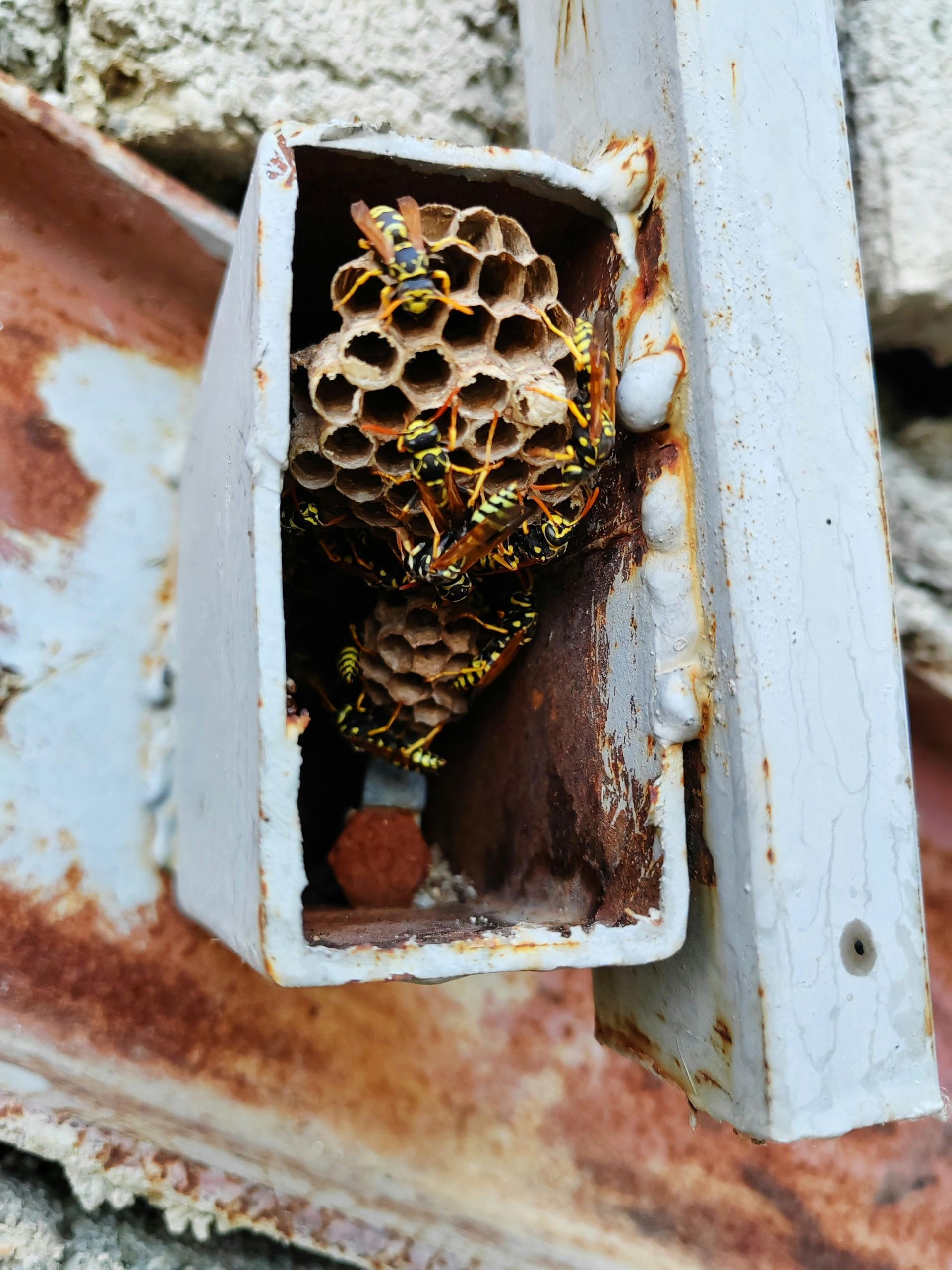
- Checking for early wasp or hornet nests
- Treating vegetation with safe repellents
- Cleaning furniture and railings
Early removal of small wasp nests prevents large colonies later in the season.
Step 7: Store Items Properly in Garages and Sheds
Garages and sheds become hot, quiet hiding places for rodents and insects during summer.
Prevent pest access by:
- Storing items in sealed bins instead of cardboard boxes
- Hanging tools and equipment
- Keeping floors clear of clutter
- Sealing wall gaps and foundation cracks
- Securing seed bags and fertilizers
- Checking storage boxes regularly
Rodent and spider activity increases in cluttered summer storage areas.
Step 8: Keep Indoor Spaces Clean and Less Attractive
Even if pests start outside, indoor conditions can attract them further.
Reduce indoor attractants by:
- Cleaning kitchen counters daily
- Storing food in airtight containers
- Running dishwashers at night
- Taking out trash regularly
- Sweeping under appliances
- Keeping pantry items sealed
- Fixing indoor leaks
Ants, roaches, and flies often enter after locating indoor food sources.
Step 9: Use Natural or Low-Toxicity Repellents
Natural repellents add an extra layer of protection and are safe for families and pets.
Options include:
- Citronella candles
- Lemon eucalyptus sprays
- Lavender, mint, and rosemary plants
- Cedar mulch in garden beds
- DIY vinegar or essential-oil sprays
These methods are not enough for severe infestations, but they help reduce general activity.
Step 10: Schedule Professional Summer Pest Treatments
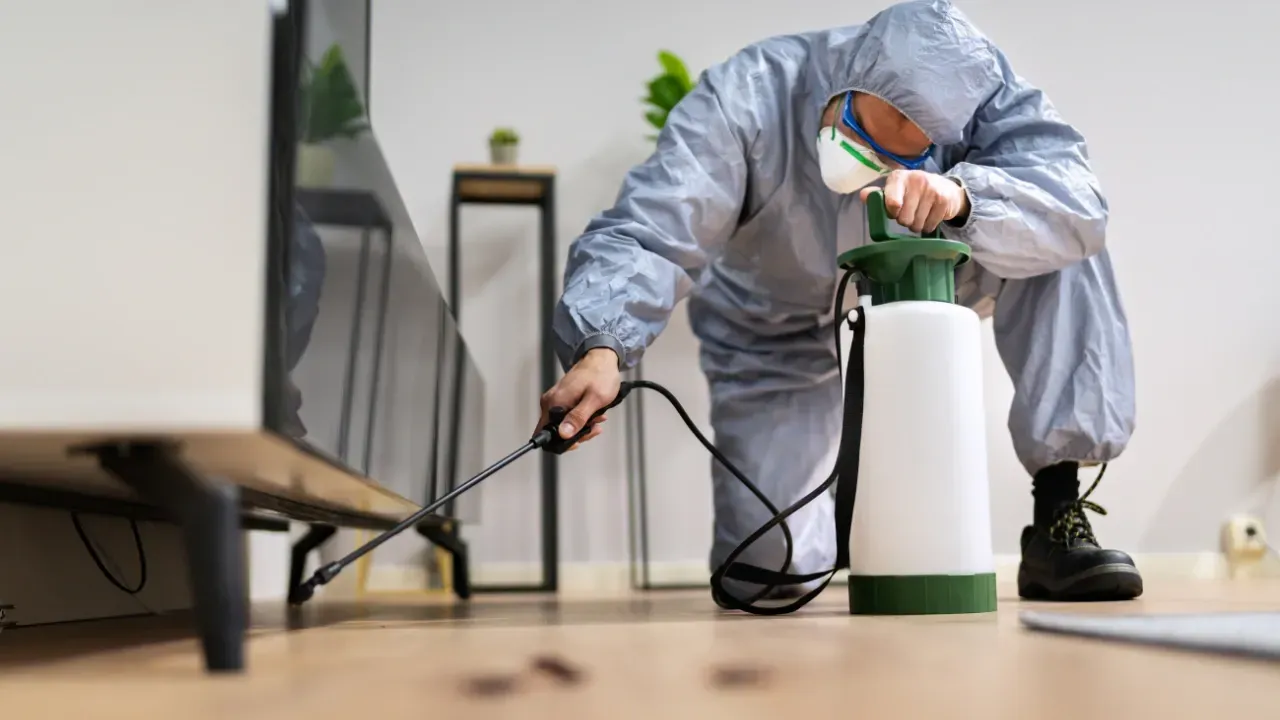
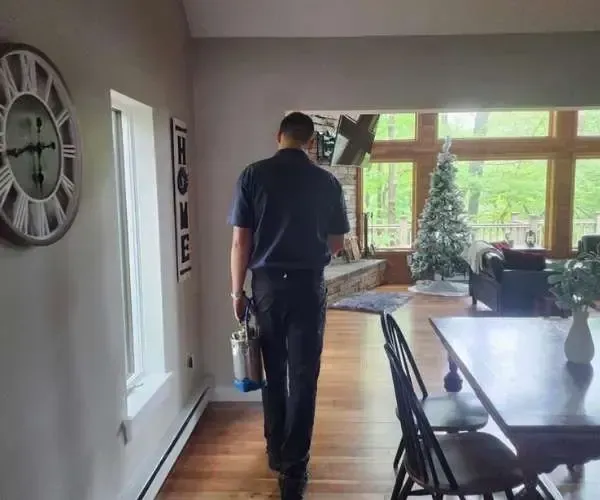
Professional pest control is one of the most effective ways to prevent summer pests before they become overwhelming.
Professional services offer:
- Targeted treatments for ants, mosquitoes, spiders, and wasps
- Barrier applications around the home
- Yard treatments for mosquitoes and ticks
- Sealing and entry-point recommendations
- Inspections that identify risks early
Companies like Protective Pest Management use safe, family-friendly methods designed for summer pest behavior.
People Also Ask
What pests are most common in summer?
Ants, mosquitoes, spiders, wasps, flies, ticks, fleas, and rodents are the most active in warm months.
How do I stop ants from entering my kitchen in summer?
Seal entry-points, remove crumbs, store food properly, and keep surfaces dry.
Are mosquitoes worse in humid weather?
Yes. Humidity speeds up mosquito breeding cycles.
Do pests leave when summer ends?
Some pests disappear, but many move indoors looking for warmth.
FAQ Section
How often should I treat my home for summer pests?
Most homes benefit from monthly or bi-monthly treatments during peak summer.
Can summer pests cause damage?
Yes. Rodents chew wiring and insulation, and some insects damage wood or contaminate food.
Are professional summer treatments safe for pets?
Yes. Treatments are targeted, low-toxicity, and family-safe.
Should I worry about wasp nests in summer?
Yes. Early nests grow quickly and should be handled safely by professionals.
Is yard maintenance really important?
Absolutely. A clean yard drastically reduces pest breeding and hiding places.
Call for a Free Quote
Summer pests can make outdoor and indoor living uncomfortable, but early prevention keeps your home protected all season long. Call
Protective Pest Management today at
(814) 244-0067 or fill out our
online form to request a free quote. Our team provides safe, effective summer pest treatments that help your family enjoy a pest-free season.

Share This