What Should I Do if Wasps Gather on My Porch?
AI Summary
- Wasps gather on porches for shelter, food sources, moisture, and ideal nest-building locations.
- The safest response is to avoid disturbing them and inspect for nests in nearby eaves, railings, or furniture.
- Removing attractants and sealing gaps helps prevent wasps from returning.
- Professional removal is recommended for nests of any size to avoid stings and aggressive behavior.
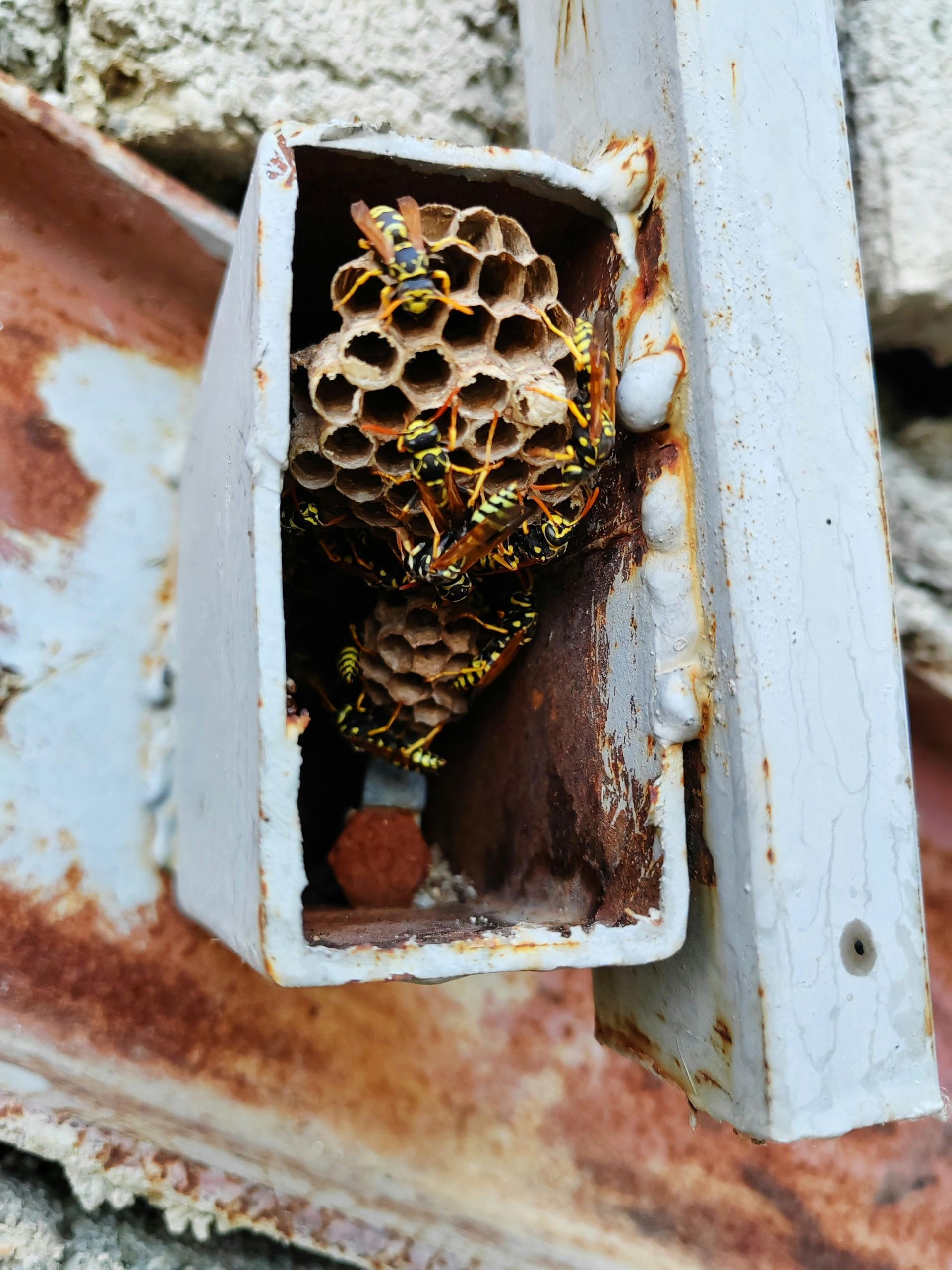
Finding wasps gathering on your porch can be alarming, especially if you have children, pets, or guests who regularly use the space. Wasps often search for safe, sheltered areas during warm months, and porches offer shade, structure, and access to food or moisture. Even a few wasps can be a sign that a nest may be forming nearby. Understanding why they are gathering and how to respond safely can help stop a problem before it becomes dangerous.
This guide explains what to do if you notice wasps building up around your porch, what steps to take immediately, and how to prevent future gatherings.
Why Wasps Gather on Porches
Wasps are motivated by three main needs: food, water, and shelter. Porches frequently provide all three.
Common attractants include:
- Sweet drinks or food spills
- Outdoor trash bins
- Flowering plants near the porch
- Open gaps under railings or eaves
- Moisture from leaks or humidity
- Insect populations that serve as food
- Wooden structures that provide building material
Porches are also partially enclosed, giving wasps a safe and protected place to rest or build a nest.
Step 1: Stay Calm and Avoid Swatting
When wasps appear on your porch, your first reaction may be to swat them away. Avoid doing this. Swatting or waving your arms makes wasps feel threatened, which can lead to aggressive behavior and stings.
Instead:
- Remain calm
- Move slowly away
- Keep pets and children indoors
- Avoid sudden movements
This keeps everyone safe until you can assess the situation.
Step 2: Look for Signs of a Nest Forming
Wasps rarely gather without a purpose. If they are repeatedly visiting the same porch area, a nest may already be forming or being scouted.
Check for nests in:
- Porch ceilings
- Under railings
- Behind shutters
- Inside light fixtures
- Under patio furniture
- Behind outdoor speakers
- In eaves or rooflines
- On support beams
Early nests are small, often the size of a golf ball, but they can grow rapidly.
Step 3: Remove Food and Moisture Sources
Wasps are highly attracted to anything sweet, sugary, or protein-rich.
Remove attractants by:
- Cleaning up drink spills immediately
- Bringing in pet bowls
- Removing trash from the porch
- Using sealed outdoor trash bins
- Keeping grill areas clean
- Fixing leaking faucets
- Removing ripe fruit from nearby trees
The cleaner your porch is, the less appealing it becomes.
Step 4: Reduce Nesting Spots
Wasps look for sheltered areas with structural support. Making your porch less hospitable can stop them from settling.
Prevent nesting by:
- Sealing gaps in wood
- Repairing damaged siding
- Filling cracks in railings
- Repainting exposed wood
- Installing mesh under the roof eaves
- Closing openings in outdoor furniture
These small changes discourage wasps from choosing your porch.
Step 5: Use Natural Wasp Deterrents
Natural deterrents help reduce casual wasp activity around porches.
Effective options include:
- Peppermint oil spray around porch corners
- Cinnamon or clove essential oils
- Hanging decoy nests to discourage new colonies
- Vinegar and water sprays for railings
- Using fans to disrupt flight paths
Natural repellents work best as preventive measures, not for existing nests.
Step 6: Avoid DIY Nest Removal
Removing a nest on your own is dangerous. Wasps defend their nests aggressively, especially when disturbed. DIY sprays, knocking down nests, or using water hoses can lead to painful stings and cause wasps to scatter.
DIY removal is especially risky if:
- The nest is large
- The nest is high off the ground
- The nest is hidden in a structural area
- You are allergic to stings
- Wasps are already showing aggression
Professional removal is the safest option.
Step 7: Schedule a Professional Wasp Inspection
Even small nests can grow into large colonies within weeks. If you see wasps gathering repeatedly, contact a professional for inspection and safe removal.
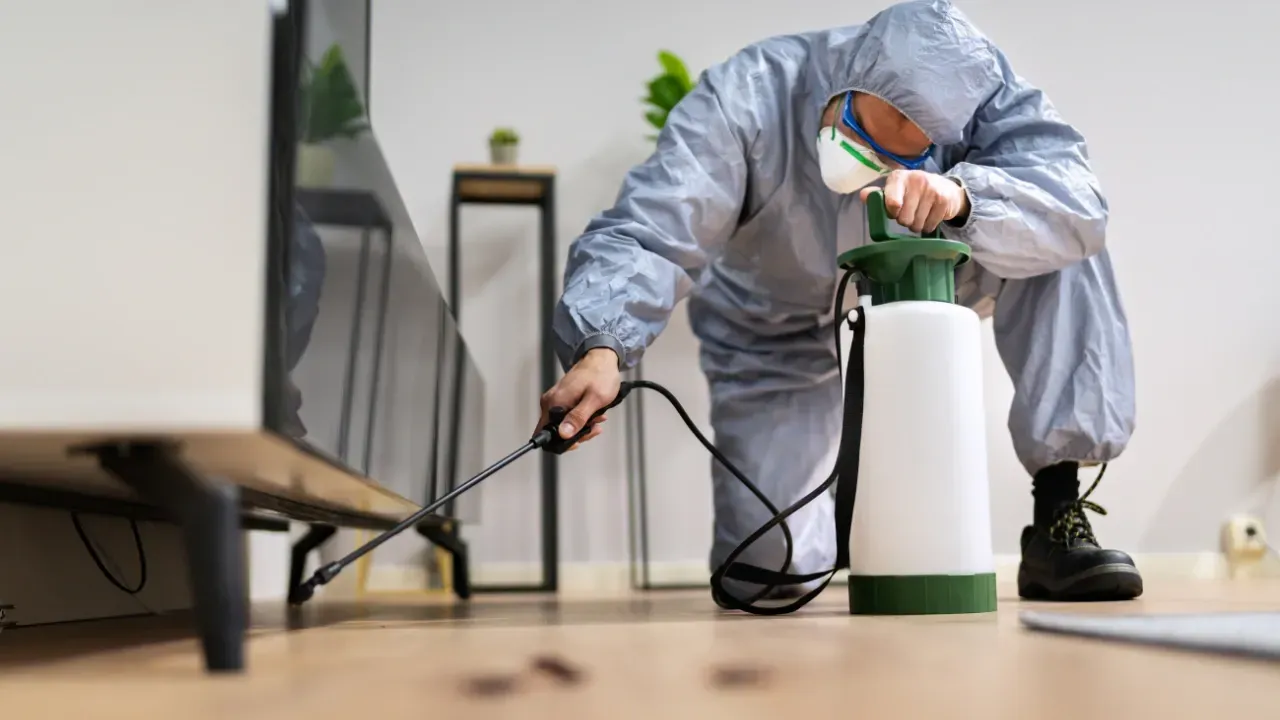
Professionals can:
- Identify the wasp species
- Locate hidden nests
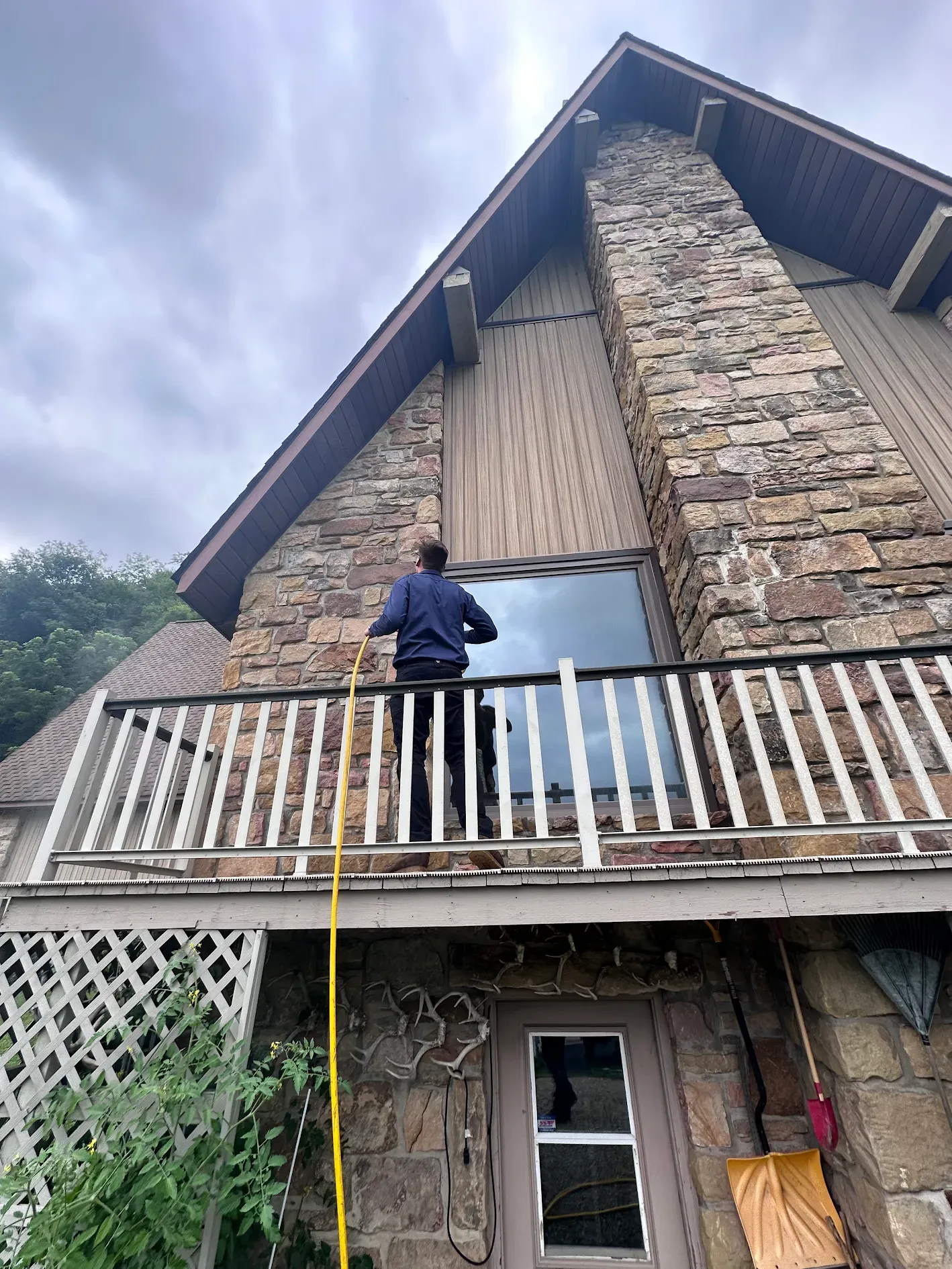
- Remove nests safely
- Apply treatments that prevent new colonies
- Seal access points around the porch
- Treat areas where wasps commonly return
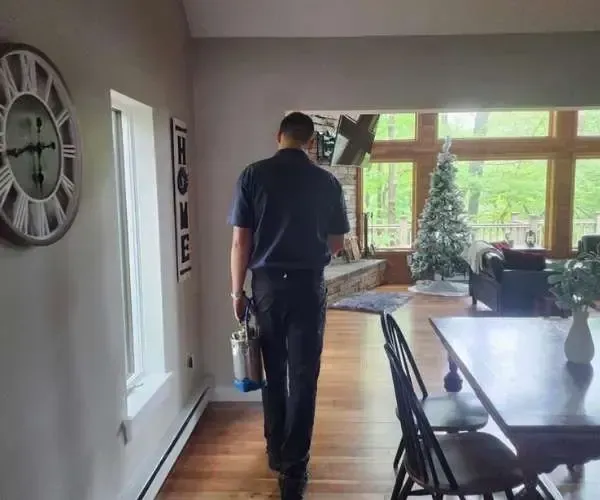
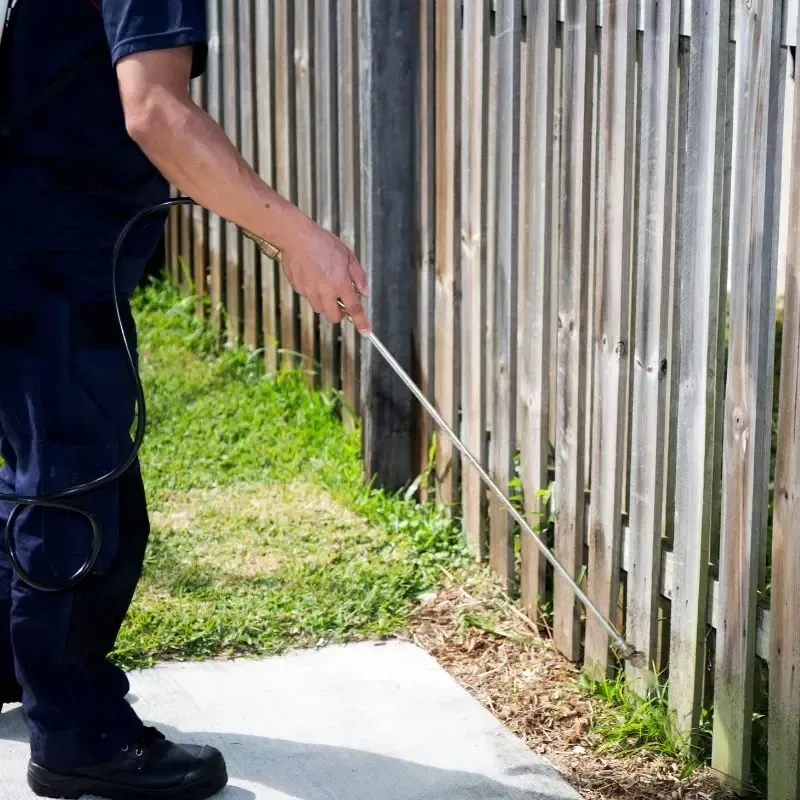
Companies like Protective Pest Management use safe, effective removal techniques designed to protect your family and home.
Why Wasps Choose Porches Over Other Areas
Porches offer a unique combination of shelter and access that other outdoor spaces may not.
Wasps prefer porches because:
- They provide overhead protection from the weather
- Food smells drift toward them during summer gatherings
- The structure is perfect for attaching nests
- Porch lighting attracts insects, making feeding easier
- Moisture collects in shaded areas
Once wasps find a suitable location, they often return year after year unless the area is treated.
Long-Term Prevention Tips for Wasps
To avoid repeat wasp problems, incorporate these habits into your regular porch maintenance:
Keep your porch clean
Sweeping regularly and wiping spills makes a noticeable difference.
Use tight-fitting trash lids
Trash bins are major attractants for summer wasps.
Seal all entry gaps
Gaps between beams or loose siding offer perfect nesting spots.
Maintain outdoor lighting
Consider using yellow bug lights to reduce insect activity.
Treat wood surfaces
Wasps chew wood to make paper nests, so sealed wood is less attractive.
Trim vegetation
Bushes and flowering plants near porches increase wasp traffic.
Consistency is key for long-term prevention.
People Also Ask
Are wasps dangerous?
Yes. Wasps can sting multiple times and are more aggressive when defending nests.
Why do wasps return to the same spot?
Wasps use scent trails to return to familiar nesting areas.
Can wasps enter homes from porches?
Yes. They may enter through open doors, gaps, or attic vents.
Do wasps go away at night?
Wasps are less active at night, but nests remain fully occupied.
FAQ Section
Should I knock down a small nest myself?
No. Even small nests can cause aggressive behavior. Professional removal is safest.
How fast can a wasp nest grow?
A nest can grow from golf-ball size to dozens of wasps in a few weeks.
What scent keeps wasps away?
Peppermint, clove, and lemongrass oils are effective natural deterrents.
Are wasps more active in summer?
Yes. Peak activity occurs during late spring through early fall.
Will sealing cracks prevent wasps?
Yes. Closing gaps removes common nesting spots around your porch.
Call for a Free Quote
If wasps are gathering on your porch, acting quickly keeps your family safe and prevents a larger infestation. Call
Protective Pest Management today at
(814) 244-0067 or fill out our
online form to request a free quote. Our team removes wasp nests safely and provides treatments that stop wasps from returning.

Share This