What Should I Do if Mice Are Entering My Garage?
AI Summary
- Mice enter garages in search of warmth, food, and shelter, especially during colder months or seasonal weather changes.
- Identifying entry points and removing attractants are the most important steps to stop mice from returning.
- Proper sealing, cleaning, and targeted trapping methods are highly effective for controlling garage infestations.
- Professional help is recommended if mice are nesting, spreading droppings, or entering the home from the garage.
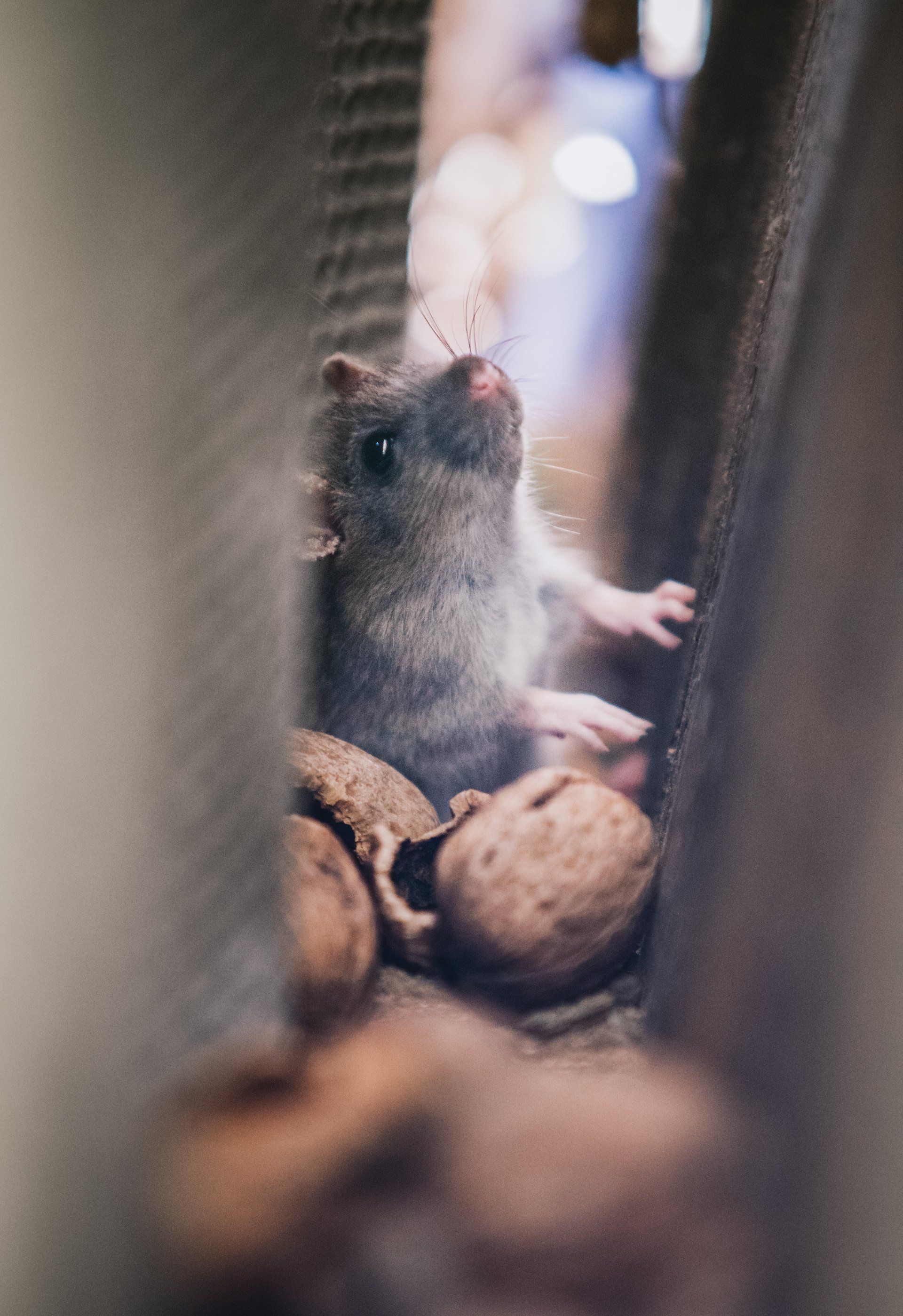
Finding mice inside your garage can be surprising and stressful, especially when you start seeing droppings, gnaw marks, or hear scratching noises at night. Garages are one of the most common entry areas for rodents because they offer warmth, shelter, and easy access to food sources. If mice are entering your garage, taking action right away is important. Left untreated, they can spread to basements, kitchens, attics, and other areas of your home.
This guide explains why mice choose garages, what signs to look for, and exactly what steps you should take to stop them and protect your home long-term.
Why Mice Enter Garages in the First Place
Mice are opportunistic and look for three main things: warmth, food, and safety. Garages often provide all three.
Common reasons mice enter garages include:
- Gaps under garage doors
- Cracks in foundation walls
- Holes near utility lines
- Unsealed vents
- Clutter that offers hiding spots
- Pet food or birdseed stored inside
- Trash bins or recycling containers
- Stored items that mice can nest in
Because garages are used daily and often left open, it is easy for mice to slip in unnoticed.
Signs Mice Are Already in Your Garage
If mice are entering your garage, they will leave evidence behind. Look for these common signs:
Droppings
Small, rice-shaped droppings are the most obvious indicator of rodent activity.
Gnaw Marks
Mice chew on:
- Boxes
- Wires
- Plastic bins
- Stored items
- Insulation
Gnawing helps them keep their teeth trimmed and create nesting materials.
Scratching Noises
You may hear movement at night when the garage is quiet.
Nesting Materials
Look for shredded paper, cardboard, fabric, or insulation in corners.
Footprints or Tail Marks
Dusty garage floors often reveal rodent footprints or tail lines.
Strong Odor
A musky smell indicates urine buildup from frequent activity.
If mice are in your garage, early intervention helps prevent a larger infestation.
Step 1: Identify Entry-Points
The first and most important step is finding out how mice are getting inside. Mice can squeeze through openings as small as a dime, so even tiny gaps matter.
Check for openings around:
- Garage door seals
- Corners of the garage door frame
- Foundation cracks
- Gaps where siding meets the slab
- Vents and utility openings
- Holes around pipes and wiring
Use a flashlight to look for small holes and chew marks.
Focus on the Garage Door
Most mouse entry happens under or along the sides of the garage door. If the rubber seal is damaged or missing, mice can slip under easily. Check your:
- Bottom rubber seal
- Side weatherstripping
- Threshold alignment
If you can see daylight under the door, mice can get in.
Step 2: Seal All Gaps and Openings
Once you identify entry points, seal them right away. Use materials that mice cannot chew through.
Recommended materials include:
- Steel wool
- Metal mesh
- Copper mesh
- Concrete patch
- Silicone caulk
- Weatherstripping
- Door sweeps
Avoid foam-only repairs. Mice can chew through foam in minutes.
Proper sealing prevents new mice from entering and is one of the strongest long-term solutions.
Step 3: Remove Anything That Attracts Mice
Garages often contain food sources without homeowners realizing it.
Remove or securely store:
- Pet food
- Birdseed
- Grass seed
- Snacks stored in cars
- Food garbage
- Unsealed pantry items
Keep all food in airtight, rodent-proof containers made from metal or thick plastic.
Declutter the Garage
Clutter gives mice hiding spots. Remove:
- Piles of cardboard
- Old boxes
- Forgotten bags
- Fabric piles
- Stacked newspapers
The less clutter, the fewer nesting areas mice can use.
Step 4: Set Up Effective Traps
Trapping is an important step when mice are already inside. Choose traps based on your comfort level and the extent of the infestation.
Common trap options include:
- Snap traps
- Electric traps
- Covered snap traps (kid and pet-safe)
- Multi-catch live traps
Place traps along walls, behind storage bins, and near entry points. Mice naturally run along edges, not open floors.
Avoid glue traps. They are less effective and not humane.
Step 5: Maintain a Clean Garage Environment
A clean, organized garage makes it difficult for mice to thrive. Good maintenance habits include:
- Sweeping floors weekly
- Removing dust and debris
- Storing items in sealed bins
- Using shelving instead of floor storage
- Keeping trash cans sealed
- Removing clutter promptly
Consistent cleaning helps you spot new activity early.
Step 6: Address Exterior Conditions
Sometimes the problem begins outside the garage. Reduce yard attractants by:
- Cutting tall grass
- Removing yard clutter
- Sealing exterior trash cans
- Moving firewood at least 20 feet away
- Repairing gaps in siding
- Removing debris piles
Maintaining a clean perimeter around your home greatly reduces rodent activity.
Step 7: Call a Professional if Activity Continues
While mild mouse activity can sometimes be managed with DIY steps, recurring or widespread activity requires professional help. Mice breed quickly, hide well, and enter through multiple points.
Professional rodent control identifies:
- Hidden nests
- Multiple entry-points
- Structural vulnerabilities
- Food sources
- Signs of damage
Companies like Protective Pest Management use safe, effective trapping and sealing methods that eliminate current rodents and prevent new ones from entering.
If mice are entering your garage regularly, or if you believe they have reached your basement, attic, or walls, professional intervention is highly recommended.
People Also Ask
Why do mice prefer garages?
Garages offer warmth, shelter, food sources, and easy entry points.
Will mice leave on their own?
No. Once mice find food or shelter, they typically stay and breed.
Can a mouse infestation start in a garage?
Yes. Garages are one of the most common starting points before mice move indoors.
Do ultrasonic devices work for garages?
No. Studies show they are ineffective at repelling rodents.
FAQ Section
How many mice are usually in a garage?
If you see one mouse, there are often several more. Mice rarely travel alone.
How fast can mice reproduce?
A single female can produce dozens of offspring in a year, making fast action important.
Should I leave the garage door closed more often?
Yes. Open garage doors invite rodents, especially at night.
Can mice chew through plastic bins?
Thin plastic can be chewed. Use thick plastic or metal containers.
Will sealing holes trap mice inside?
If mice are inside, seal all outer gaps but leave an interior trap plan in place.
Call for a Free Quote
If mice are entering your garage, taking action quickly helps prevent damage and stops them from spreading indoors. Call
Protective Pest Management today at
(814) 244-0067 or fill out our
online form to request a free quote. Our team uses proven, family-safe methods to eliminate mice and protect your home long-term.

Share This