Which Bed Bug Treatment Method Works the Best?
AI Summary
- Heat treatments are widely considered the most effective method for eliminating bed bugs because they kill all life stages in a single treatment.
- Chemical treatments, steam, encasements, and integrated plans can also work, but success depends on infestation size and preparation.
- DIY methods rarely solve full infestations since bed bugs hide deep in cracks, seams, and furniture joints.
- Professional bed bug control provides long-term results by combining heat, targeted chemicals, and thorough inspections.
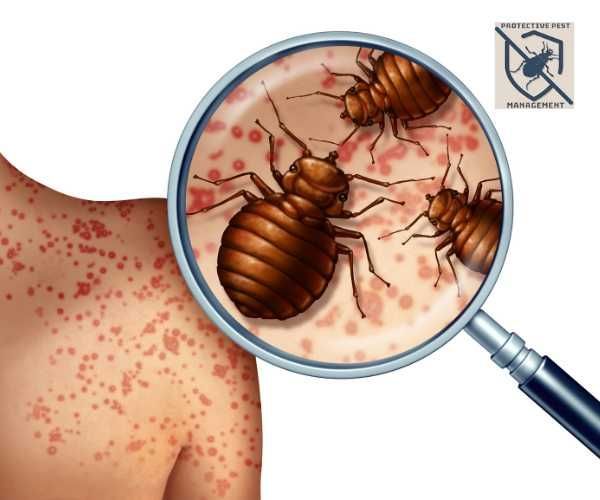
Bed bugs are one of the most persistent and dreaded household pests. Once they enter a home, they spread quickly through bedrooms, furniture, and even wall voids. Because they reproduce rapidly and stay hidden during the day, many homeowners struggle to eliminate them without professional help. One of the most common questions is simple but important: which bed bug treatment method works the best?
This guide breaks down the most effective bed bug treatment methods used today, how each one works, and which method provides the strongest, most reliable long-term results.
Why Bed Bug Removal Is So Challenging
Bed bugs are not like typical household pests. They have unique behaviors and survival abilities that make them extremely difficult to eliminate.
Bed bugs are difficult because:
- They hide in tiny cracks and seams
- They can survive months without feeding
- Eggs are tough and resistant to many treatments
- They spread easily between rooms
- They are becoming resistant to some chemicals
- They often avoid areas treated with DIY sprays
For these reasons, the best treatment method must reach every hiding place and kill eggs, nymphs, and adults.
Treatment Method 1: Heat Treatment (The Most Effective Option)
Heat treatment is widely considered the best overall method for eliminating bed bugs. Professional heat systems raise room temperatures to 120 to 140 degrees and hold them long enough to kill all stages of bed bugs.
Why Heat Treatment Works So Well
- Kills adults, nymphs, and eggs
- Penetrates deep into furniture, walls, and mattresses
- Works in a single treatment
- No chemical exposure
- Safe for families and pets
- Reaches hiding spots, sprays cannot
Heat treatment is effective because bed bugs cannot survive high temperatures. Professionals use industrial heaters, fans, and sensors to ensure even heating throughout the space.
When Heat Treatment Is Recommended
- Moderate to severe infestations
- Infestations spread through multiple rooms
- Homes where rapid results are needed
- Cases with chemical resistance
Heat is the top choice when homeowners want the fastest and most reliable solution.
Treatment Method 2: Chemical Treatments
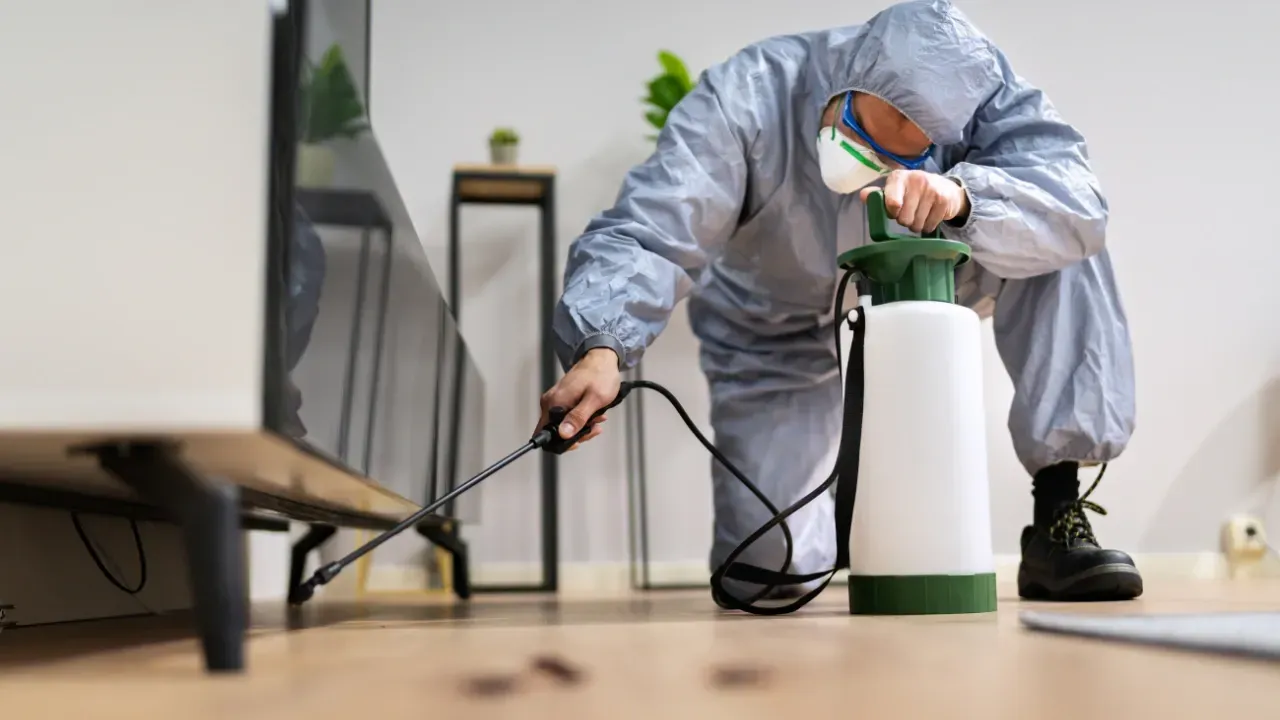
Chemical treatments can also eliminate bed bugs when applied correctly. Professional insecticides are stronger and more targeted than store-bought sprays.
Types of Chemical Treatments
Professionals use:
- Residual insecticides
- Insect growth regulators
- Dust formulations for wall voids
- Targeted crack and crevice treatments
Chemical treatments work best when combined with heat, steam, or vacuuming.
Pros
- Effective with repeated applications
- Targets hidden cracks and outlets
- Offers long-term residual protection
Cons
- Eggs may survive and require retreatment
- Requires multiple visits
- Less effective when bed bugs develop resistance
Chemical treatments are effective but slower than heat treatment.
Treatment Method 3: Steam Treatments
Steam treatments are a strong chemical-free option for killing bed bugs on contact. High-temperature steam penetrates fabrics and cracks, killing bed bugs and eggs.
Steam works best for:
- Mattresses and box springs
- Sofa seams
- Baseboards
- Bed frames
- Carpet edges
- Upholstered furniture
Pros
- Chemical-free
- Effective for targeted areas
- Kills eggs with proper application
Cons
- Slow application process
- Does not provide long-term protection
- Requires repeated sessions
Steam is excellent as part of an integrated treatment plan, but not ideal as a standalone method for large infestations.
Treatment Method 4: Vacuuming and Physical Removal
Vacuuming removes many visible bed bugs and eggs. It is not a full treatment, but it is very helpful for population reduction.
Effective vacuuming requires:
- Crevice attachments
- HEPA filters
- Careful disposal of vacuum bags
Vacuuming is best used before heat or chemical treatment.
Treatment Method 5: Mattress and Box Spring Encasements
Encasements trap bed bugs inside mattresses or box springs. While they do not kill bed bugs immediately, they prevent feeding and spreading.
Encasements provide:
- Long-term protection
- Removal of hiding areas
- Easier inspections
- Prevention of mattress reinfestation
Encasements must be high-quality and remain sealed for at least one year.
Treatment Method 6: Diatomaceous Earth and Natural Dusts
Diatomaceous earth works by dehydrating bed bugs. It is frequently used in baseboards, wall voids, and hidden cracks.
Pros
- Natural and safe
- Affordable
- Helpful in integrated plans
Cons
- Slow acting
- Ineffective alone
- Must be reapplied consistently
This method supports other treatments but cannot eliminate infestations alone.
Treatment Method 7: DIY Treatments (Least Effective)
DIY sprays, foggers, and essential-oil products rarely eliminate bed bugs. In many cases, DIY attempts make infestations worse by scattering bed bugs into new hiding areas.
Why DIY Fails
- Sprays do not reach deep hiding spots
- Bed bugs develop chemical resistance
- Foggers push bugs deeper into walls
- Store products cannot kill eggs reliably
DIY efforts may help reduce small populations temporarily, but almost never eliminate them fully.
Which Treatment Method Works the Best?
The Best Overall Method: Heat Treatment
Heat treatment is the most effective, reliable, and fast bed bug removal method available today. It kills all life stages, reaches hidden areas, and eliminates infestations in a single treatment. Chemical and steam treatments can be highly effective but require multiple visits and careful follow-up.
The Best Long-Term Strategy: Integrated Pest Management
Professionals often combine multiple methods to achieve complete elimination. This approach may include:
- Heat treatment
- Targeted chemical barriers
- Steam applications
- Vacuuming
- Encasements
- Monitoring
This comprehensive approach provides the highest success rate and prevents reinfestation.
People Also Ask
Can bed bugs survive heat treatment?
No. When temperatures are maintained above 120 degrees, bed bugs and eggs cannot survive.
Are chemical treatments still effective?
Yes, but multiple applications are often needed because eggs may survive the first treatment.
Is steam effective for bed bugs?
Yes, but it must be applied slowly and repeatedly to reach full effectiveness.
Do bed bugs come back after treatment?
They can if entry points are not eliminated or if treatment is incomplete.
FAQ Section
How long does heat treatment take?
Most treatments take 4 to 8 hours, depending on the home size.
Do I have to throw away furniture?
Usually no. Heat and steam can treat most furniture safely.
Are bed bug treatments safe for kids and pets?
Professional treatments use safe, controlled methods designed for family environments.
How long will chemical treatments continue working?
Residual chemicals can last weeks or months, depending on the product.
How can I make sure bed bugs do not come back?
Use encasements, reduce clutter, inspect bedding, and schedule follow-up inspections.
Call for a Free Quote
The best bed bug treatment depends on the size and location of the infestation, but heat treatment remains the most effective option for fast, complete elimination. Call
Protective Pest Management today at
(814) 244-0067 or fill out our
online form to request a free quote. Our experienced team will help you choose the most effective treatment to restore comfort and safety in your home.

Share This