What Home Pest Control Options Work Best Today?
AI Summary
- Modern pest control combines prevention, safe treatments, and targeted solutions to stop pests effectively.
- The best home pest control options include barrier treatments, entry-point sealing, moisture control, eco-friendly solutions, and professional inspections.
- DIY methods help with small issues, but professional services provide long-term protection for ants, rodents, spiders, roaches, bed bugs, and wasps.
- Routine pest monitoring prevents hidden infestations and reduces health risks for families.
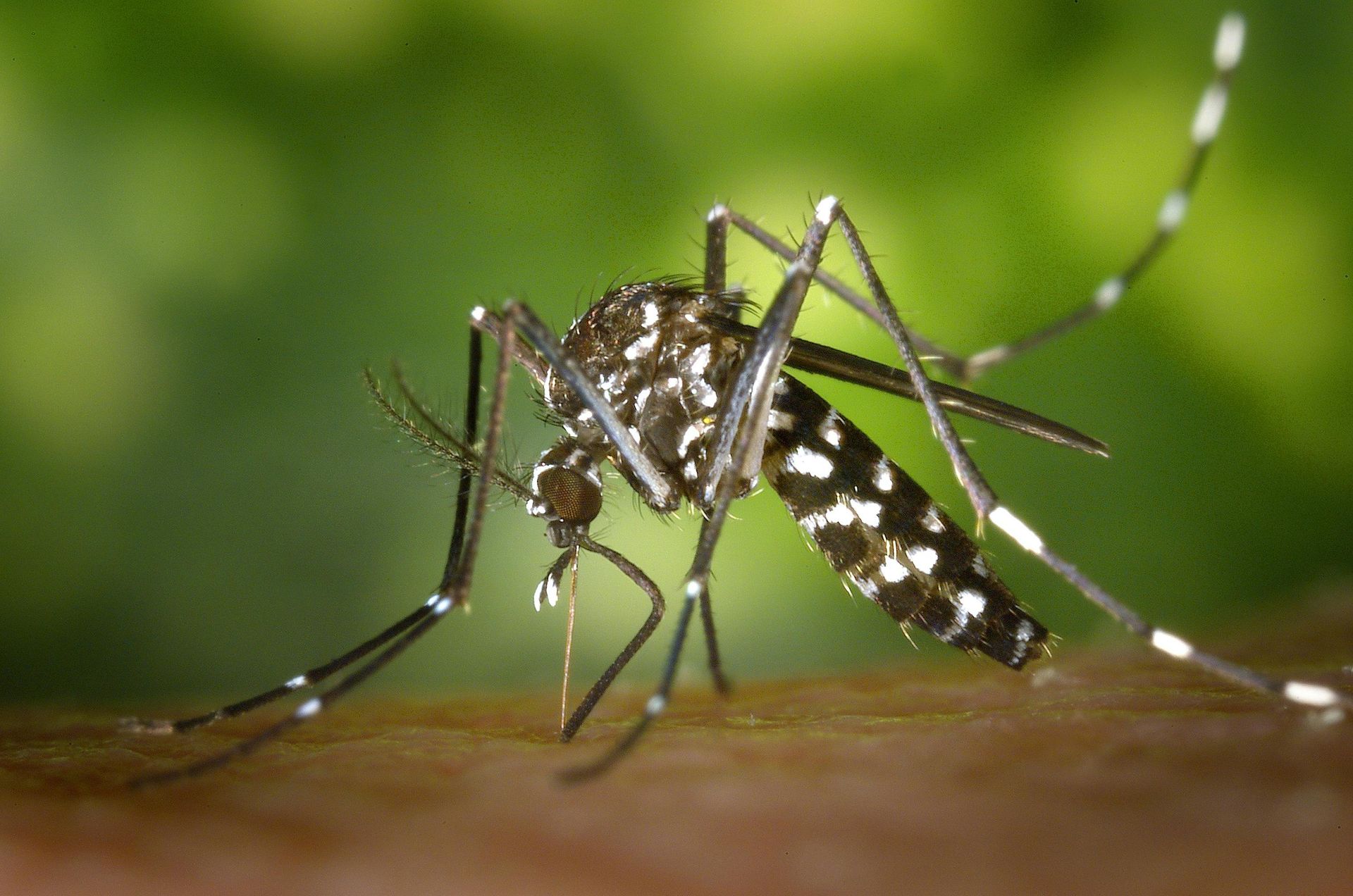
Pest problems look very different today than they did years ago. With changing weather patterns, increased moisture, and more active pest seasons, homeowners need reliable solutions that actually prevent pests from entering and settling inside. Whether you are dealing with ants in the kitchen, spiders in the basement, mice in the garage, or mosquitoes in the yard, the right combination of pest control options can make your home safer and more comfortable.
This guide breaks down the best home pest control options available today, how they work, and when to choose professional services.
Why Modern Pest Control Needs a Layered Approach
Years ago, many homeowners relied solely on sprays to stop pests. Today, pests are smarter, more adaptive, and better at hiding. That means the best pest control strategies use multiple layers, including:
- Prevention
- Sealing
- Monitoring
- Eco-friendly treatments
- Professional support
A layered approach eliminates current pests and prevents new ones from entering, making it the most effective long-term solution.
Option 1: Seal Entry-Points to Block Pests Before They Enter
Sealing entry points is one of the most effective pest control methods available today. Insects and rodents squeeze through tiny gaps that homeowners often overlook.
Common entry areas include:
- Gaps under doors
- Window frame cracks
- Utility line penetrations
- Crawlspace vents
- Foundation cracks
- Garage door seals
- Roofline openings
Use materials such as:
- Silicone caulk
- Steel wool
- Copper mesh
- Weatherstripping
- Door sweeps
- Metal flashing
Sealing these gaps drastically reduces ants, spiders, rodents, and other crawling pests.
Option 2: Routine Prevention Treatments
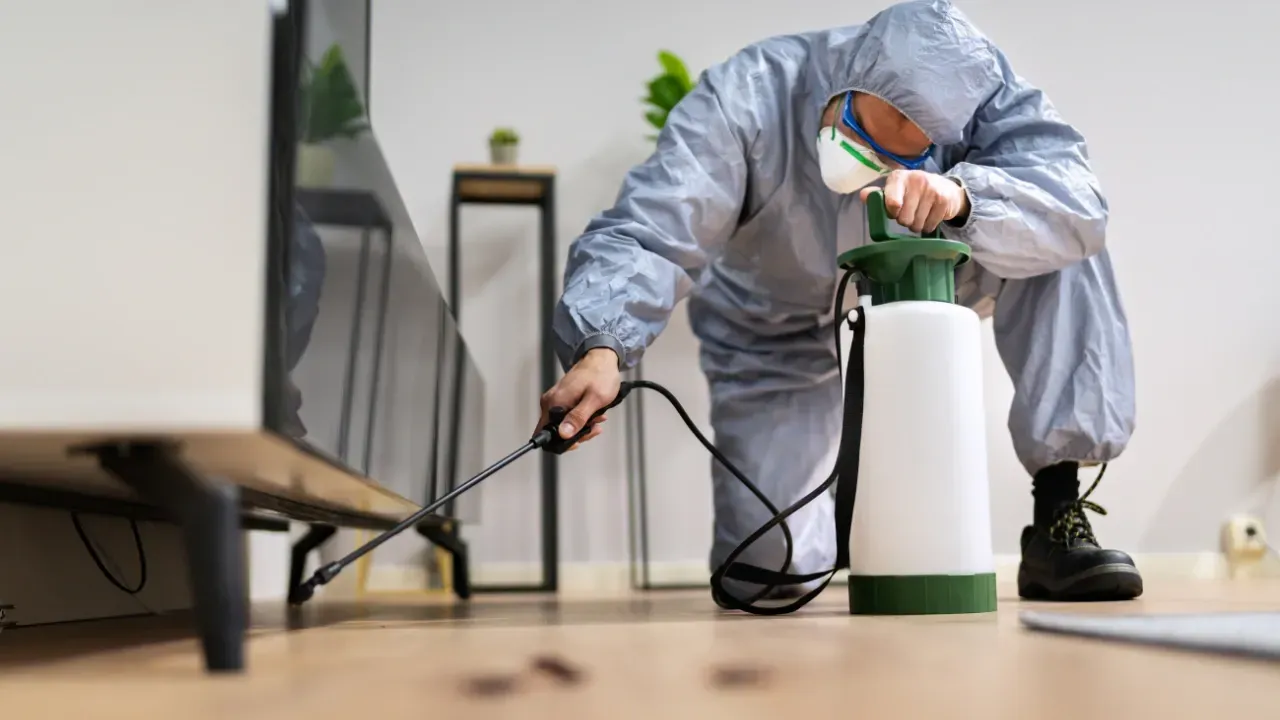
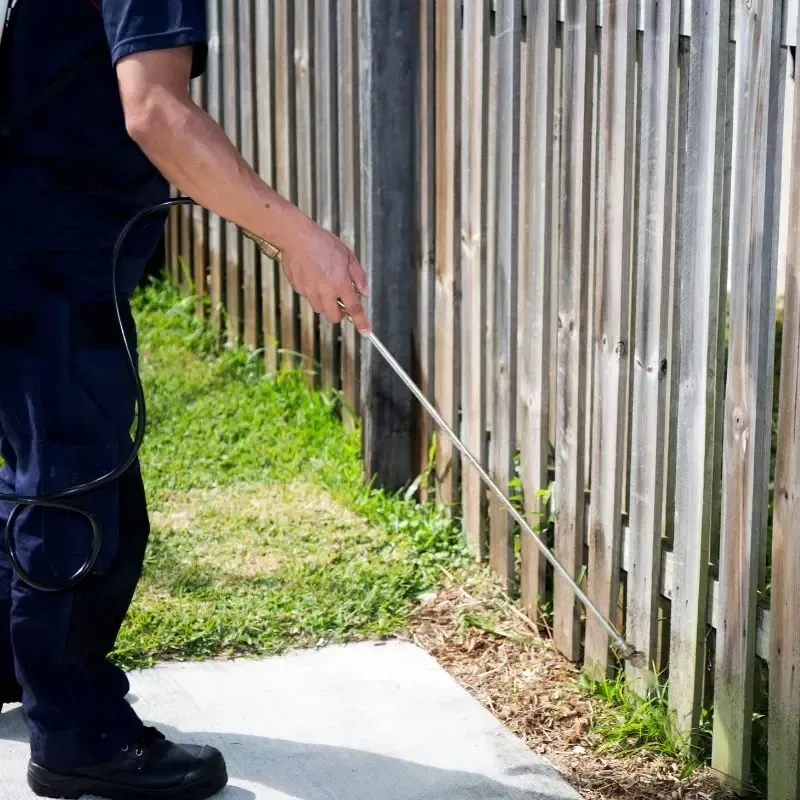
Prevention treatments create a protective barrier around your home to keep pests from entering. These treatments target common pests, including ants, spiders, wasps, roaches, and earwigs.
Benefits include:
- Reducing indoor pests
- Blocking new infestations
- Protecting walls, basements, and attics
- Treating high-risk areas like entryways and foundation soil
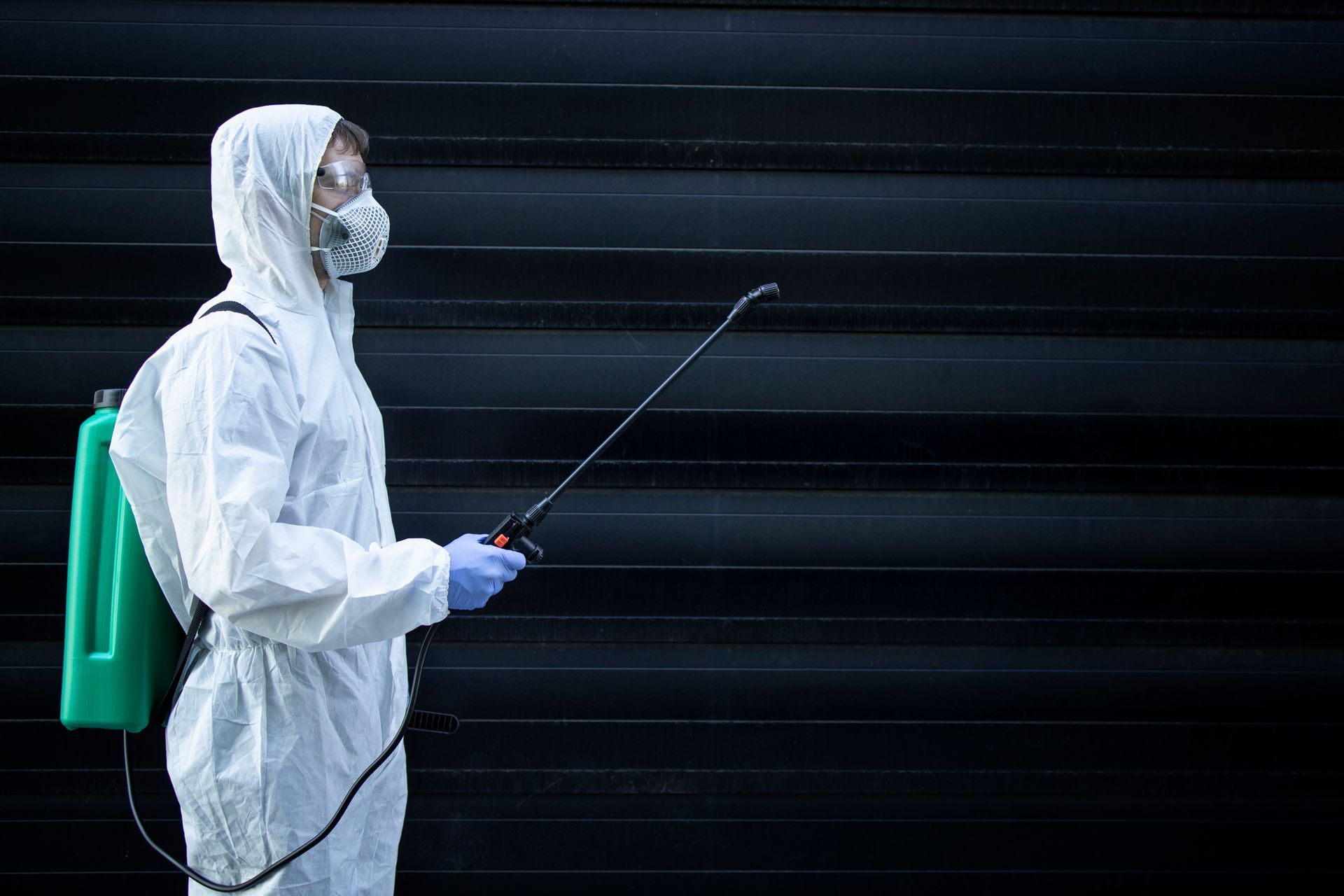
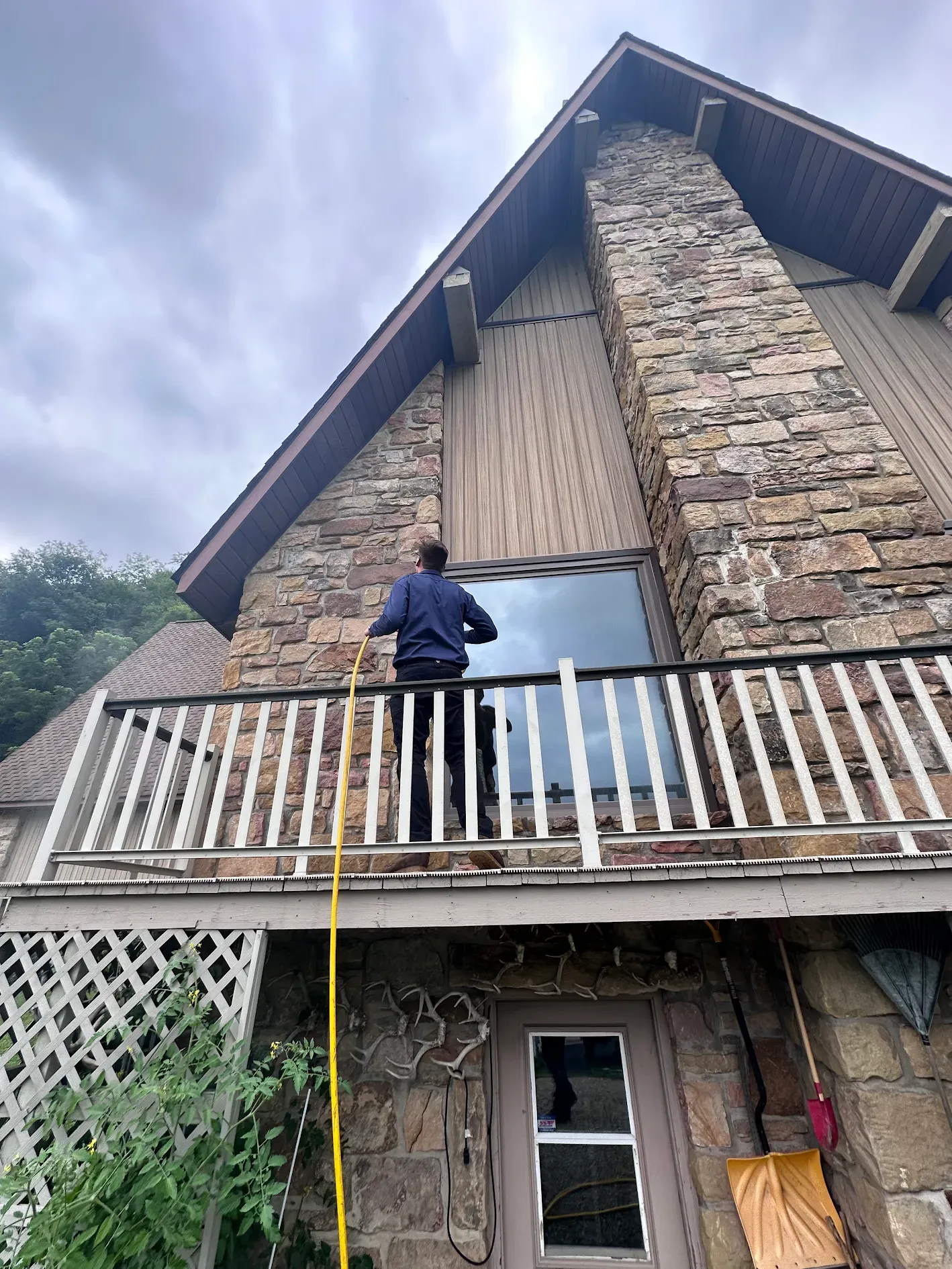
Professionals use targeted, low-toxicity formulas that are safe for families and pets.
Option 3: Moisture Control and Home Maintenance
Many pests thrive in damp environments. Moisture issues increase the risk of ants, centipedes, roaches, and rodents.
Important moisture control steps include:
- Fixing leaky faucets
- Repairing gutters
- Improving basement ventilation
- Running dehumidifiers
- Clearing yard drainage areas
- Redirecting downspouts
A dry home is naturally less attractive to pests.
Option 4: Yard Maintenance and Mosquito Reduction
Your yard plays a major role in how many pests reach your home. Tall grass, leaf piles, and standing water increase pest activity.
Maintain your yard by:
- Cutting grass weekly
- Trimming bushes away from the home
- Removing clutter and debris
- Clearing gutters
- Eliminating standing water
- Refreshing mulch carefully
These steps reduce mosquitoes, ticks, spiders, ants, and rodents.
Option 5: Eco-Friendly and Low-Toxicity Treatments
Families today want pest control that is effective but also safe. Thankfully, modern pest control products are far safer than older chemical formulas.
Eco-friendly options include:
- Botanical-based sprays
- Insect growth regulators
- Targeted granular treatments
- Essential-oil repellents
- Low-toxicity perimeter barriers
These options reduce risk while providing strong pest protection.
Option 6: Trapping and Monitoring for Rodents
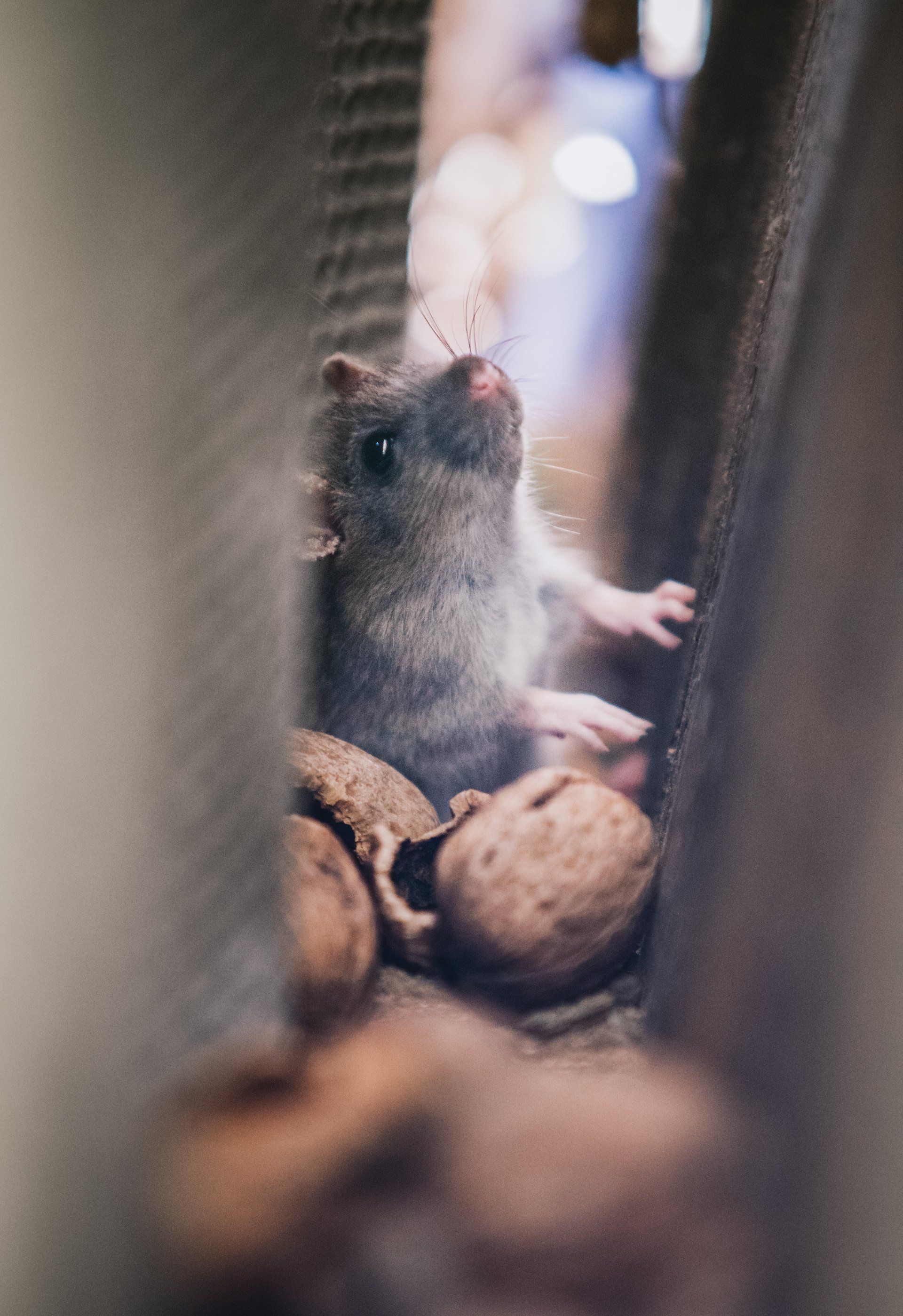
Rodent control is essential because mice and rats cause structural damage and health risks. Modern rodent control uses monitoring stations and targeted trapping to identify and eliminate rodents safely.
Monitoring stations help detect:
- Rodent entry
- Nesting areas
- Chewing activity
- Movement patterns
Traps and sealing work together to stop current and future rodent activity.
Option 7: Home Sanitation and Food Protection
Cleanliness plays a major role in preventing pests like ants, roaches, and rodents.
Key sanitation practices include:
- Cleaning crumbs after meals
- Sealing pantry foods
- Using airtight pet food containers
- Taking out trash regularly
- Sweeping under appliances
- Cleaning drains and sinks
A clean home offers fewer food sources for pests.
Option 8: Professional Seasonal Pest Control
Seasonal pest patterns shift throughout the year. Professionals understand when specific pests are most active and apply treatments accordingly.
For example:
- Spring ants and carpenter bees
- Summer mosquitoes, spiders, and wasps
- Fall rodents seeking warmth
- Winter pests sheltering indoors
Seasonal treatments offer strong, consistent protection during peak pest activity.
Option 9: Heat or Specialized Treatments for Difficult Pests
Some pests require specialized methods.
These include:
- Bed bugs
- Termites
- Carpenter ants
- Large wasp colonies
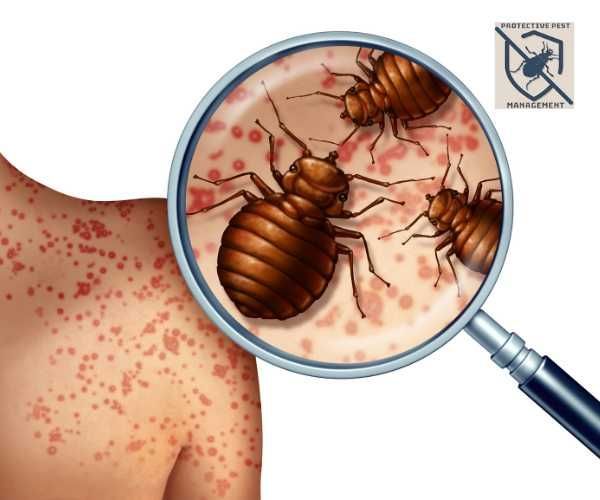
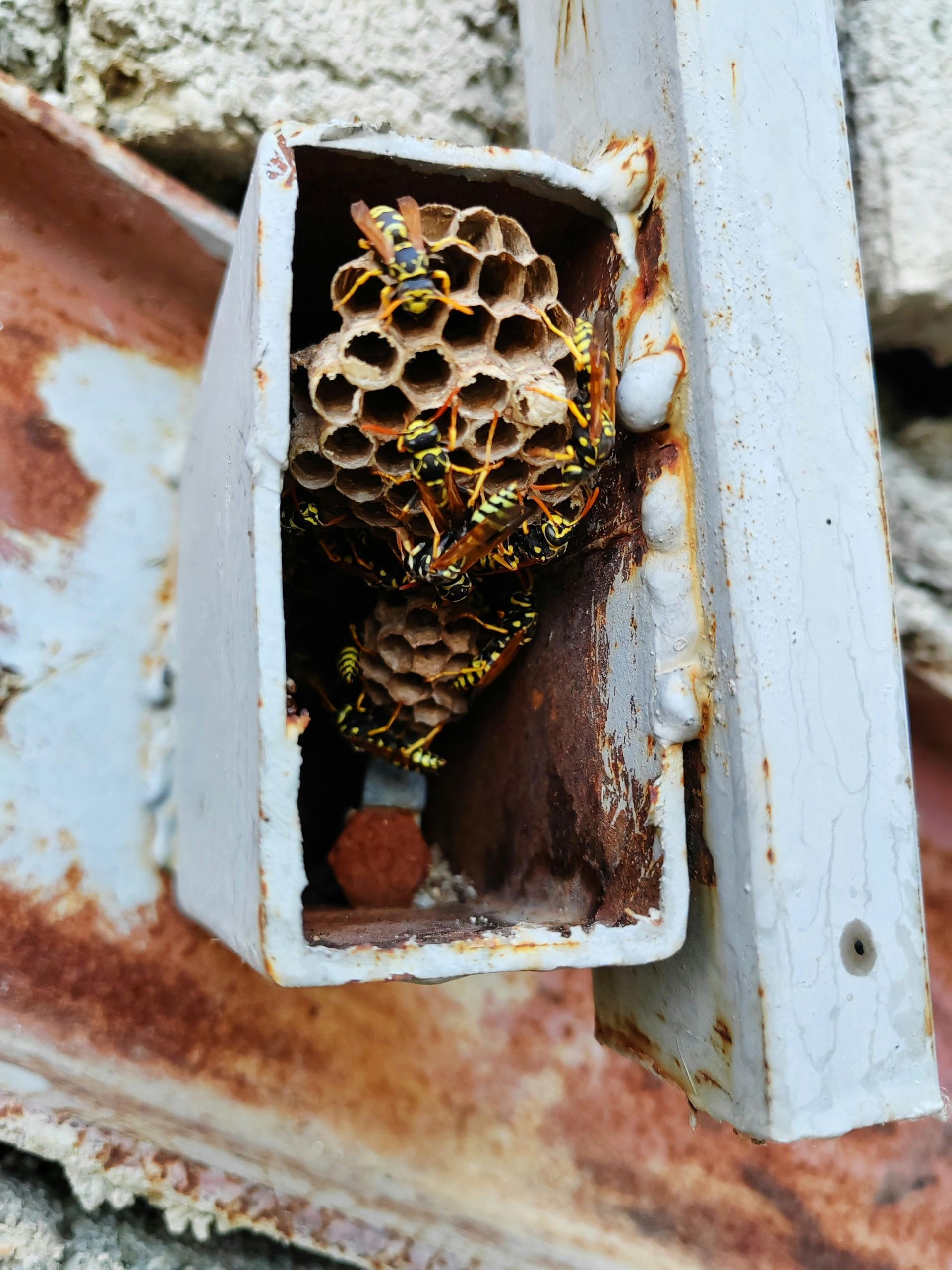
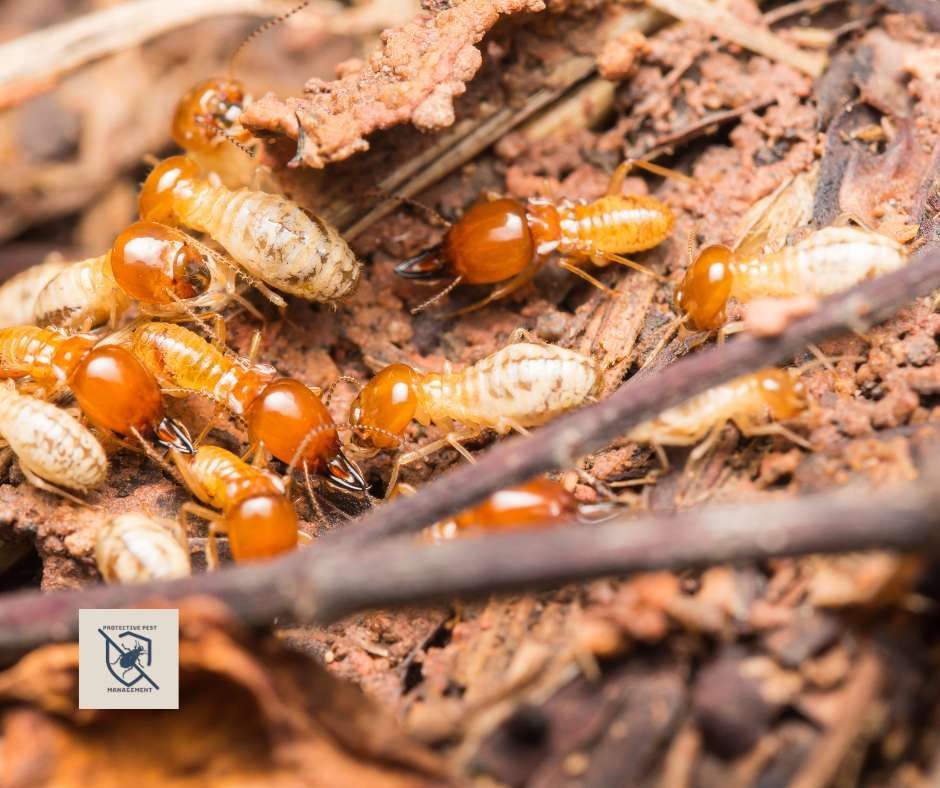
DIY products often fail for these pests. Professional treatments such as heat, foam injections, or bait systems are far more effective.
Option 10: Full Home Pest Protection Plans
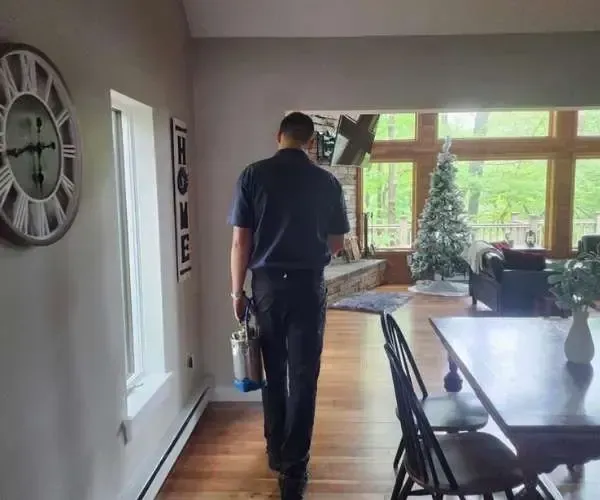
Many homeowners prefer a comprehensive plan that includes scheduled visits, inspections, and free callbacks. These plans offer the strongest protection and long-term peace of mind.
Professional plans often include:
- Seasonal treatments
- Entry-point sealing
- Moisture checks
- Monitoring devices
- Yard treatments
- Follow-up visits
Companies like Protective Pest Management design these plans to protect homes year-round.
People Also Ask
What is the most effective home pest control method?
A combination of sealing, prevention treatments, and regular inspections provides the best long-term results.
Are DIY pest control methods enough?
DIY works for minor issues, but established infestations require professional help.
How do I stop pests from entering my home?
Seal gaps, remove food sources, and maintain your yard to reduce pest attraction.
Are today’s pest control products safe?
Yes. Modern treatments use low-toxicity formulas safe for families and pets.
FAQ Section
How often should I treat my home for pests?
Most homes benefit from quarterly treatments or seasonal service.
Can pests still get inside after sealing?
Sealing blocks most entry points, but professional treatments offer added protection.
Do all pests require professional help?
Some pests, like bed bugs, termites, and large rodents, always require experts.
Is eco-friendly pest control effective?
Yes. Modern eco-friendly formulas work well when applied correctly.
Can outdoor pests come inside during summer?
Yes. Heat, humidity, and food sources can drive pests indoors.
Call for a Free Quote
The best home pest control combines prevention, sealing, safe treatments, and expert support. Call
Protective Pest Management today at
(814) 244-0067 or fill out our
online form to request a free quote. Our team provides modern, reliable pest solutions that keep your home protected year-round.

Share This