What Should I Do if I See Termite Swarms Nearby?
AI Summary
- Termite swarms are a major warning sign that a mature colony is expanding and may be looking for new places to nest.
- Seeing swarmers near your home means your property is at risk, even if you do not see active damage yet.
- Avoid disturbing swarmers, inspect for early warning signs, and schedule a professional termite inspection quickly.
- Fast action protects your home from costly wood damage and long-term structural issues.
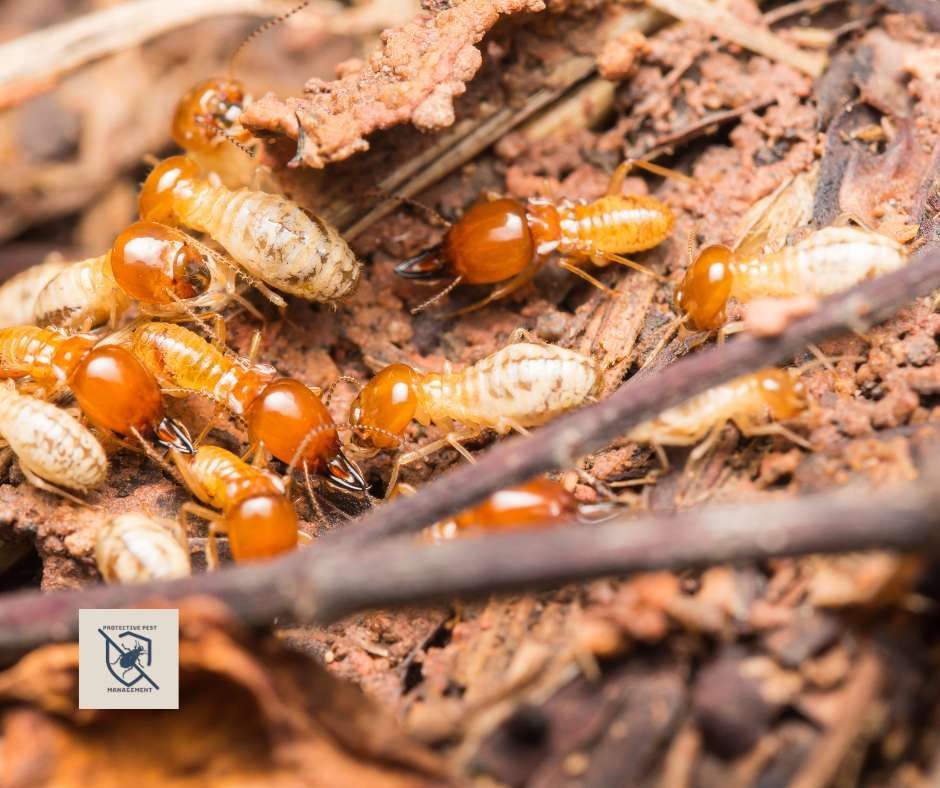
Seeing termite swarmers outside your home can be alarming, especially during spring when swarms occur most often. Swarmers are the winged reproductive termites that leave their colony to form new ones. They are one of the clearest signs that a termite colony is active somewhere nearby. If the swarm is close to your home, it could mean your property is at risk of becoming their next nesting site.
This guide explains what termite swarms really mean, how to respond safely, and why taking quick action can protect your home from serious structural damage.
What Termite Swarms Really Mean
A termite swarm does not happen randomly. It means the colony has grown large enough to produce reproductive termites that are ready to expand.
Swarms occur when:
- A colony is mature
- The weather is warm and humid
- Soil has enough moisture
- Termites detect ideal nesting conditions
If you see swarmers near your home, you may be dealing with:
- A colony in your yard
- A colony beneath your home
- A colony inside your home’s structure
- A nearby outdoor colony is looking for new wood sources
While swarmers themselves do not cause wood damage, the workers and soldiers in the colony do. Swarmers only indicate that the colony is active and searching for new territory.
How to Identify Termite Swarmers
Termite swarmers are often confused with flying ants. Knowing the difference helps you take the right next step.
Termite swarmers have:
- Straight antennae
- Equal-length wings
- Thick waist with no pinching
Flying ants have:
- Bent antennae
- Wings of uneven length
- Narrow pinched waist
If you see insects that resemble flying ants but appear in a large group, it is likely a termite swarm.
Step 1: Do Not Disturb or Spray the Termites
Your first instinct may be to spray swarmers or sweep them away. Avoid this. Termite swarmers are not dangerous to touch, but disturbing them can scatter insects into hidden cracks, making inspection more difficult.
Instead:
- Leave the swarm where it is
- Take clear photos for identification
- Note the time and location
This information helps professionals determine the colony type and severity.
Step 2: Inspect the Area for Termite Activity
After the swarm settles, check your home and yard for early signs of a colony.
Look for:
- Mud tubes along foundation walls
- Soft or hollow-sounding wood
- Small holes in wood surfaces
- Bubbling paint or warped wood
- Wing piles near windows or doors
- Discarded swarmer wings
- Sawdust-like frass from drywood termites
- Cracked or blistered flooring
If you notice any of these signs, a colony may already be active on your property.
Step 3: Check Common Moisture Areas
Termites need moisture to survive, so they often target damp areas. Inspect:
- Basements
- Crawlspaces
- Leaky faucets
- Gutters
- Downspouts
- Soil around the home
- Mulch beds
- Wooden exterior steps or decks
- Areas with poor drainage
Excess moisture increases the risk of termite infestation. Addressing water issues can reduce termite attraction.
Step 4: Reduce Wood-to-Soil Contact
Termites search for wood that touches soil because it offers easy access to your home.
Reduce risk by:
- Lifting firewood off the ground
- Moving mulch 12 inches from the foundation
- Fixing low wooden siding
- Creating a barrier between soil and decks or posts
- Removing buried or rotting wood
This prevents the hidden access points that termites often use.
Step 5: Vacuum Up Dead Swarmers if Needed
Once the swarm is over, you may find dead swarmers inside or outside the home.
You can:
- Vacuum them
- Empty the vacuum outdoors
- Wipe surfaces clean
This step is safe, but remember that removing swarmers does not remove the colony.
Step 6: Avoid DIY Termite Treatments
DIY sprays and powders do not eliminate termite colonies. Termites live deep within soil or wood and require professional-grade treatments to reach the colony source.
DIY attempts can:
- Scatter the colony
- Make termites relocate to new areas
- Delay effective treatment
- Cause more long-term damage
Leaving treatment to professionals is the safest and most effective option.
Step 7: Schedule a Professional Termite Inspection Immediately
Even if the swarm occurred outside, proximity alone is enough to require a professional inspection. Termites can spread silently for years before visible damage appears.
Professional inspections identify:
- The termite species
- Active mud tubes
- Colony location
- Moisture levels
- Hidden structural damage
- Entry points near the home
Companies like Protective Pest Management use advanced detection tools and proven treatments to eliminate colonies safely and prevent future infestations.
Why Fast Action Matters
Termites cause billions of dollars in structural damage every year. Swarmers are often the only visible sign of a hidden infestation. Acting quickly helps prevent:
- Costly repairs
- Foundation damage
- Wood weakening
- Risk of colony spreading
- Health issues from mold caused by moisture-loving termites
A quick response now can save thousands later.
People Also Ask
Do termite swarmers mean I have an infestation?
Not always, but it means a colony is nearby. An inspection is still necessary.
Are termite swarms seasonal?
Yes. Most swarms occur in spring or early summer when humidity and temperatures rise.
Can swarmers damage my home?
No. Swarmers do not eat wood. Workers cause damage.
How long do termite swarms last?
Most swarms last 30 minutes to one hour.
FAQ Section
Should I collect a sample of the insects?
Yes. A small sample or photo helps your technician identify the species.
Can termites get inside through small cracks?
Yes. Termites can enter through gaps as small as one-sixteenth of an inch.
Do termites return every year?
If the colony is not eliminated, yes. Swarms may occur annually.
How fast can termites damage a home?
Damage can begin within months and continue for years unnoticed.
Is a yearly termite inspection necessary?
Yes. Annual inspections are recommended to prevent hidden infestations.
Call for a Free Quote
Seeing termite swarmers nearby is a major warning sign that your home could be at risk. Call
Protective Pest Management today at
(814) 244-0067 or fill out our
online form to request a free quote. Our trained team will inspect your home, identify risks, and provide effective termite protection that keeps your property safe year-round.

Share This