Why Is Regular Rodent Control Needed for Families?
AI Summary
- Rodents carry diseases, trigger allergies, and contaminate food, making regular rodent control essential for family health and safety.
- Mice and rats hide inside walls, basements, attics, and garages, often causing unseen damage to wiring, insulation, and stored belongings.
- Regular rodent monitoring and prevention reduce long-term risks, lower repair costs, and protect children and pets.
- Professional inspections and sealing keep rodents out before infestations begin.
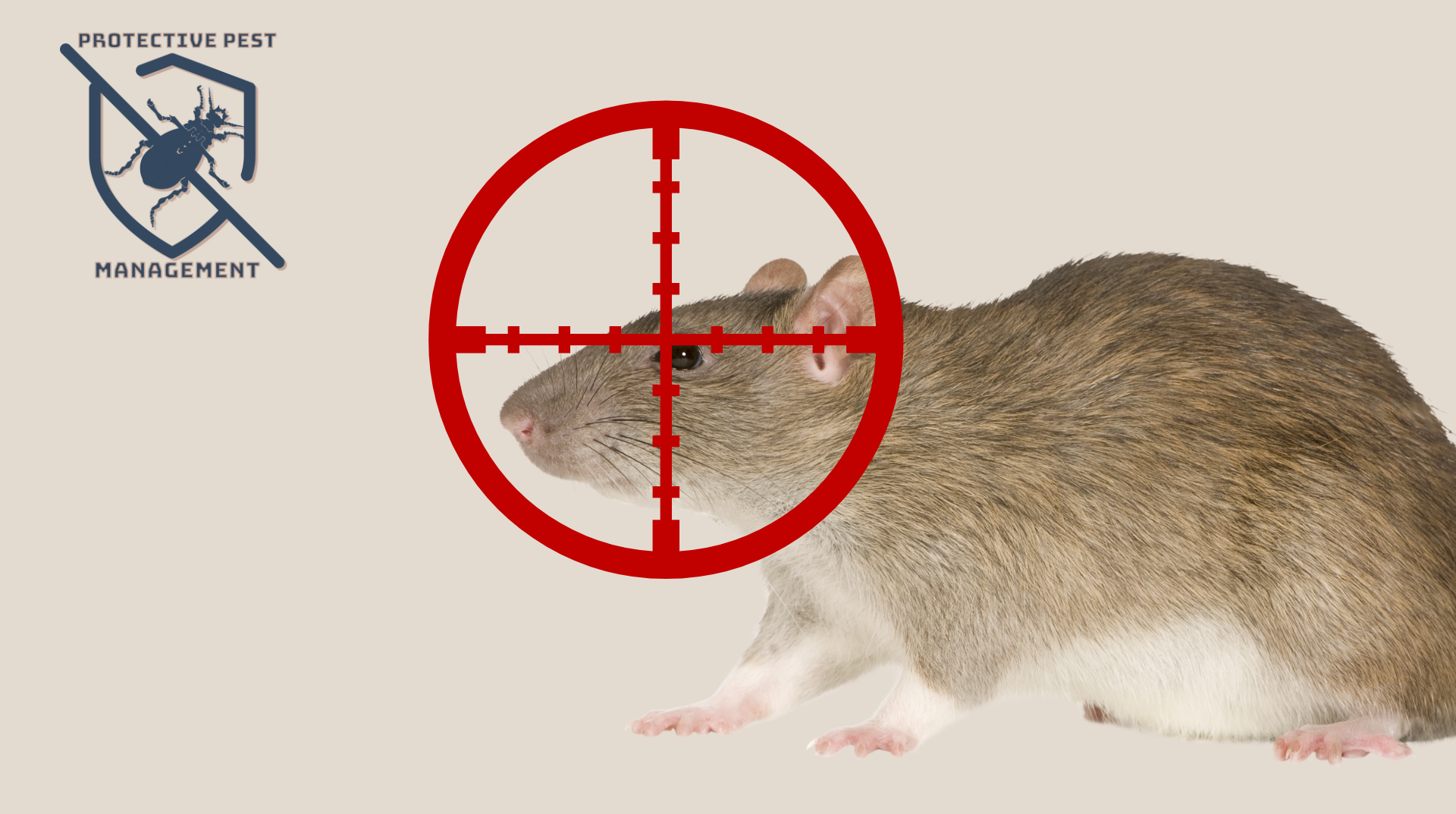
Rodents are one of the most concerning household pests because of the health risks and property damage they cause. While a single mouse sighting might seem harmless, even a small rodent issue can quickly turn into a major infestation. Families often do not realize how easily mice and rats can enter a home or how quickly they multiply. That is why regular rodent control is essential, not just as a reaction to visible pests, but as a year-round prevention strategy.
This guide explains why rodent control matters, how rodents affect family health, and how consistent preventive care protects your home long-term.
Why Rodent Control Matters for Family Safety
Rodents are not just annoying. They pose serious risks that directly affect families. Because they nest in hidden areas and leave behind harmful contamination, homes with unmonitored rodent activity are far more vulnerable to health issues and property damage.
Regular rodent control helps protect families from:
- Diseases carried by mice and rats
- Food contamination
- Allergens from droppings and dander
- Chewed wires and fire hazards
- Structural damage
- Damage to belongings
- Pests spread into living areas
When families wait until they see rodents to take action, the infestation is usually already established.
Why Rodents Are Attracted to Homes
Rodents choose homes for the same reasons people do: access to warmth, food, safety, and shelter. Even clean homes attract rodents if there are entry points or moisture issues.
Common rodent attractants include:
- Gaps under doors
- Open garage doors
- Cluttered storage spaces
- Food crumbs or pet food
- Birdseed and grass seed
- Warm attic and basement spaces
- Leaky pipes that create moisture
- Poorly sealed trash bins
Once mice or rats enter, they explore walls, insulation, crawlspaces, and other hidden areas.
Health Risks Rodents Bring to Families
One of the biggest reasons regular rodent control is needed is the health threat rodents pose to children, pets, and adults.
Rodents can carry and spread harmful diseases through:
- Urine
- Droppings
- Saliva
- Nesting materials
- Contaminated surfaces
These diseases include:
- Salmonella
- Hantavirus
- Leptospirosis
- Lymphocytic choriomeningitis virus
- Rat-bite fever
Children and people with allergies or asthma are especially sensitive to rodent allergens. Droppings and dander can trigger respiratory issues even if rodents stay hidden.
The Property Damage Caused by Rodents
Rodents chew constantly because their teeth never stop growing. Inside a home, this leads to significant damage that families may not see until it is too late.
Rodents commonly damage:
- Electrical wires
- Wall insulation
- Stored clothing and fabric
- Furniture and upholstery
- Plastic containers
- Wood framing
- HVAC ductwork
Chewed electrical wires are especially dangerous because they can cause fires. A single rodent nesting area in the wrong place can lead to thousands of dollars in repairs.
How Rodents Spread Throughout a Home
Many families assume that if a rodent is in the garage or basement, it will stay there. Unfortunately, that is rarely the case. Rodents migrate through homes using hidden pathways such as:
- Wall voids
- Joists and vents
- Attic entry-points
- Crawlspaces
- Plumbing chases
- Gaps around pipes
Once rodents find a food source in the kitchen or pantry, the infestation escalates quickly.
Why Regular Rodent Control Is More Effective Than One-Time Treatments
One-time rodent treatments only address the rodents currently in the home. They do not prevent new rodents from entering or address the underlying reason rodents arrived in the first place.
Regular rodent control involves:
- Scheduled inspections
- Monitoring device checks
- Entry-point sealing
- Habitat adjustments
- Ongoing detection for early signs
This long-term approach helps families avoid recurring infestations and the damage that comes with them.
What Regular Rodent Control Includes
A professional rodent control plan typically offers:
- Thorough inspection of the attic, basement, garage, and exterior
- Identification of entry-points
- Rodent monitoring stations
- Safe, targeted trapping
- Sanitation recommendations
- Sealing of gaps and cracks
- Moisture and clutter assessments
These steps create a solid barrier between your home and rodent activity.
Families That Benefit Most From Regular Rodent Control
While all households can benefit, some families face higher risks and should consider routine rodent protection rather than waiting for a problem to develop.
These include homes with:
- Children or infants
- Elderly family members
- Pets
- A history of pest issues
- Basements or crawlspaces
- Food storage areas in garages
- Older construction with gaps and cracks
- Nearby wooded areas or open fields
Regular inspections ensure hidden activity is caught early before rodents reach living spaces.
Seasonal Rodent Activity Families Should Know About
Rodent behavior changes throughout the year. Understanding these seasonal patterns helps explain why consistent monitoring is important.
Fall
Rodents seek warm shelter before winter. This is the most common time for new infestations.
Winter
Rodents live indoors and expand their nesting areas. They search for food and spread through walls.
Spring
Rodents begin breeding rapidly. A small winter infestation can become much larger.
Summer
Rodents look for cooler areas like basements and shaded garages.
Regular rodent control ensures pests are managed through every seasonal change.
People Also Ask
Why do rodents keep coming back?
Rodents return when entry points remain open or food sources are still available. Sealing and prevention are key.
Can rodents be dangerous to pets?
Yes. Rodents can spread diseases to pets and may contaminate pet food.
Do mice leave on their own?
No. Once they find shelter and food, they stay and breed.
How do I know if I have a hidden rodent infestation?
Droppings, scratching noises, odor, chew marks, and insulation trails indicate hidden activity.
FAQ Section
How often should families schedule rodent inspections?
Most homes benefit from inspections once or twice per year, but high-risk homes may need seasonal visits.
Are rodent treatments safe for children?
Yes. Professional rodent control uses safe, targeted methods designed to protect families.
What is the best long-term rodent prevention step?
Sealing entry points is the strongest and most effective prevention solution.
Can rodents cause electrical issues?
Yes. Chewed wiring from rodents is a common cause of electrical shorts and fire hazards.
Do traps alone solve rodent problems?
No. Traps remove existing rodents but do not prevent new ones from entering.
Call for a Free Quote
Regular rodent control keeps your family safe, healthy, and protected from hidden damage. Call
Protective Pest Management today at
(814) 244-0067 or fill out our
online form to request a free quote. Our team provides safe, effective, and long-term rodent protection tailored to your home.

Share This