What Eco Friendly Pest Methods Protect Families Best?
AI Summary
- Eco-friendly pest control methods rely on low-toxicity products, natural ingredients, and prevention-based strategies that protect families and pets.
- Techniques like heat treatments, exclusion work, essential-oil-based products, and Integrated Pest Management offer strong long-term results.
- Reducing moisture, sealing entry points, and improving sanitation help prevent pests without chemical-heavy solutions.
- Professional eco-focused pest programs combine safe materials with targeted treatment to protect homes year-round.
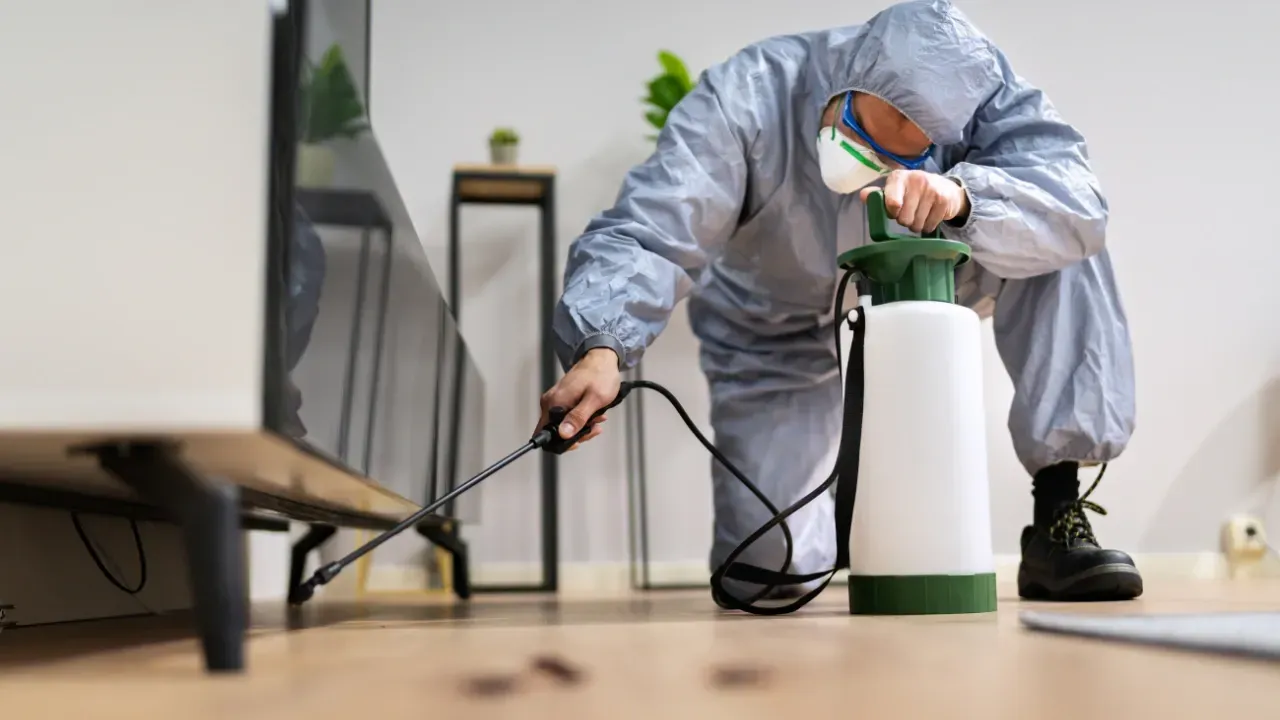
Families today are more aware of the importance of safe, environmentally conscious pest control. With concerns about chemical exposure, allergies, and the impact on pets, homeowners are turning to eco-friendly pest methods as a safer and more sustainable alternative. These methods are designed to protect your family without sacrificing effectiveness. The good news is that modern pest control offers many high-quality, low-risk options that eliminate pests while minimizing environmental impact.
If you want to keep your home pest-free using safer solutions, this guide explains the best eco-friendly pest methods, how they work, and why they are becoming the new standard in family-focused pest protection.
Why Families Choose Eco-Friendly Pest Methods
Eco-friendly pest control has grown rapidly because it offers several advantages:
- Safer for children and pets
- Lower chemical exposure
- Better long-term prevention
- Reduced environmental footprint
- Effective against a wide range of pests
- Fewer odors and residue
Traditional sprays may work short-term, but they often rely on broad-spectrum chemicals that may not be ideal for everyday environments. Eco-friendly options combine prevention, natural ingredients, and targeted treatment, making them ideal for health-conscious homes.
Best Eco-Friendly Pest Methods for Homes and Families
Below are the most effective, widely used eco-friendly pest solutions recommended for modern households.
Integrated Pest Management (IPM)
IPM is the foundation of eco-friendly pest control. Instead of relying on heavy chemicals, IPM uses smart, targeted strategies to remove pests and reduce the conditions that attract them.
IPM includes:
- Detailed inspections
- Monitoring pest activity
- Reducing moisture and food sources
- Using low-toxicity treatments
- Applying products only where needed
- Long-term prevention planning
This creates a healthier, lower-risk environment while still controlling pests effectively.
Heat Treatments for Bed Bugs and Other Pests
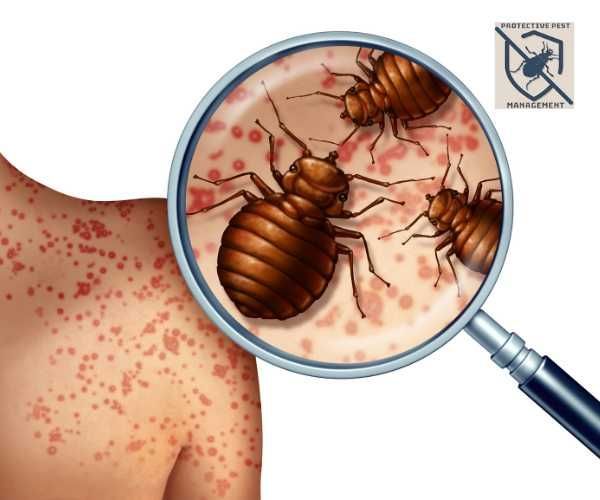
Heat treatments have become one of the safest and most effective eco-friendly options available. Instead of using harsh chemicals, professionals use high heat to eliminate pests at every life stage.
Benefits include:
- No chemical residue
- Safe for families and pets
- Kills eggs, nymphs, and adults
- Works in a single treatment
- Reaches deep cracks and crevices
Heat is especially effective for bed bugs, which are resistant to many chemical products.
Essential-Oil-Based Products
Many eco-friendly sprays use botanical formulas made from plant oils. These oils naturally repel or eliminate pests and break down quickly, leaving minimal residue.
Common ingredients include:
- Peppermint oil
- Cedarwood oil
- Lemongrass oil
- Clove oil
- Rosemary oil
- Geraniol
These formulas are often used around entry points, baseboards, and outdoor areas. While they may not replace professional-grade products for severe infestations, they work well as part of a prevention plan.
Exclusion and Entry-Point Sealing
One of the most eco-friendly pest control strategies is simply preventing pests from entering in the first place. Sealing gaps and repairing weak spots eliminates the need for chemicals entirely.
Exclusion includes:
- Sealing cracks around windows
- Closing gaps in foundations
- Installing door sweeps
- Fixing torn screens
- Sealing utility line openings
- Repairing damaged siding
Rodents, ants, spiders, and many other pests rely on small openings to enter your home. Closing these gaps is one of the safest and most effective long-term solutions.
Moisture Reduction and Home Maintenance
Many pests thrive in moisture-prone areas. Reducing moisture is one of the most natural and effective ways to prevent pest activity. Examples include:
- Fixing plumbing leaks
- Improving ventilation
- Using dehumidifiers in basements
- Cleaning gutters
- Keeping mulch away from the foundation
Moisture reduction eliminates environments that encourage ants, cockroaches, millipedes, and silverfish.
Natural Baiting and Targeted Traps
Eco-focused traps and baits are designed to isolate pests without harming the surrounding environment.
These include:
- Sticky traps
- Non-toxic bait stations
- Electronic rodent traps
- Physical barriers
- Light-based insect traps
Targeted traps reduce the need for heavy spraying and allow for safe management of pests like rodents, spiders, and roaches.
Beneficial Insects and Biological Control
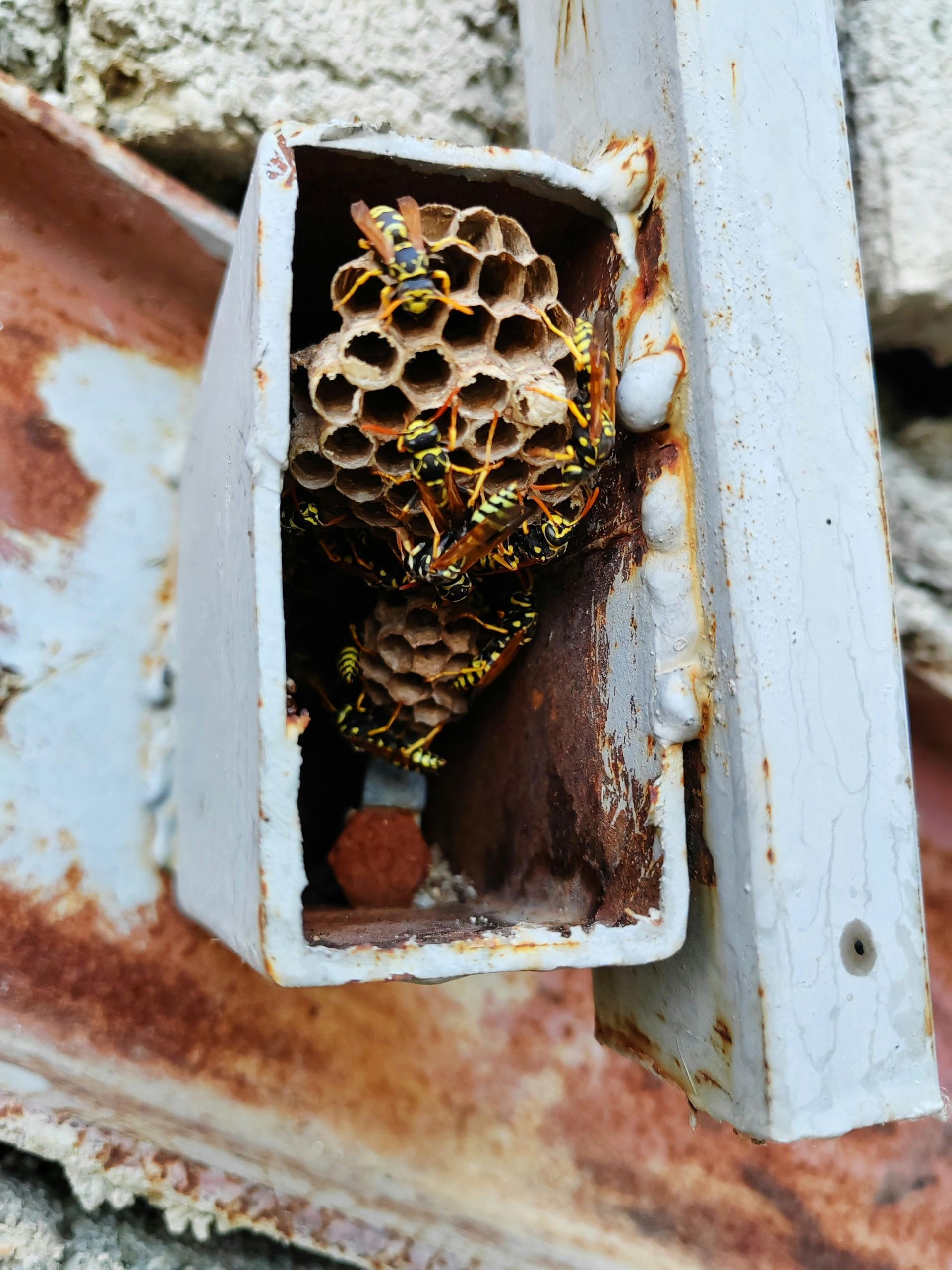
In outdoor areas, introducing beneficial species can naturally keep pest populations under control. Ladybugs, nematodes, and predatory insects help reduce harmful pest numbers without using chemicals.
While not usually used indoors, they offer a natural, eco-friendly way to maintain healthier yards and gardens.
Why Eco-Friendly Methods Are Effective
Many homeowners believe chemical-free options are weaker, but modern eco-friendly pest control is highly effective because it focuses on long-term reduction and prevention instead of short-term fixes.
These methods work because they:
- Target the root cause of infestations
- Reduce pest access points
- Lower attractants like food and moisture
- Use safe but effective products when needed
- Create a healthier indoor environment
Professional eco-focused services combine prevention with precise application, ensuring results without unnecessary risk.
People Also Ask
Are eco-friendly pest treatments strong enough for big infestations?
Yes. When applied by professionals, eco-friendly methods like heat, targeted baits, and IPM can remove severe infestations.
Are essential oil-based sprays safe for pets?
Botanical sprays are safer than chemical insecticides, but always use them as directed. Professional products are formulated to be pet-safe.
Do eco-friendly methods work as quickly as chemicals?
Some methods, like heat treatments, work even faster than chemicals and do not require multiple visits.
Can eco pest control prevent future infestations?
Yes. Prevention-based strategies like sealing entry points and reducing moisture stop infestations before they begin.
FAQ Section
Are eco-friendly products safe for babies and small children?
Yes. Most eco-friendly treatments use low-toxicity or natural ingredients, making them safer for family environments.
Do natural methods smell strong?
Some botanical products have a mild plant-based scent, but they dissipate quickly and leave no harmful residue.
Will eco-friendly pest control harm my garden or plants?
Most eco treatments are safe for landscapes and outdoor plants, especially when applied correctly.
How often should eco-friendly treatments be done?
This depends on the pest, but many homes benefit from quarterly treatments or seasonal prevention plans.
Do professionals offer eco-only treatment options?
Yes. Companies like
Protective Pest Management offer eco-focused services using safe, targeted, and family-friendly solutions.
Call for a Free Quote
If you want safer, eco-friendly pest solutions that protect your home and family, professional help makes all the difference. Call
Protective Pest Management today at
(814) 244-0067 or fill out our
online form to request a free quote. Our team specializes in safe, effective, eco-based treatments that keep your home pest-free without unnecessary chemicals.

Share This