How Can I Prepare My Home for Spring Pest Activity?
AI Summary
- Spring brings increased pest activity as temperatures rise and insects and rodents search for food, moisture, and nesting sites.
- Preparing early with sealing, cleaning, yard maintenance, and moisture control reduces the chances of spring infestations.
- Key pests during spring include ants, spiders, flies, bees, wasps, rodents, and early-season termites.
- A proactive prevention plan combined with professional inspection offers the strongest long-term protection.
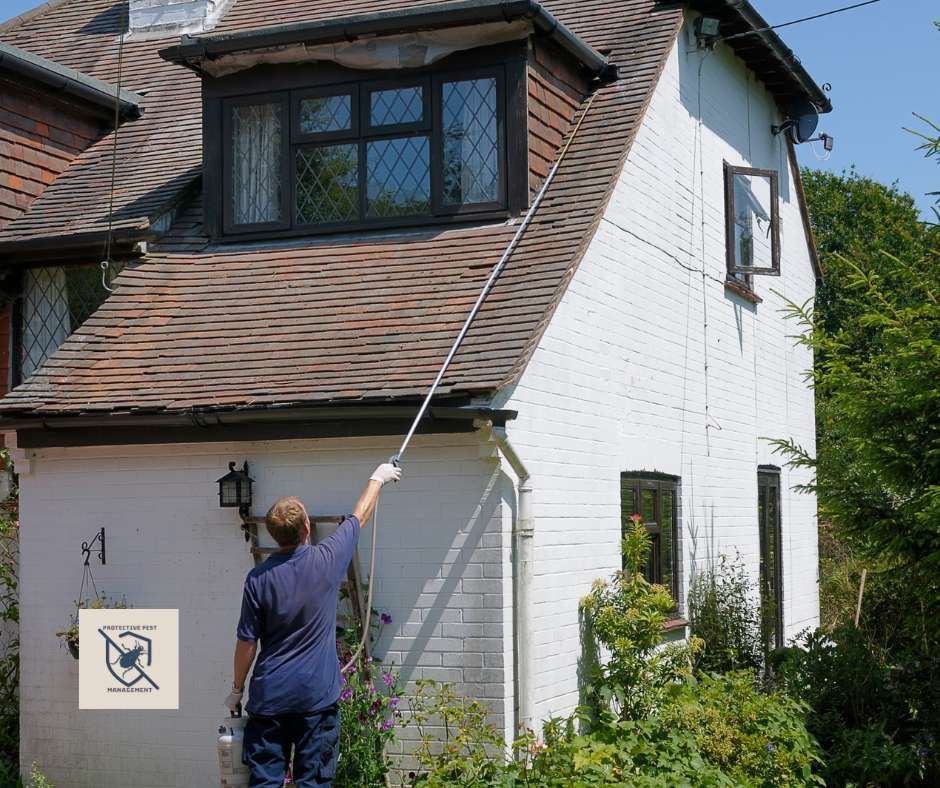
Spring is the time of year when nature wakes up, flowers bloom, and, unfortunately, pests become active again. As temperatures rise, insects and rodents that were dormant or hidden during winter begin searching for food, moisture, and nesting areas. For homeowners in Pennsylvania, spring is one of the most important seasons to prepare for pest activity because early prevention has a major impact on how many pests you will deal with throughout the rest of the year.
If you want to avoid ant trails in the kitchen, wasp nests near the porch, or mice exploring your basement, preparing your home now can make a major difference. This guide explains how to get your property ready for spring and what steps offer the best long-term results.
Why Spring Brings Increased Pest Activity
Warmer temperatures cause pest metabolism and reproduction to increase. Some pests wake up from winter hiding spots, while others begin looking for new habitats as soon as the weather shifts.
Common spring pests include:
- Ants
- Spiders
- Wasps
- Bees
- Flies
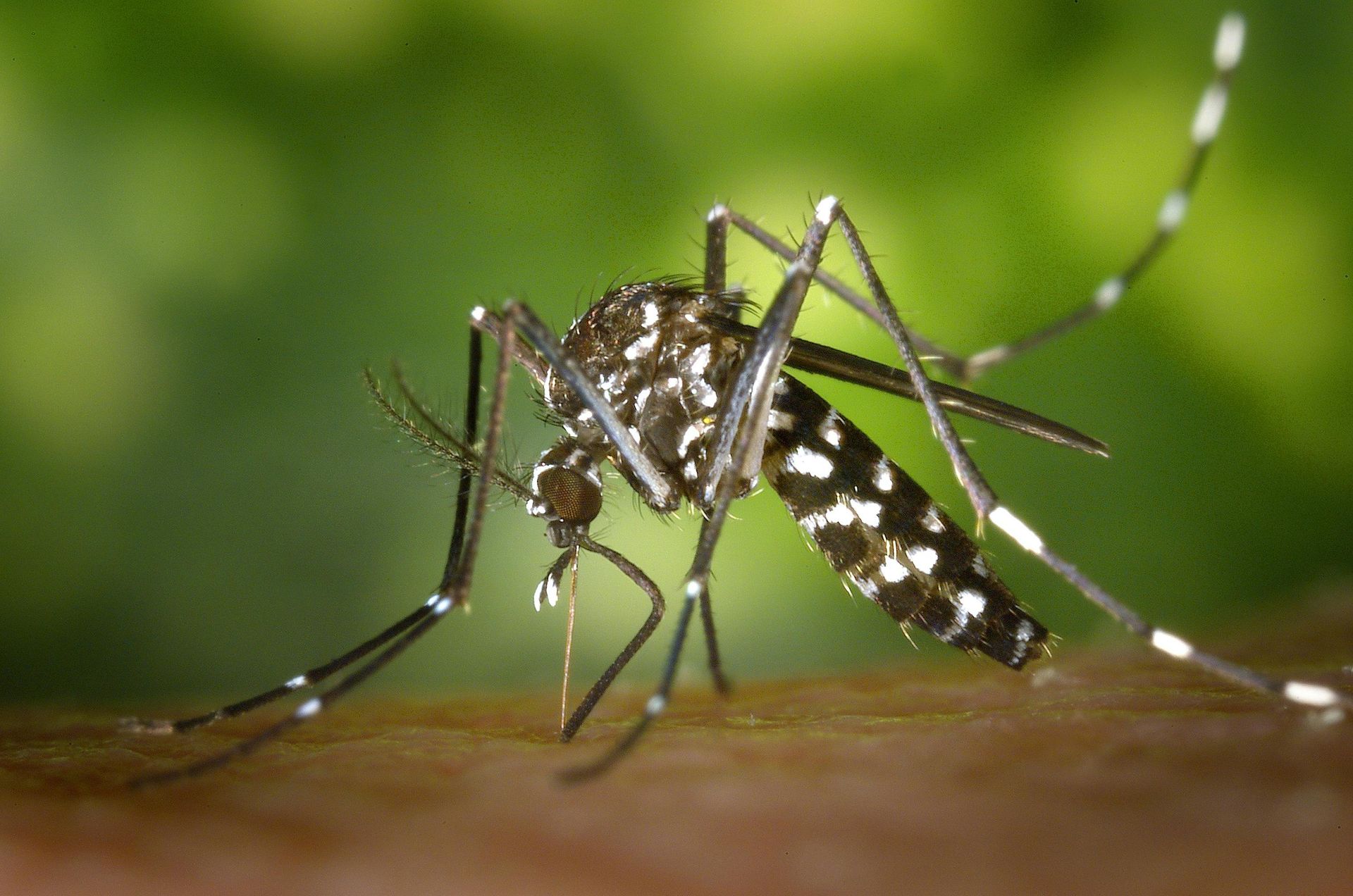
- Mosquitoes
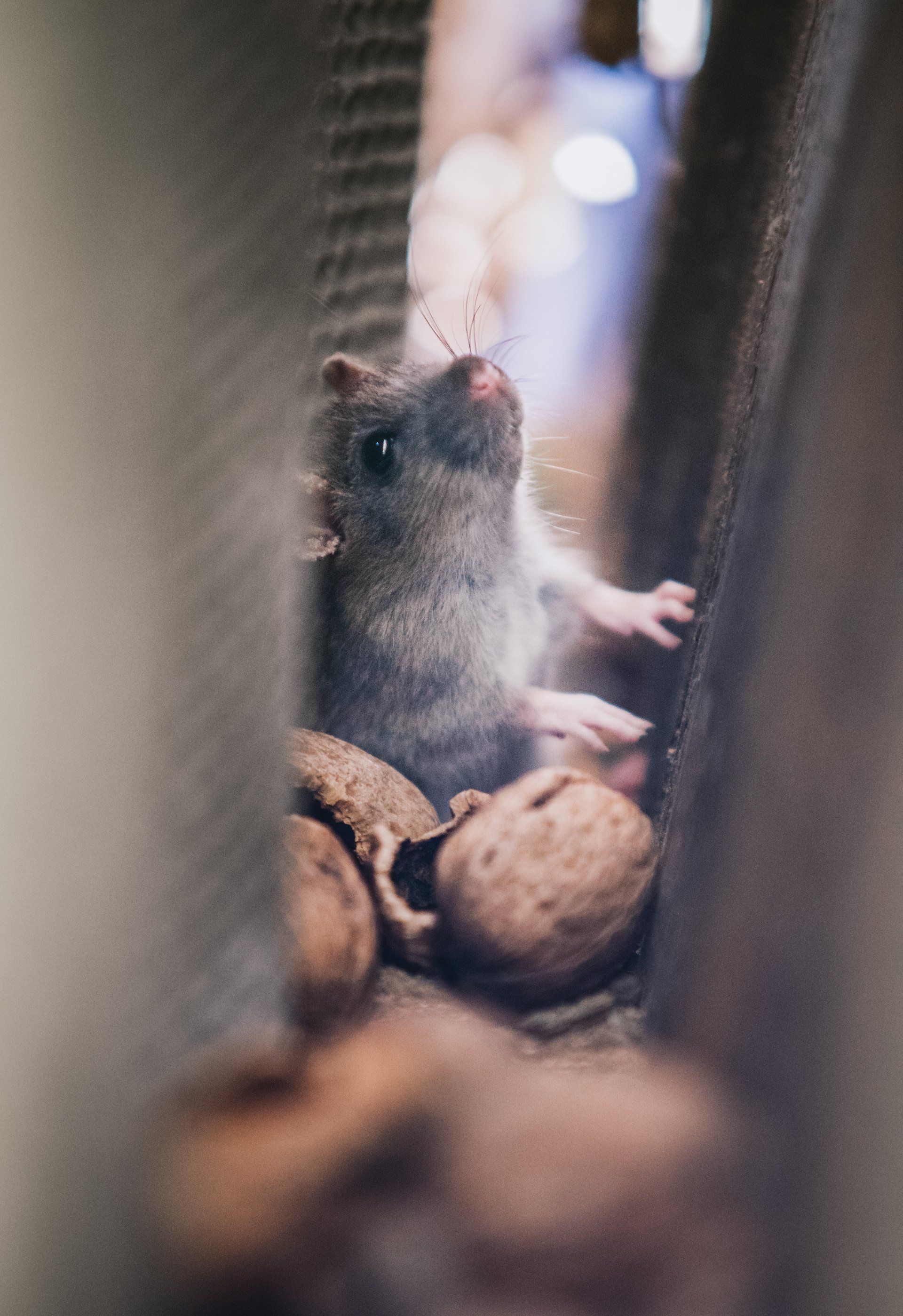
- Rodents
- Carpenter bees
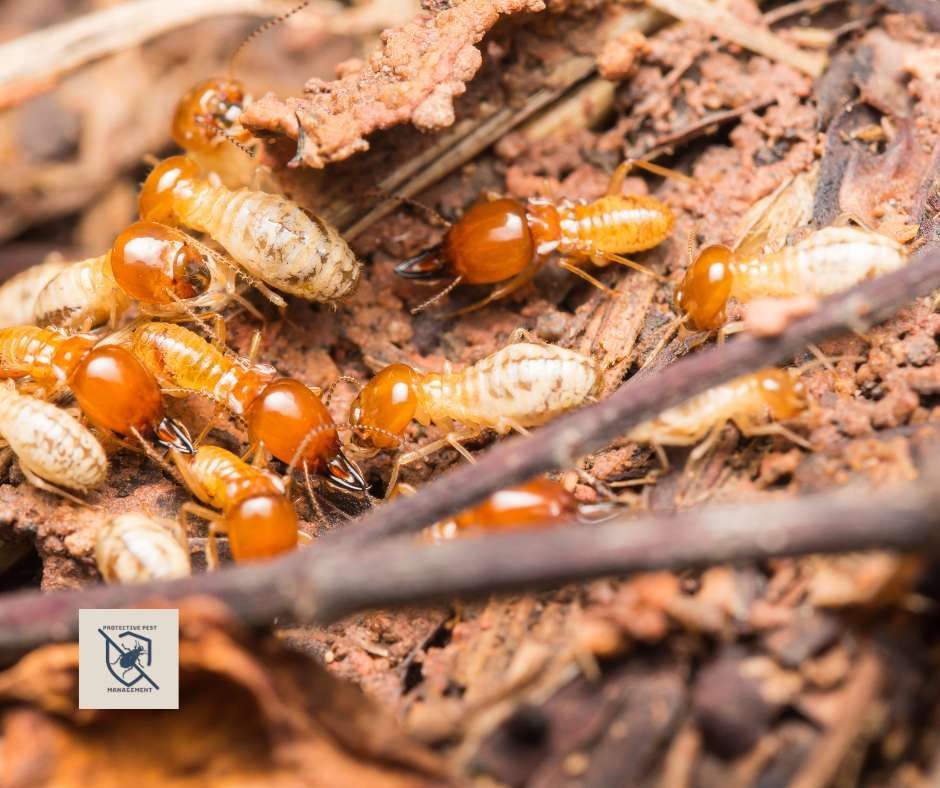
- Termite swarmers
Most of these pests look for three things: food, moisture, and warm shelter. Homes that are not prepared become easy targets.
Step 1: Seal Entry-Points Before Pests Find Them
One of the most effective spring pest prevention strategies is sealing openings before insects and rodents start exploring. Even a tiny gap can invite unwanted guests into your home.
Check and repair:
- Cracks in siding
- Gaps around windows
- Door sweeps with spaces underneath
- Holes near utility lines
- Openings around pipes
- Foundation cracks
- Torn window screens
- Attic and crawlspace vents without protective mesh
Entry-point sealing is a simple, affordable, and highly effective way to stop pests before they enter.
Step 2: Reduce Moisture in High-Risk Areas
Moisture is one of the biggest spring attractants for pests like ants, spiders, earwigs, centipedes, and roaches. Many pests rely on damp environments to survive.
Reduce moisture by:
- Fixing leaky pipes
- Checking under sinks for dampness
- Running dehumidifiers in basements
- Cleaning gutters to prevent overflow
- Keeping mulch away from your foundation
- Repairing roof leaks
- Improving ventilation in bathrooms and kitchens
A moisture-free home is far less attractive to pests during spring.
Step 3: Deep Clean the Kitchen and Dining Areas
Food residue, crumbs, and grease inside a home create perfect conditions for ants, flies, roaches, and rodents.
To prevent spring infestations:
- Clean behind appliances
- Remove old pantry items
- Wipe down shelves
- Deep clean counters and stovetops
- Store food in airtight containers
- Take out trash regularly
- Keep pet food sealed
Spring pest activity often begins with simple food-seeking behavior.
Step 4: Inspect and Declutter Storage Areas
Basements, attics, garages, and sheds become hiding spots for rodents, spiders, and nesting insects during spring.
Declutter by:
- Removing cardboard boxes and switching to plastic bins
- Eliminating piles of paper, fabric, or clutter
- Storing firewood at least 20 feet from the house
- Checking for droppings, nests, or gnaw marks
- Organizing shelves so pests have fewer hiding areas
Rodents and other pests thrive in cluttered, undisturbed spaces.
Step 5: Maintain Your Yard and Exterior Spaces
Your yard is your first line of defense during spring. Proper landscaping can drastically reduce the number of pests that reach your home.
Yard tasks include:
- Trimming shrubs that touch the house
- Cutting back branches near the roof
- Removing leaves and debris
- Clearing clogged gutters
- Mowing overgrown grass
- Reducing standing water
- Cleaning outdoor furniture
Wasps, ticks, mosquitoes, ants, and rodents all rely on outdoor hiding places. A clean yard makes your home less appealing.
Step 6: Check Wooden Structures for Damage
Spring is when carpenter bees, termites, and ants begin exploring for weak wood to nest in. Pay close attention to:
- Deck railings
- Porch posts
- Window trim
- Wooden siding
- Fences
- Sheds
- Pergolas
Look for round holes, soft wood, bubbling paint, or sawdust. These are early signs that wood-loving pests have arrived.
Step 7: Prepare for Stinging Insects Early
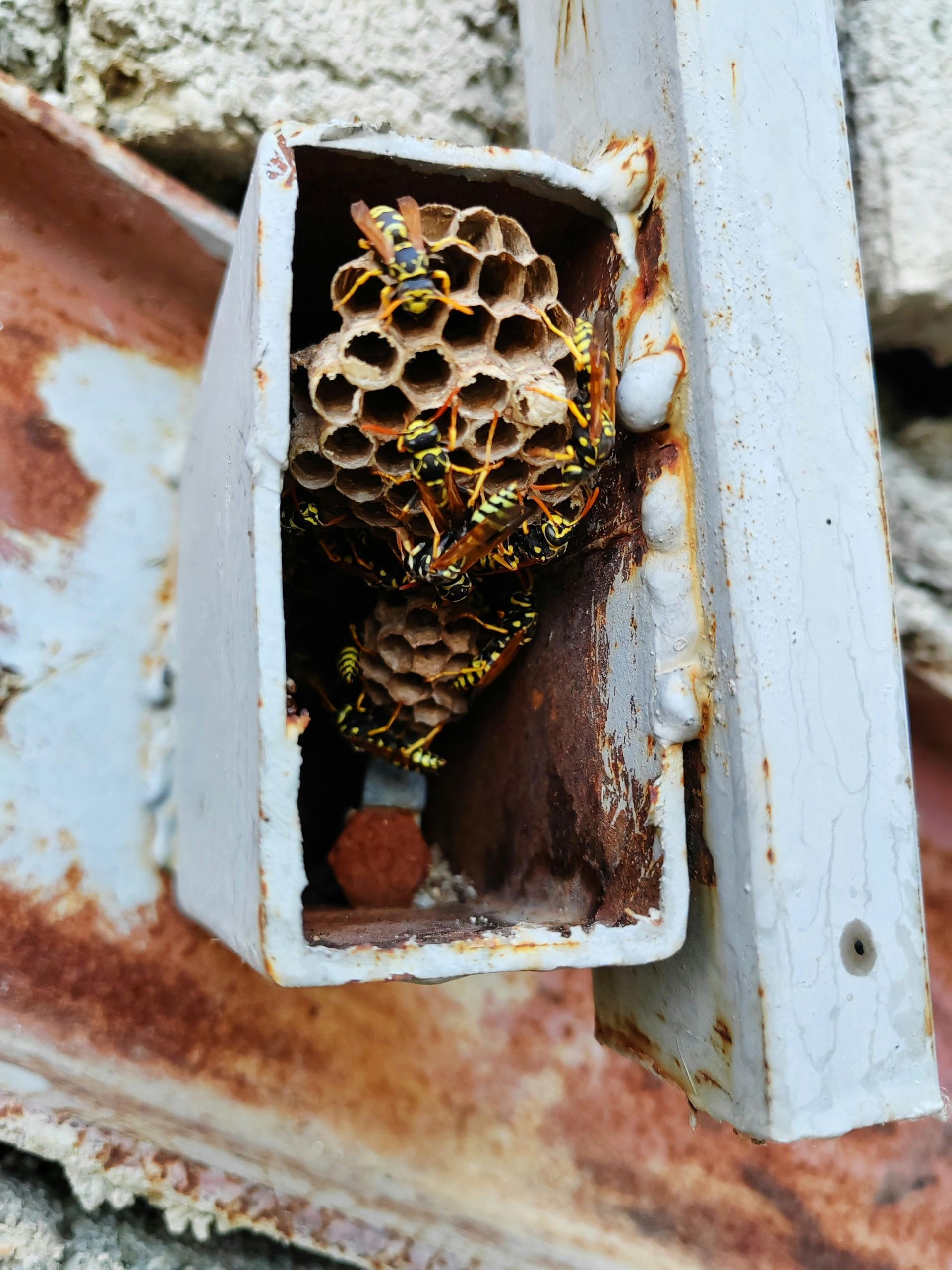
Wasps, hornets, and bees begin building nests during spring. Removing small nests early prevents dangerous colonies later in the season.
Inspect areas such as:
- Roof eaves
- Deck undersides
- Porch ceilings
- Sheds
- Outdoor playsets
- Fences
- Window frames
If you see early nesting, avoid DIY removal. Professional handling is the safest method.
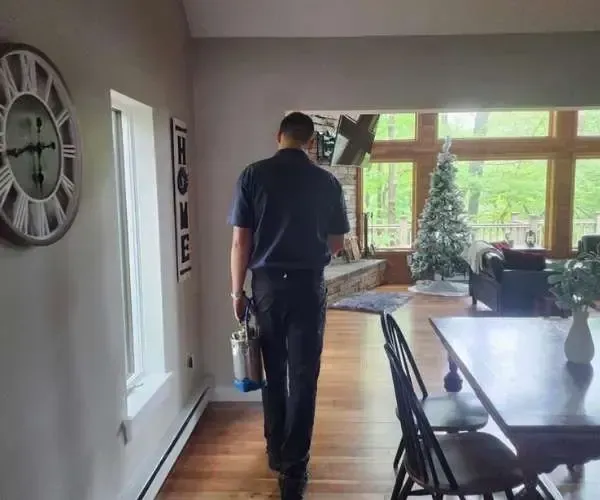
Step 8: Schedule a Professional Spring Pest Inspection
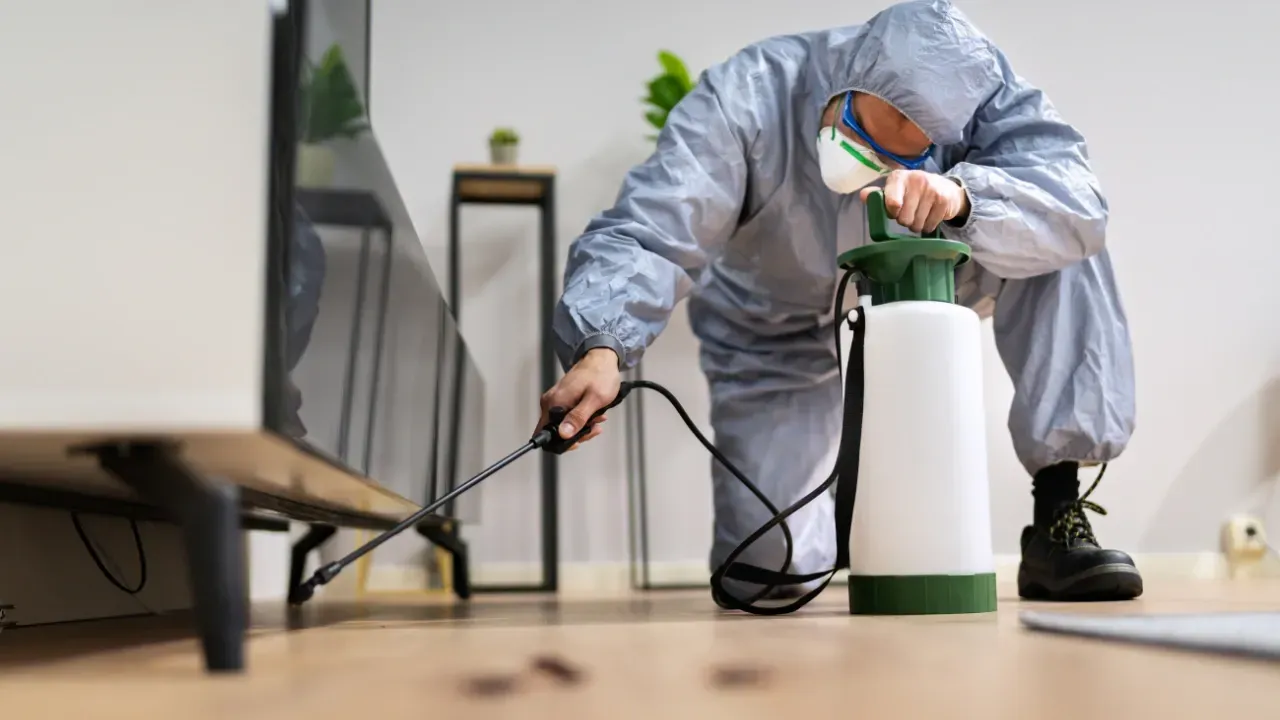
A spring inspection offers strong protection because technicians know exactly where pests hide during seasonal changes. Professionals can detect early signs of:
- Rodent entry
- Carpenter ant activity
- Termite swarmers
- Wasp nest development
- Foundation gaps
- Moisture-prone areas
A spring inspection often prevents a year of pest problems.
Why Spring Pest Prevention Is Worth the Effort
Preparing your home early has major benefits:
- Fewer infestations later in the season
- Reduced risk of damage
- Lower long-term pest control costs
- Decreased exposure to pests and allergens
- Improved indoor air quality
- Healthier environment for families and pets
Spring pests multiply quickly. Taking action now saves time, money, and stress later.
People Also Ask
What pests are most common in spring?
Ants, spiders, wasps, carpenter bees, rodents, and termite swarmers are the most active during spring.
When should I start preparing for spring pests?
Begin preparing as soon as temperatures rise above 50 degrees, typically late February through April.
Do spring pests go away on their own?
No. Most pests become more active as temperatures rise and will continue breeding.
How effective is spring pest prevention?
Extremely. Early prevention reduces up to 80 percent of common seasonal pest issues.
FAQ Section
Do I need pest control if I do not see pests yet?
Yes. Spring is the ideal time to prevent infestations before they begin.
How often should I inspect for pests in spring?
Inspect your home weekly for signs such as droppings, holes, nests, and wood damage.
Are eco-friendly spring treatments effective?
Yes. Modern eco-based formulas are safe for families and offer strong protection.
Will sealing my home stop all pests?
It prevents many insects and rodents, but combining sealing with professional treatment offers the best results.
Can pests enter even if I clean regularly?
Yes. Cleanliness helps, but sealing, moisture control, and yard care are just as important.
Call for a Free Quote
Preparing your home for spring pests is the key to a comfortable, safe, and pest-free season. Call
Protective Pest Management today at
(814) 244-0067 or fill out our
online form to request a free quote. Our trusted team provides effective spring treatments that keep pests away and protect your home long-term.

Share This