How Often Should Homes Get Pest Inspections Done?
AI Summary
- Most homes should schedule pest inspections once every year, while high-risk homes may need seasonal or twice-yearly inspections.
- Regular inspections help detect early signs of ants, rodents, termites, spiders, and bed bugs before they become expensive infestations.
- Home age, location, weather, and past pest history all affect how often you should schedule an inspection.
- Professional inspections offer early detection, long-term prevention, and safer solutions than DIY methods.
Many homeowners wait until pests become visible before calling for help, but by then the problem is usually larger than it seems. Pests like ants, mice, termites, and spiders can hide deep inside walls, attics, crawlspaces, and basements for months. Routine pest inspections are one of the best ways to catch issues early and prevent costly damage. But the question most people ask is: how often should you get your home inspected for pests?
This guide explains how frequently inspections should be done, what factors affect your schedule, and why regular inspections protect your home more effectively than reactive treatments.
Why Pest Inspections Are Important for Every Home
Even clean, well-maintained homes can attract pests. Many pests only need a small entry point or a little moisture to begin nesting.
Regular inspections provide homeowners with:
- Early detection of hidden pests
- Identification of high-risk areas
- Prevention of expensive damage
- Family-safe treatment options
- Peace of mind year-round
Many pests stay hidden until their populations grow large. A yearly or seasonal inspection is often the only way to catch problems early.
Recommended Inspection Frequency for Most Homes
Once Per Year for Standard Homes
For most households, an annual pest inspection is the ideal schedule. A once-per-year check allows technicians to:
- Inspect key areas like basements, attics, kitchens, and crawlspaces
- Identify mice, ants, spiders, or roaches early
- Find small entry points before pests use them
- Assess moisture and structural conditions
This helps maintain a healthy, pest-free home with minimal cost.
Twice Per Year for High-Risk Homes
Some homes are naturally more vulnerable and may need inspections every six months.
You fall into this category if you have:
- A history of recurring infestations
- A wooded yard or heavy vegetation
- Pets that bring pests inside
- An older home with cracks and gaps
- A home near water, fields, or wooded areas
- A basement or crawlspace with moisture
These conditions increase the chance of pest issues and make biannual inspections a smart choice.
Seasonal Inspections for Severe Pest Zones
Areas with strong seasonal pest activity benefit from inspections in:
- Spring
- Summer
- Fall
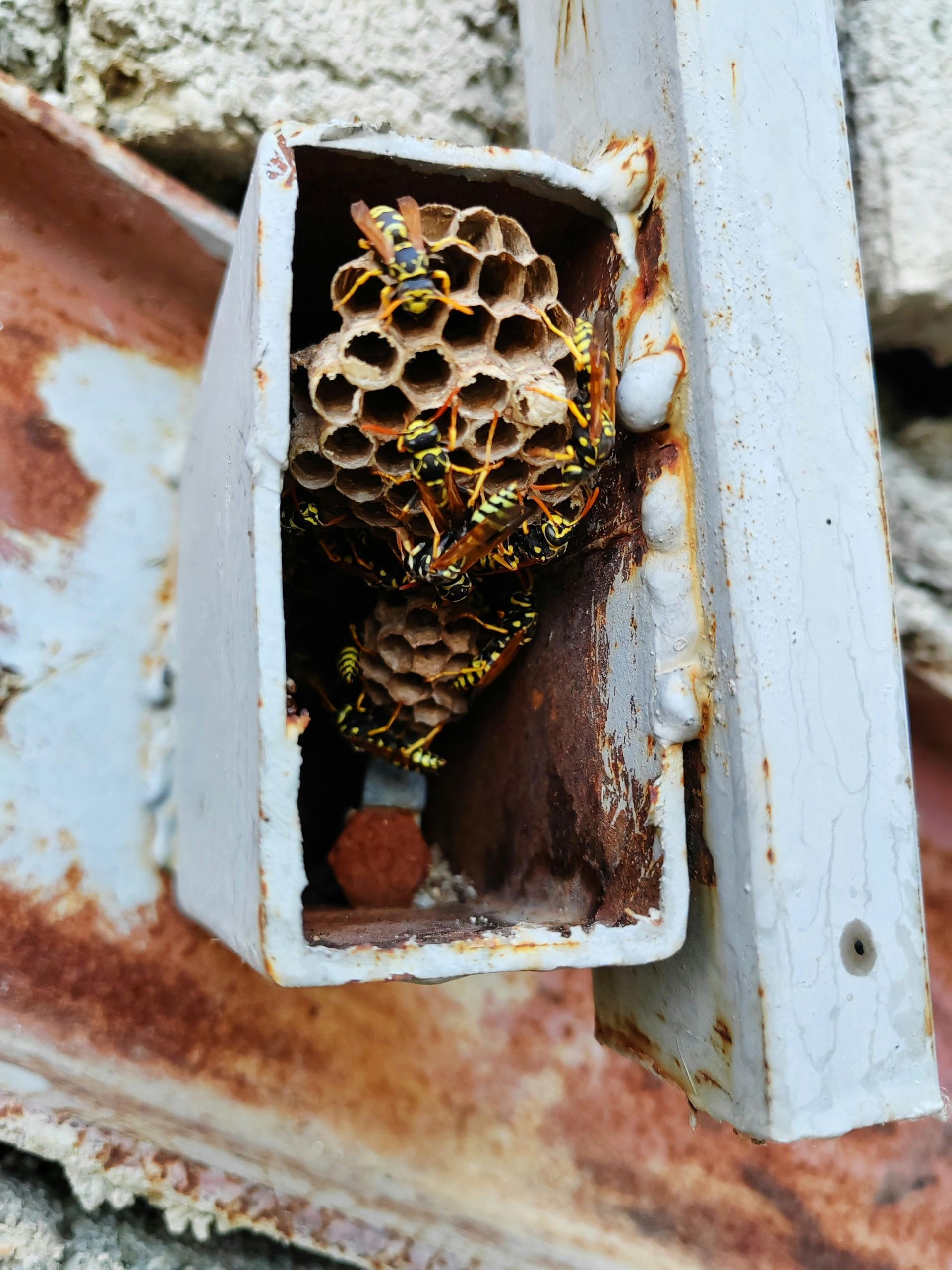
Spring inspections help prevent ants and bees, summer inspections catch wasps and spiders, and fall inspections stop rodents before winter.
Quarterly Plans for Maximum Protection
Homes that want long-term coverage often choose quarterly pest inspections, especially if:
- You want year-round prevention
- You prefer proactive over reactive pest control
- You want the fastest detection of new issues
- You have children or pets and want a safer environment
Quarterly inspections keep pests under control all year.
Factors That Affect How Often You Need a Pest Inspection
Home Age
Older homes have more cracks, wood damage, and loose materials that pests use to enter. They often require more frequent inspections.
Weather and Climate
Humid, rainy, and warm months increase pest activity. Homes in these areas benefit from seasonal checks.
Location
Homes near forests, fields, lakes, parks, or older buildings have higher pest pressure.
Previous Pest Problems
If your home has had past issues with:
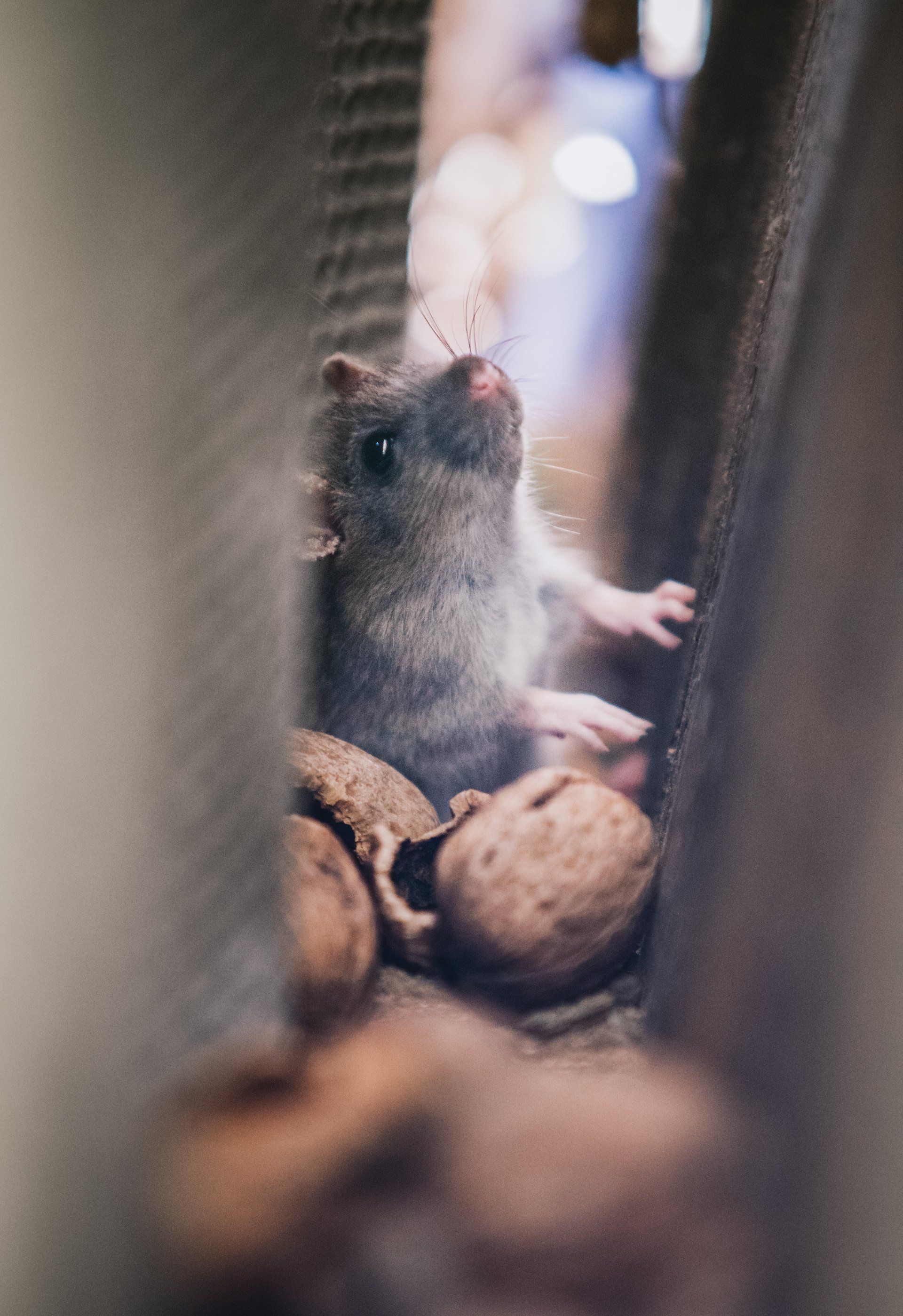
- Rodents
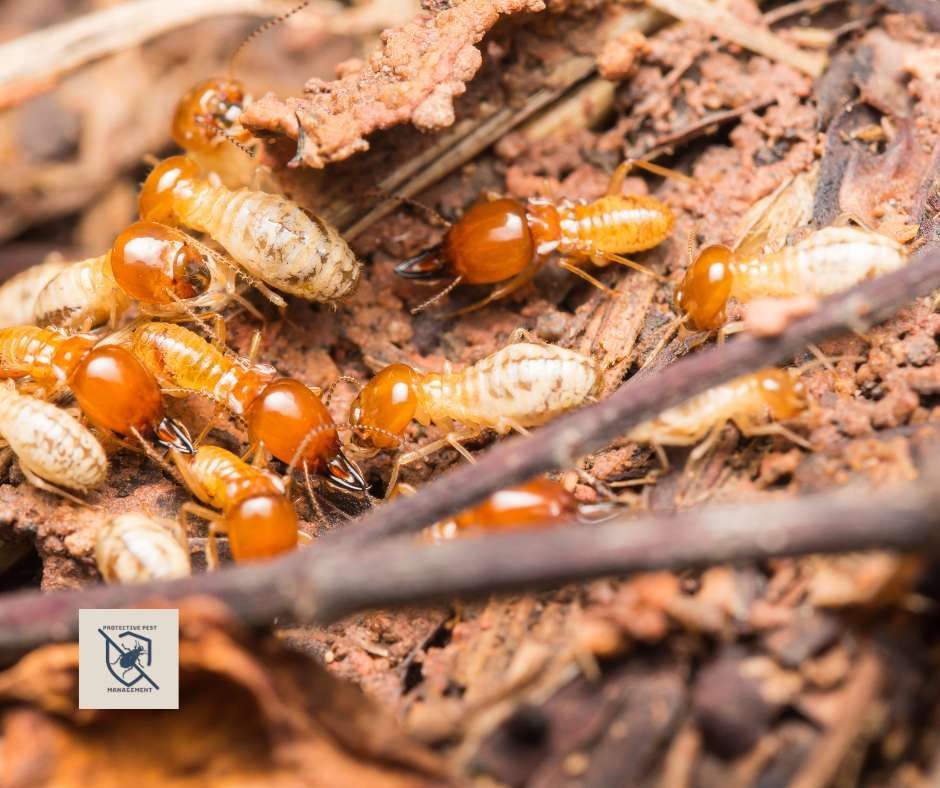
- Termites
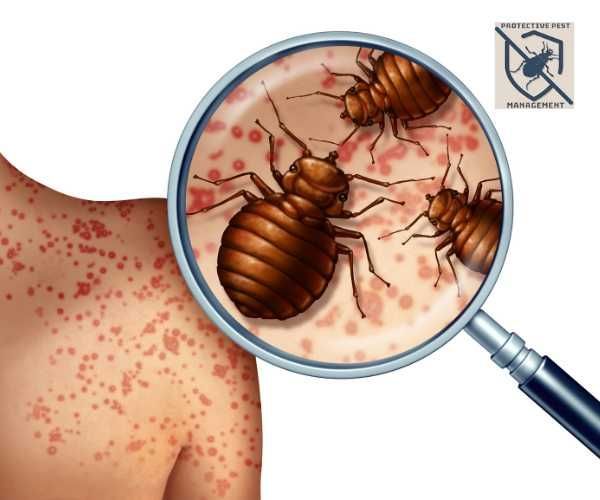
- Bed bugs
- Carpenter ants
- Cockroaches
You should schedule inspections more often to ensure pests do not return.
Type of Home Structure
Homes with crawlspaces, attics, basements, and wooden siding are more vulnerable than brick-only homes.
Lifestyle and Household Habits
Homes with pets, large families, or frequent visitors naturally have more pest activity and may need extra inspections.
What Happens During a Professional Pest Inspection?
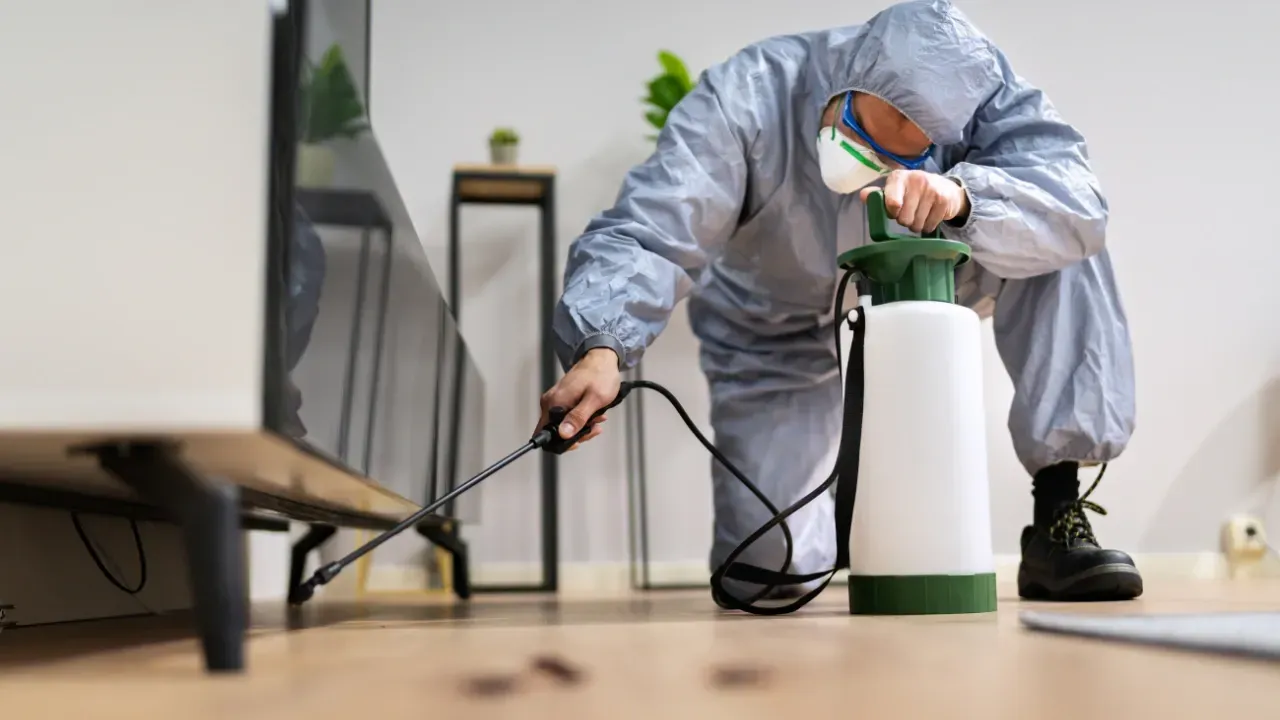
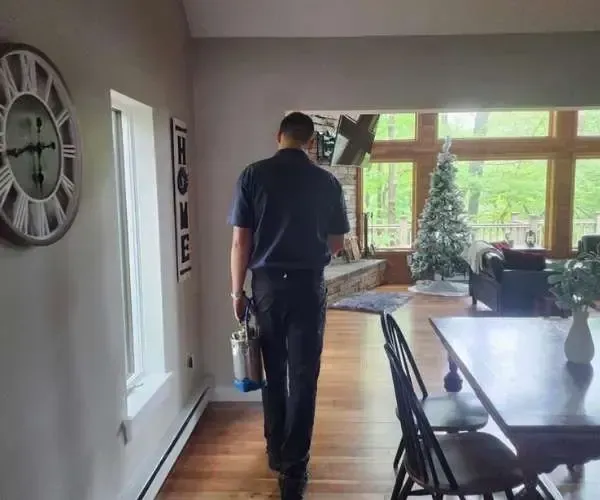
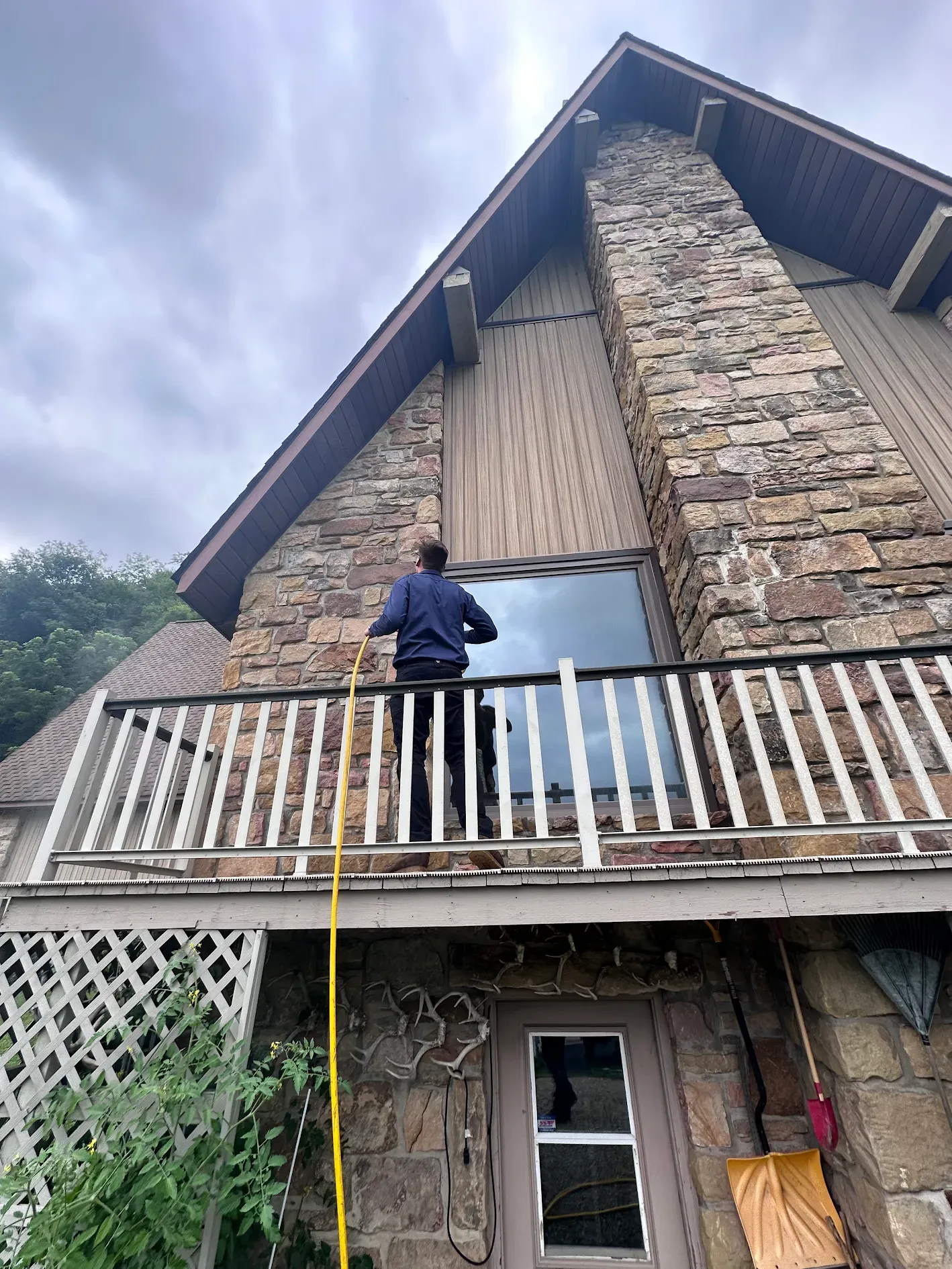
A professional inspection is more detailed than most homeowners expect. Technicians check the entire home for activity, damage, and risk factors.
A full inspection includes:
- Checking basements, attics, crawlspaces, and garages
- Inspecting doors and windows for entry points
- Examining moisture-prone areas
- Looking for droppings, webs, nests, or chew marks
- Testing wood for termite or carpenter ant damage
- Evaluating landscaping and exterior structures
- Identifying pests by behavior or evidence
This detailed inspection helps decide whether treatment or prevention steps are needed.
Why DIY Inspections Are Not Enough
DIY checks can help, but they miss a lot. Many pests hide in places homeowners rarely inspect, such as:
- Wall voids
- HVAC chases
- Behind insulation
- Under appliances
- Inside structural wood
- Behind the electrical plates
Professionals use specialized tools and training to find subtle signs that most people overlook.
Benefits of Regular Pest Inspections
Routine inspections are one of the best ways to maintain a safe and healthy home.
Benefits include:
- Preventing rodent infestations
- Reducing insect nesting sites
- Detecting termites early
- Protecting your home’s structure
- Preventing food contamination
- Lowering disease and allergy risks
- Saving money on repairs
- Keeping your home consistently pest-free
Early action always costs less than waiting for an infestation to spread.
People Also Ask
Can pests be present even if I do not see them?
Yes. Most pests stay hidden in walls, attics, or crawlspaces until the infestation becomes severe.
Are yearly pest inspections enough?
Yes, for most homes, but high-risk houses benefit from twice-yearly or quarterly inspections.
What pests are found most often during inspections?
Ants, spiders, rodents, termites, roaches, and wasps are the most common.
Can one inspection solve all pest problems?
Inspections identify issues, but ongoing prevention helps keep pests from returning.
FAQ Section
What time of year is best for a pest inspection?
Spring and fall are ideal, but any time you notice activity or want prevention is a good time.
Does my home need an inspection if I had treatment recently?
Yes. Treatment removes current pests but does not replace seasonal inspections.
How long does a pest inspection take?
Most inspections take 30 to 60 minutes, depending on home size.
Do pest inspections include termite checks?
Many companies include termite checks, but some offer them as an add-on. Always ask.
Are pest inspections safe for kids and pets?
Yes. Inspections are non-invasive and involve no chemicals unless treatment is needed.
Call for a Free Quote
Routine pest inspections protect your home from costly and stressful infestations. Call
Protective Pest Management today at
(814) 244-0067 or fill out our
online form to request a free quote. Our team provides thorough inspections and long-term prevention for a healthier, safer home.

Share This