What Causes Spring Ant Problems in Johnstown Homes?
AI Summary
- Spring ant problems in Johnstown happen due to warming temperatures, moisture changes, and accessible food sources.
- Several ant species become active after winter, causing sudden indoor invasions.
- Preventive steps like sealing entry points, reducing moisture, and professional treatments can stop infestations.
- Learn how to identify causes, prevent future activity, and know when to call experts for help.
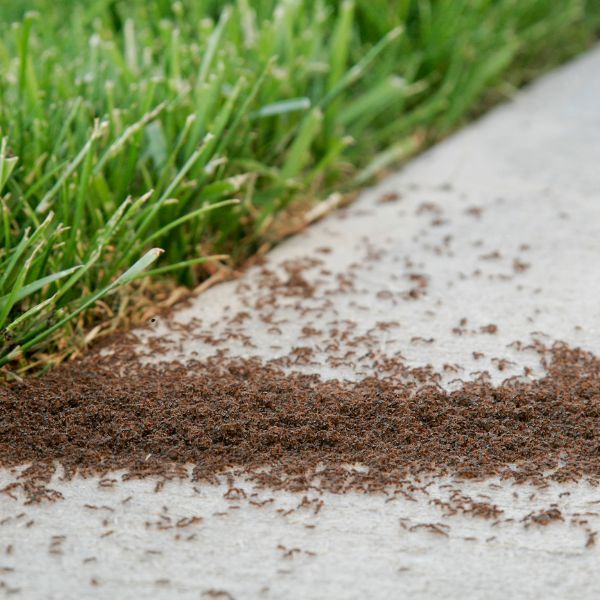
Spring is one of the most common times for ants to suddenly appear inside homes across Johnstown, Irwin, North Huntingdon, Greensburg, and surrounding Pennsylvania communities. Just when the weather warms and snow melts, homeowners begin noticing long ant trails in the kitchen, basement, bathrooms, and around foundation areas.
If you have ever wondered why ants seem to invade the moment spring arrives, you are not alone. Spring creates the perfect conditions for ant colonies to wake up, move, expand, and forage. In this guide, we will break down what causes spring ant problems in Johnstown homes, which species are to blame, and what you can do to stop infestations early.
Why Ants Show Up in Spring
Ants become active once temperatures reach roughly 50 degrees Fahrenheit. After months of staying dormant underground, colonies resume searching for food, water, and new shelter. Johnstown’s spring climate is ideal because it provides moisture, warmth, and accessible entry points around homes.
Here are the main reasons spring ant problems happen so consistently in our area.
Moisture Changes and Snowmelt
As the ground thaws, moisture levels rise around foundations, mulch beds, and basements. Ants are drawn to these damp areas, especially species like odorous house ants and pavement ants.
Moisture attracts ants because they need reliable water sources to rebuild and expand their colonies after winter. Even minor issues like leaky pipes, damp basements, or clogged gutters can pull ants toward your home.
Increased Foraging Activity
Once spring begins, ant colonies send out workers to search for sugar, protein, grease, and moisture. Any accessible food indoors, even crumbs, can become a target.
Common indoor attractants include:
- Pet food bowls
- Unsealed pantry items
- Dirty dishes or spills
- Trash cans without lids
- Grease around stoves
- Sugary residues on counters
These small sources are more than enough to create steady ant trails throughout your kitchen or bathroom.
Colony Expansion After Winter
Spring is when ant colonies begin reproducing and preparing for new satellite colonies. This expansion increases movement and activity around homes. Carpenter ants, in particular, use spring to establish new nesting areas in damp or decaying wood.
In a place like Johnstown, where wooded areas surround many neighborhoods, carpenter ant activity becomes especially common in spring.
Cracks and Gaps in the Home Structure
Winter weather can cause small shifts in siding, foundations, and window seals. As spring arrives, these new cracks become entry points for ants.
Typical access points include:
- Gaps in foundation walls
- Openings around utility lines
- Unsealed windows or door frames
- Holes in caulking
- Vents or exterior cracks
If ants find even the tiniest gap, they can enter in large numbers.
Yard Conditions That Attract Colonies
Mulch, firewood piles, moist soil, and yard debris can harbor ant colonies that eventually migrate indoors. Spring yard cleanup is important because ants frequently nest near homes and move in as soon as food or moisture becomes available indoors.
Which Ant Species Cause Problems in Johnstown?
Johnstown and nearby Pennsylvania towns deal with several common species each spring. Knowing which ones are invading your home helps determine the right treatment.
Odorous House Ants
These small, dark ants are most active in spring and release a noticeable smell when crushed. They often trail to kitchens and bathrooms.
Pavement Ants
Common around driveways and foundations, they enter homes looking for food and moisture.
Carpenter Ants
These ants do not eat wood but excavate it to build nests. They are especially attracted to moist wood caused by leaks or humidity.
Field Ants and Other Outdoor Species
While not all ant species invade homes, many enter accidentally during spring expansion.
How to Prevent Spring Ant Problems Before They Grow
Spring ant activity is predictable, and prevention is the best defense. These steps drastically reduce infestations.
Seal Entry Points
Use silicone caulk to seal cracks around doors, windows, foundations, and utility lines.
Reduce Moisture
Fix leaks, improve ventilation, clean gutters, and reduce standing water around your property.
Keep Kitchen Areas Clean
Wipe counters, store food in sealed containers, and clean up spills immediately.
Replace Rotting or Moist Wood
Carpenter ants thrive in damp areas. Replacing soft wood prevents nesting.
Trim Trees and Shrubs
Branches touching the home act as bridges for ant colonies.
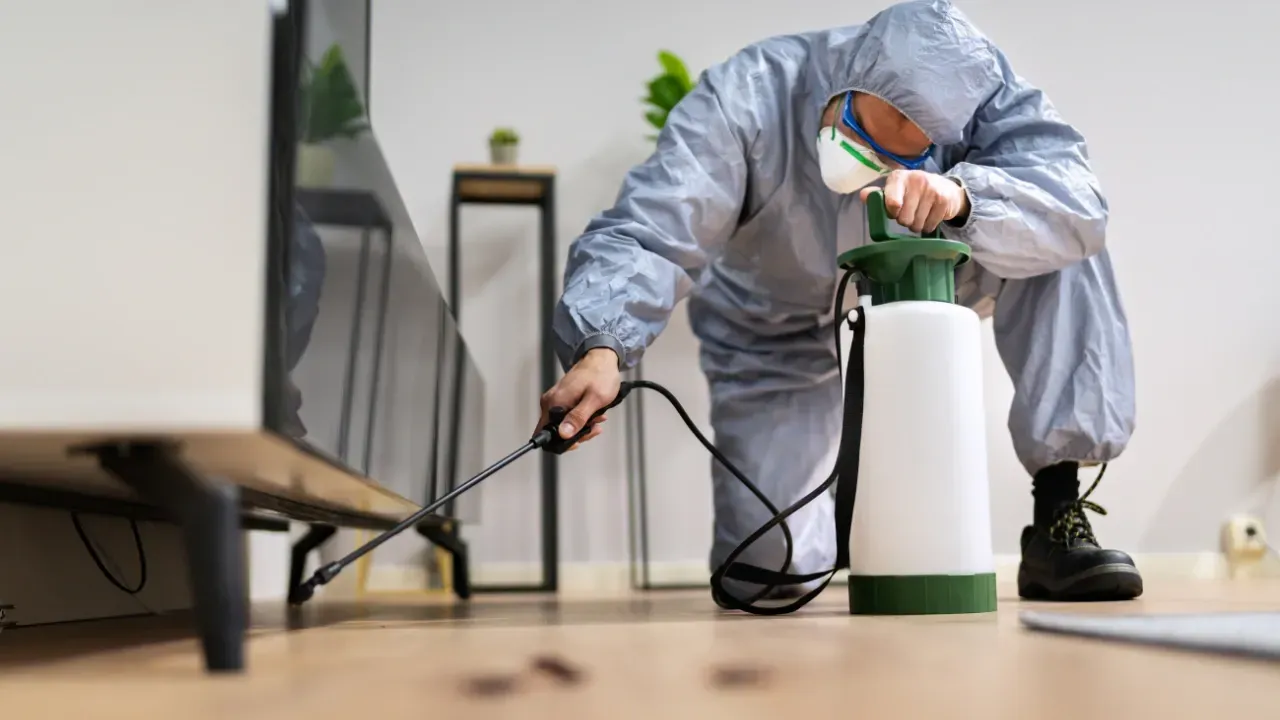
Schedule Professional Preventive Treatments
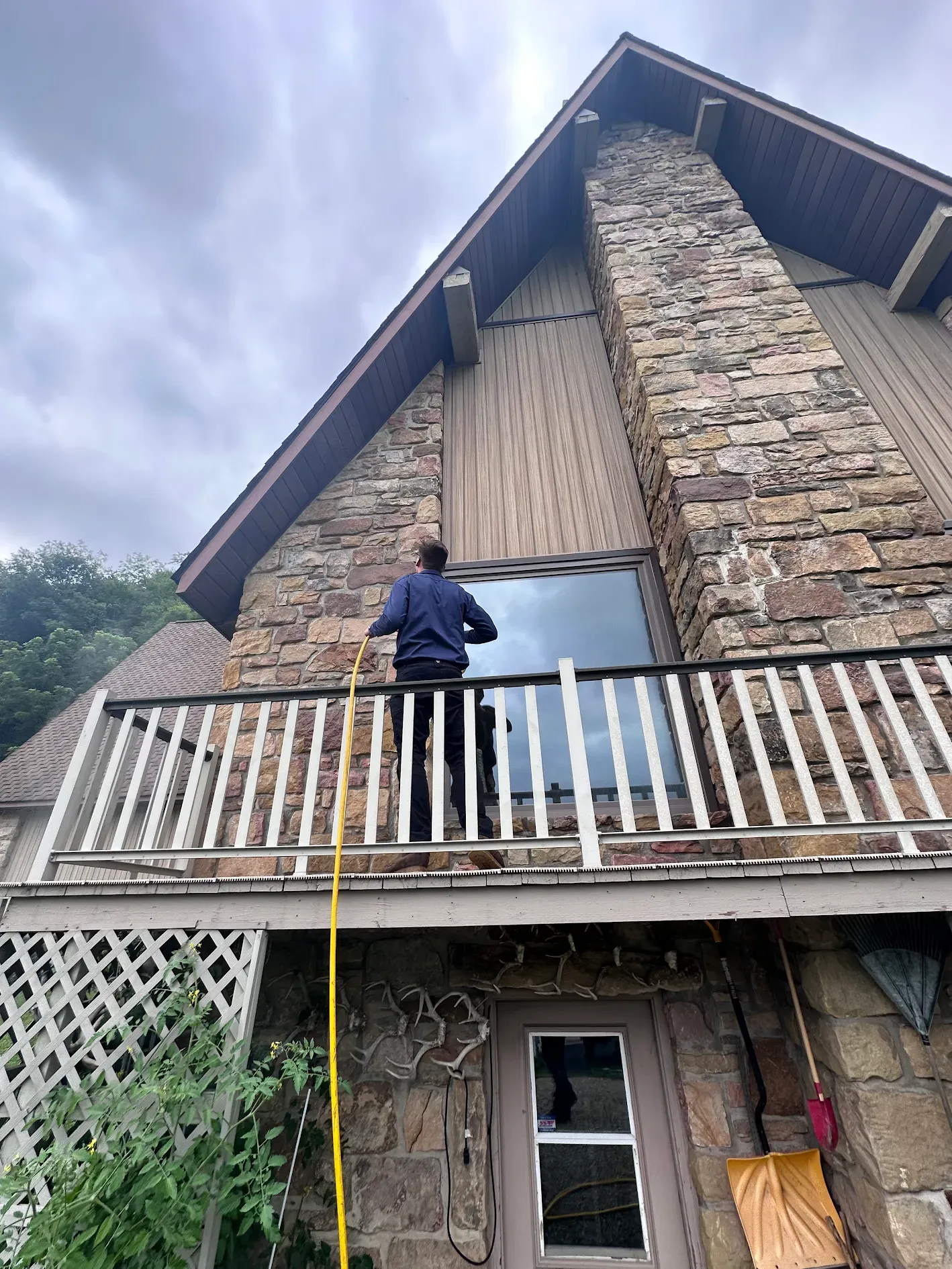
A spring treatment from a pest expert creates a protective barrier around your home. Protective Pest Management offers treatments that specifically target seasonal ant activity in Johnstown.
People Also Ask
Why are ants worse in spring than in summer?
Spring triggers colony expansion, so activity is highest when ants begin foraging after months of dormancy.
Can ants come back after treatment?
Yes. If entry points, food sources, or moisture problems remain, ants can return. Professional treatments paired with prevention offer the best long-term results.
Do ants cause structural damage?
Carpenter ants can damage wood, especially in damp areas. Early treatment prevents costly structural issues.
FAQ Section
Why do ants suddenly appear indoors in spring?
Ants enter homes because warmer temperatures signal the start of foraging. Indoor food and moisture attract them quickly.
How can I stop ants from coming back every spring?
Seal entry points, eliminate moisture, maintain cleanliness, and schedule preventive treatments before heavy activity begins.
Are spring ants dangerous?
Most are nuisance pests, but carpenter ants and some species can cause structural or food contamination issues.
Should I try DIY ant sprays?
DIY sprays kill visible ants but rarely eliminate the colony. Professional treatments are more effective for long-term control.
When should I call a pest control company?
If you see persistent trails, carpenter ant activity, or repeated infestations year after year, it is time to call professionals.
Call for a Free Quote
If spring ants are showing up in your home, professional help can solve the problem quickly. Call
Protective Pest Management today at
(814) 244-0067 or fill out our
online form to request a free quote. Our treatments target seasonal ant activity and keep your home protected all year..

Share This