What Should I Do if I Find Rodents in My Basement?
AI Summary
- Rodents enter basements seeking warmth, food, and shelter, especially in colder seasons.
- Look for signs like droppings, gnaw marks, nests, and scratching sounds to confirm the problem.
- The best response includes sealing entry points, removing attractants, setting traps, and calling professionals.
- Professional rodent control prevents ongoing infestations and protects your home from damage and health risks.
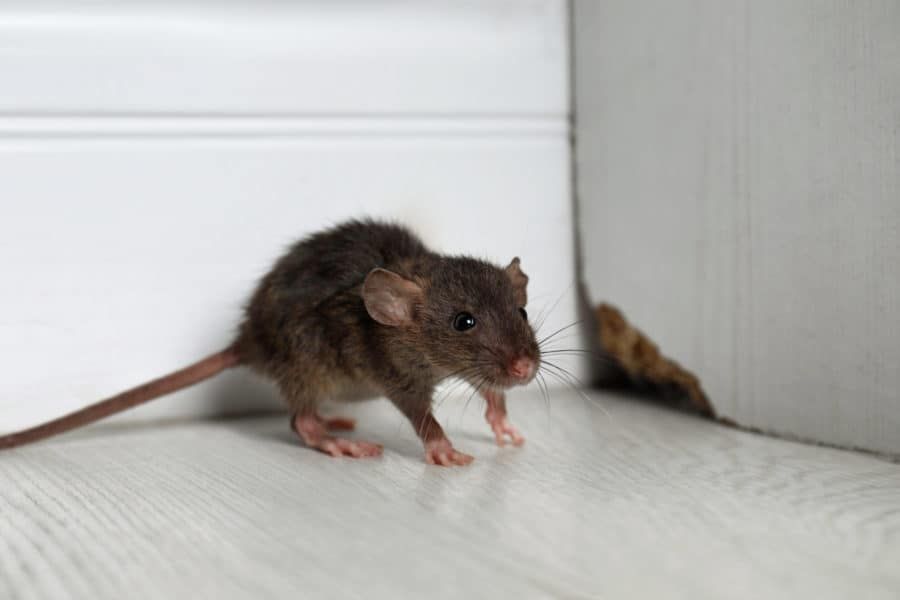
Finding rodents in your basement can be unsettling, especially when you realize how quickly small problems can grow into serious infestations. Basements are ideal hiding spots for rats and mice because they offer warmth, shelter, moisture, and plenty of dark corners. Once rodents get inside, they can chew wires, contaminate food, damage insulation, and spread harmful bacteria.
If you have recently found signs of rodents in your basement, there are important steps to take immediately. This guide explains how to identify rodents, what actions to prioritize, how to prevent the infestation from spreading, and when to call a professional for help.
Why Rodents Love Basements
Rodents choose basements because they provide everything mice and rats need to survive. Basements are typically quiet, dark, and rarely disturbed. When temperatures drop outside, rodents look for warmth and shelter, and a basement offers exactly that.
Here are the most common reasons they enter:
Easy Entry Points
Rodents can squeeze through tiny openings. Mice need only a quarter-inch gap, while rats can enter through half-inch openings. Cracks in foundations, gaps around pipes, sump pump openings, and poorly sealed windows allow easy access.
Reliable Food Sources
Even if you never store food in your basement, rodents can survive off:
- Crumbs from stored boxes
- Pet food or bird seed
- Garbage containers
- Paper, cardboard, and fabric materials
Basements full of storage boxes make ideal nesting and feeding areas for rodents.
Warmth and Nesting Materials
Rodents use:
- Insulation
- Cardboard
- Clothes
- Stored decorations
- Paper products to build nests. Warm basements narrow their need to search for shelter elsewhere.
Damp or Moist Conditions
Rodents thrive in areas with water sources. Leaky pipes, condensation, and humidity create perfect environments for them.
Signs You Have Rodents in the Basement
Before taking action, confirm the type of rodent activity. Common signs include:
Droppings
Rodent droppings are the most reliable indicator. Mice droppings are small and pointed, while rat droppings are larger and rounded.
Gnaw Marks
Rodents chew constantly to keep their teeth filed. Look for damage on wires, pipes, boxes, wood, insulation, or stored items.
Scratching or Scampering Sounds
Noises in walls, ceilings, or along basement floors often indicate movement.
Nesting Materials
Shredded items, including paper, insulation, or cardboard, often indicate active nests.
Strong Odors
Rodents leave behind urine trails, which create musky smells over time.
If you notice any of these signs, take action immediately.
What to Do If You Find Rodents in Your Basement
Step 1: Avoid Using Poison
Poisons may seem like a quick fix, but they create more problems. Poisoned rodents often die inside walls or floors, leaving strong odors. They can also pose risks to pets, children, and wildlife.
Step 2: Seal Entry Points
The fastest way to stop rodent activity is to block the areas they are using to enter your home. Check:
- Cracks in the foundation
- Gaps around pipes and utility lines
- Open vents
- Basement windows
- Unsealed floor drains
Use steel wool, metal flashing, or caulk. Rodents cannot chew through metal-based materials.
Step 3: Remove Food and Clutter
Eliminate anything that attracts rodents. This includes:
- Storing food in airtight containers
- Cleaning up crumbs and spills
- Securing trash cans
- Removing clutter that hides nesting areas
A clean, organized basement is much less appealing to rodents.
Step 4: Set Traps Strategically
Snap traps and electronic traps work well for basements. Place traps along walls, near droppings, and in dark corners. Rodents prefer traveling along edges, so avoid placing traps in open spaces.
Use effective bait such as:
- Peanut butter
- Nuts
- Seeds
- Chocolate
- Pet food
Check traps daily and dispose of rodents safely using gloves.
Step 5: Address Moisture Problems
Fix leaky pipes, improve ventilation, and use a dehumidifier. Rodents stay longer in moist environments.
Step 6: Monitor for Continued Activity
Even if the rodents seem gone, continue checking your basement for signs of movement, droppings, or new entry points.
Step 7: Call Professional Rodent Control
DIY methods might reduce activity, but they often fail to eliminate the entire infestation. Rodents reproduce quickly, hide in walls, and use multiple entry points that homeowners often overlook.
Professional rodent control technicians can:
- Identify all nesting areas
- Locate hidden entry points
- Set expert-level traps
- Install exclusion materials
- Provide long-term prevention plans
Companies like Protective Pest Management use proven methods to remove rodents safely and prevent future problems.
People Also Ask
Why are rodents more common in basements than in other rooms?
Basements offer warmth, moisture, and shelter, making them ideal nesting spaces.
Can rodents spread disease to my family?
Yes. Rats and mice can transmit harmful bacteria, contaminate surfaces, and trigger asthma symptoms.
How many rodents are typically in a basement?
Even if you see one, there may be several more hiding. Rodents reproduce quickly and rarely live alone.
Do rodents cause electrical or structural damage?
Yes. Rodents chewing wires can lead to fire hazards, and damaged insulation increases energy costs.
FAQ Section
How quickly should I act after seeing rodent signs?
Immediately. Rodents reproduce fast and can cause expensive damage within days.
Are glue traps effective?
Glue traps catch some rodents but pose ethical concerns and require careful placement. Snap traps are more reliable.
Should I clean droppings myself?
Clean them with gloves and disinfectant. Avoid sweeping droppings because they can spread bacteria into the air.
How do professionals remove rodents?
Experts use strategic trapping, exclusion, and sanitation plans that eliminate current infestations and block future ones.
Call for a Free Quote
Rodents multiply quickly, hide in walls, and can cause expensive damage if ignored. Call
Protective Pest Management today at
(814) 244-0067 or fill out our
online form to request a free quote. Our expert team provides safe, fast, and effective rodent control to protect your home and family.

Share This