What Steps Are Taken in Professional Wasp Removal?
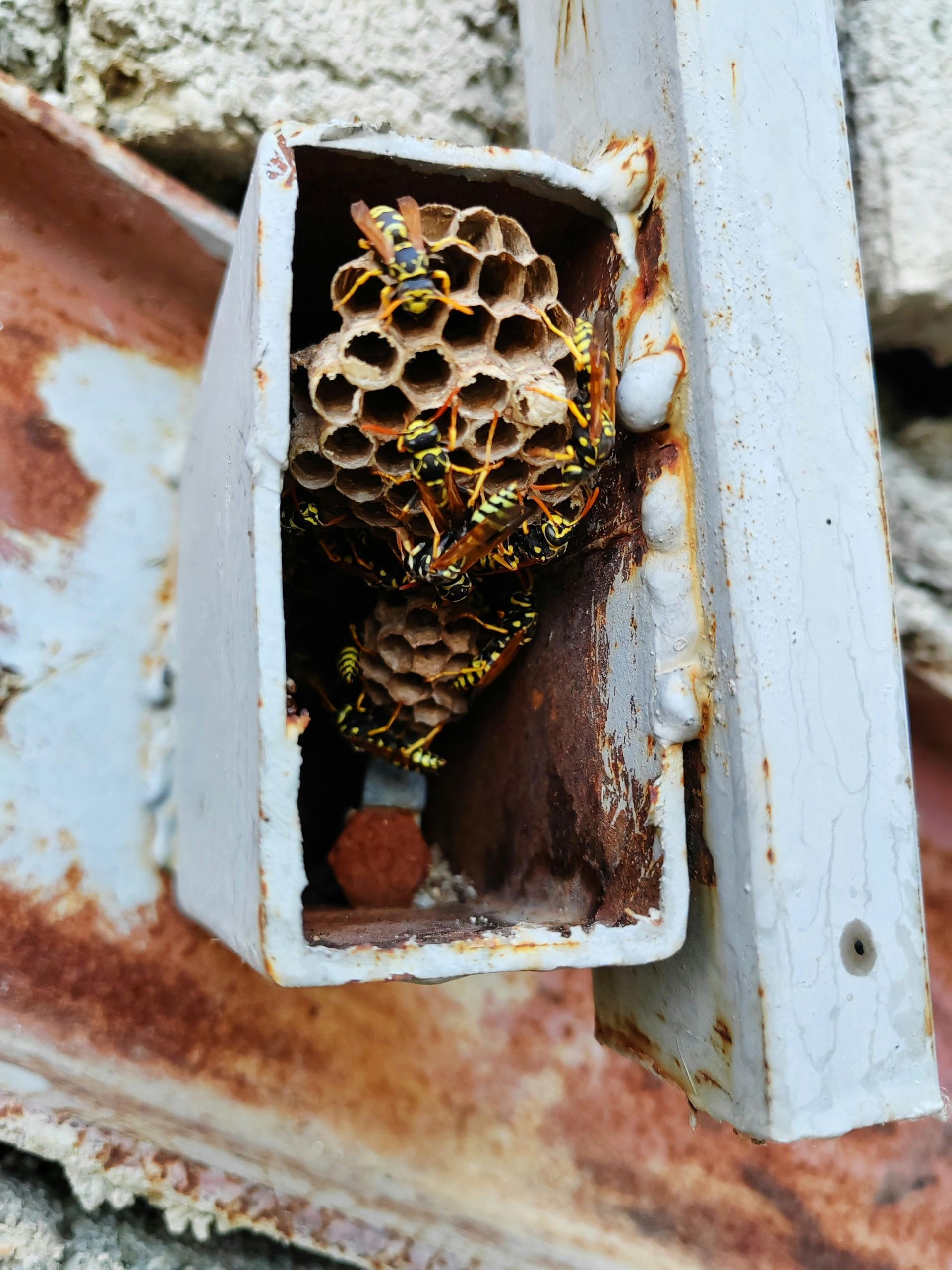
Finding a wasp nest near your home can be stressful, especially if it’s close to entryways, decks, or outdoor areas your family uses. While a few wasps might not seem like a big deal, a full nest can hold hundreds of aggressive insects capable of delivering painful stings. Trying to handle it yourself can be dangerous; that’s why professional wasp removal is the safest and most effective solution.
But what exactly do experts do when they remove a wasp nest? Here’s a breakdown of the key steps professionals take to eliminate wasps safely and prevent them from coming back.
1. Inspection and Identification
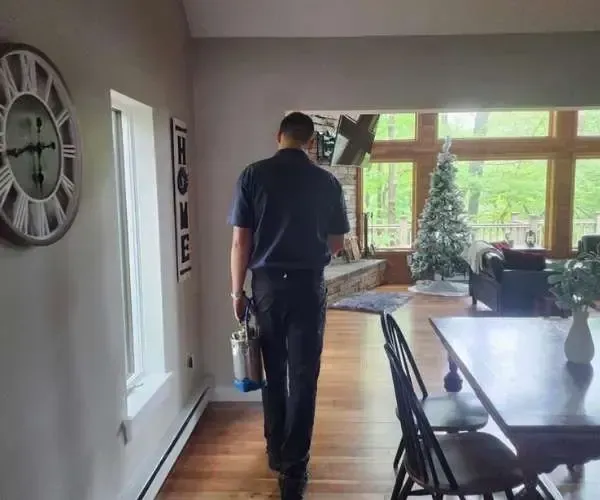
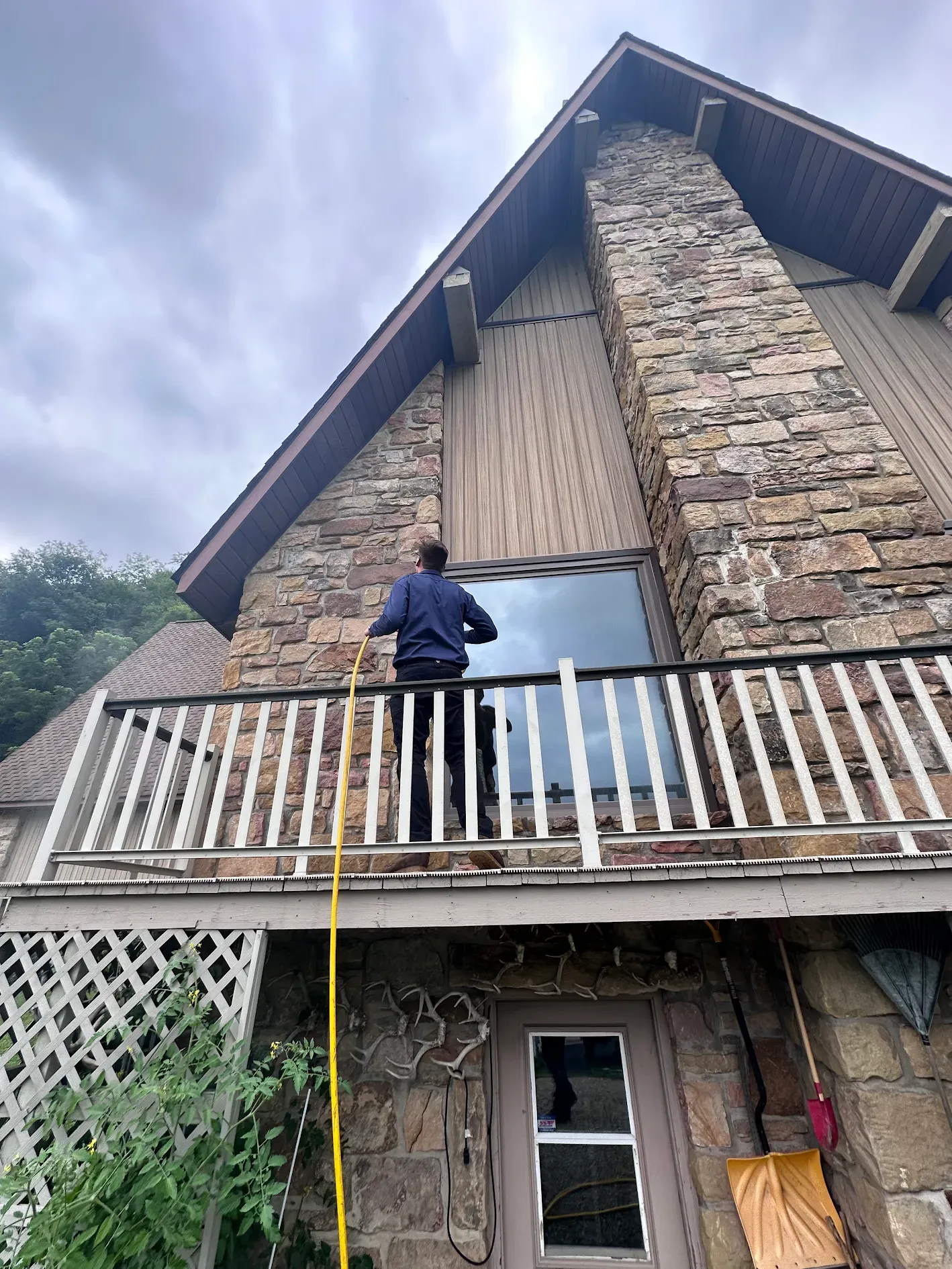
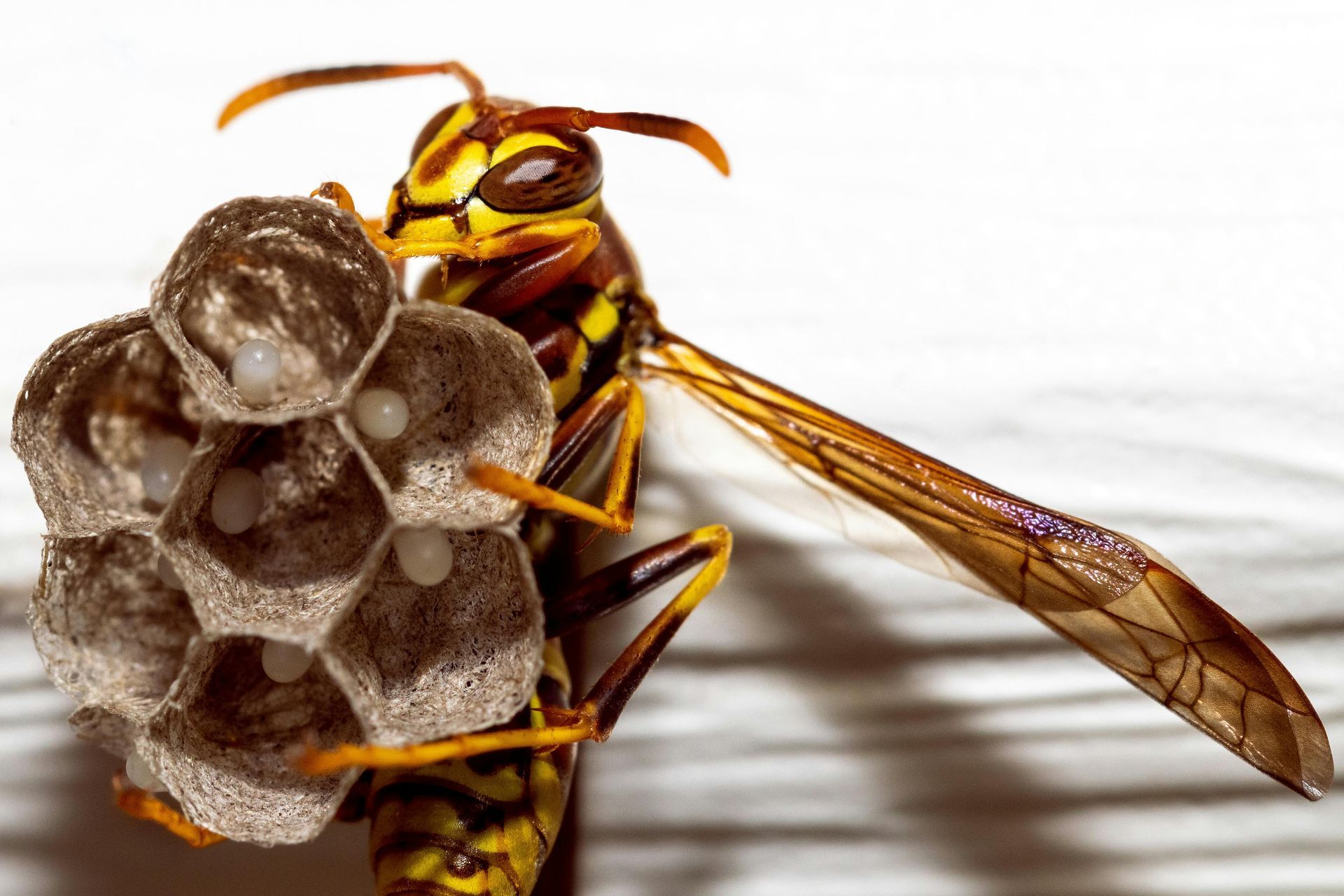
The first step in any professional wasp control service is a detailed inspection. Technicians identify the wasp species and locate all active nests around the property.
Different types of wasps, such as paper wasps, yellowjackets, and hornets, build nests in different locations. Paper wasps prefer eaves and overhangs, while yellowjackets often nest underground. Identifying the species helps determine the safest and most effective removal strategy.
Professionals also assess nearby risk factors, such as structural gaps or food sources that might attract wasps back later.
2. Choosing the Right Removal Method
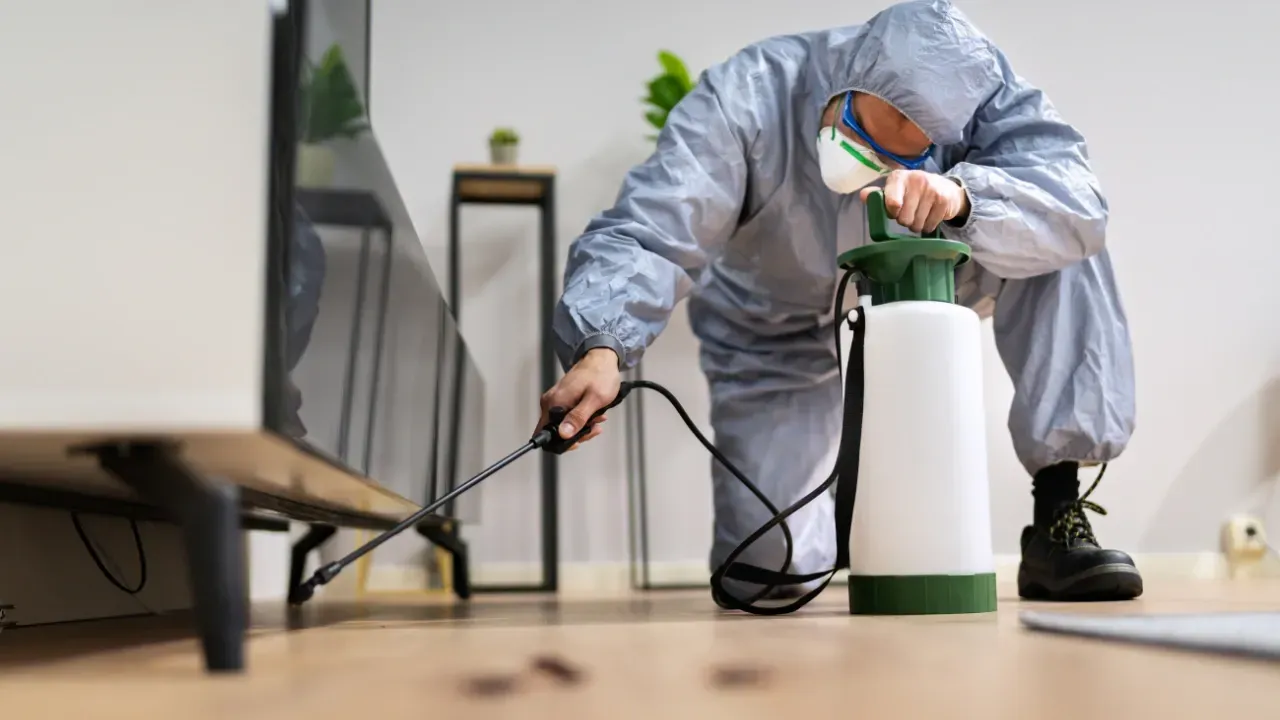
Once the inspection is complete, the pest control technician selects the appropriate removal method. This depends on the size of the nest, the location, and the type of wasps present.
Some of the most common professional methods include:
- Chemical application: Safe, targeted insecticides are applied directly to the nest to eliminate the colony.
- Dust treatments: Used for nests inside walls, attics, or underground, where sprays can’t reach.
- Physical removal: For accessible nests, technicians may remove the structure after neutralizing all wasps.
At
Protective Pest Management, we always use EPA-approved products that are safe for families, pets, and the environment while being highly effective against wasps.
3. Safe Removal and Disposal
After the wasps have been neutralized, professionals remove the nest and safely dispose of it. This is a critical step that ensures no eggs or pheromones remain that could attract new wasps to the same spot.
In some cases, nests inside walls or attics may require careful disassembly to avoid property damage. Pest control experts are trained to handle these situations without disturbing the surrounding structure.
4. Prevention and Future Protection
The best pest control doesn’t end with removal; it includes prevention. After taking care of the nest, technicians inspect the area for possible entry points or attractants.
They may recommend sealing small openings, repairing screens, or removing food and waste sources that attract wasps. Preventive treatments can also be applied around vulnerable areas to discourage new colonies from forming.
5. Follow-Up and Monitoring
Some infestations require a follow-up visit to ensure all wasp activity has been eliminated. Professional pest control companies typically include this as part of their service, providing homeowners with peace of mind that the problem won’t return.
A quality pest management plan focuses not only on removing existing nests but also on protecting your property year-round.
Why Professional Wasp Removal Works Best
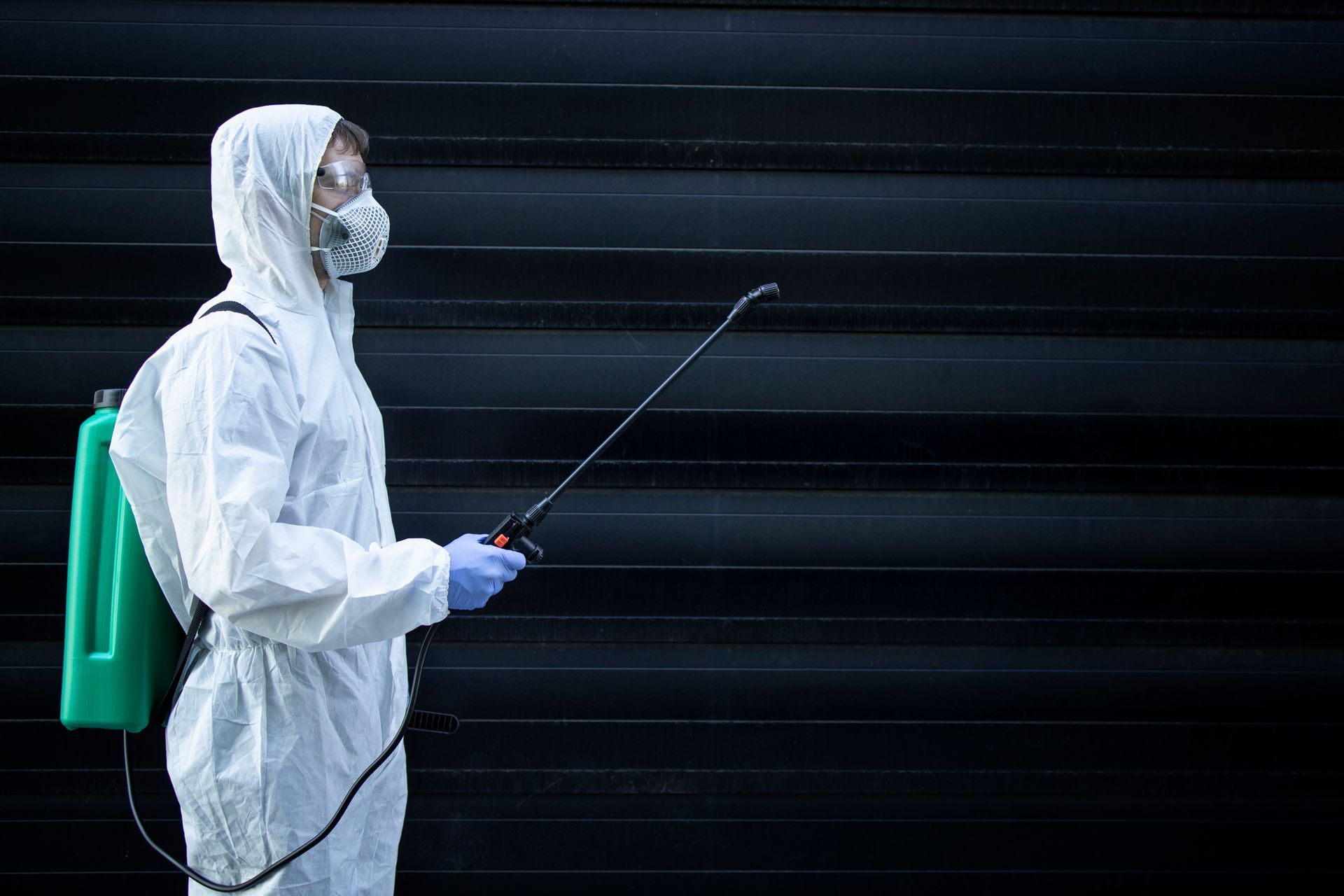
Professional exterminators have the right equipment, safety gear, and experience to handle wasp infestations without risk. Attempting to remove a nest yourself can lead to multiple stings and may make wasps more aggressive.
With expert removal and preventive care, you can enjoy your outdoor spaces safely again.
At
Protective Pest Management, our team provides fast, reliable wasp removal services for homes and businesses across Johnstown and the surrounding areas. We eliminate nests safely and ensure your property stays protected long after the treatment.
Call for a Free Quote
Don’t take chances with wasp nests near your home. Call
Protective Pest Management today at
(814) 244-0067 or fill out our
online form to request a free quote. Our trained technicians will remove wasps safely and help you keep your property pest-free year-round.

Share This