Why Is Professional Wasp Removal Safer Than DIY?
You’re outside enjoying a warm afternoon when you spot a wasp nest under the eaves or near your porch. Your first thought might be to grab a can of spray and handle it yourself, but before you do, it’s worth considering the risks.
While it may seem simple, wasp nest removal is one of the most dangerous DIY pest control tasks a homeowner can attempt. Wasps are territorial and aggressive when threatened, and one wrong move can lead to multiple painful stings or even serious allergic reactions. That’s why professional wasp removal is always the safer and smarter choice.
Let’s explore why expert help is not only more effective but also much safer for you and your home.
1. Wasps Are Aggressive Defenders
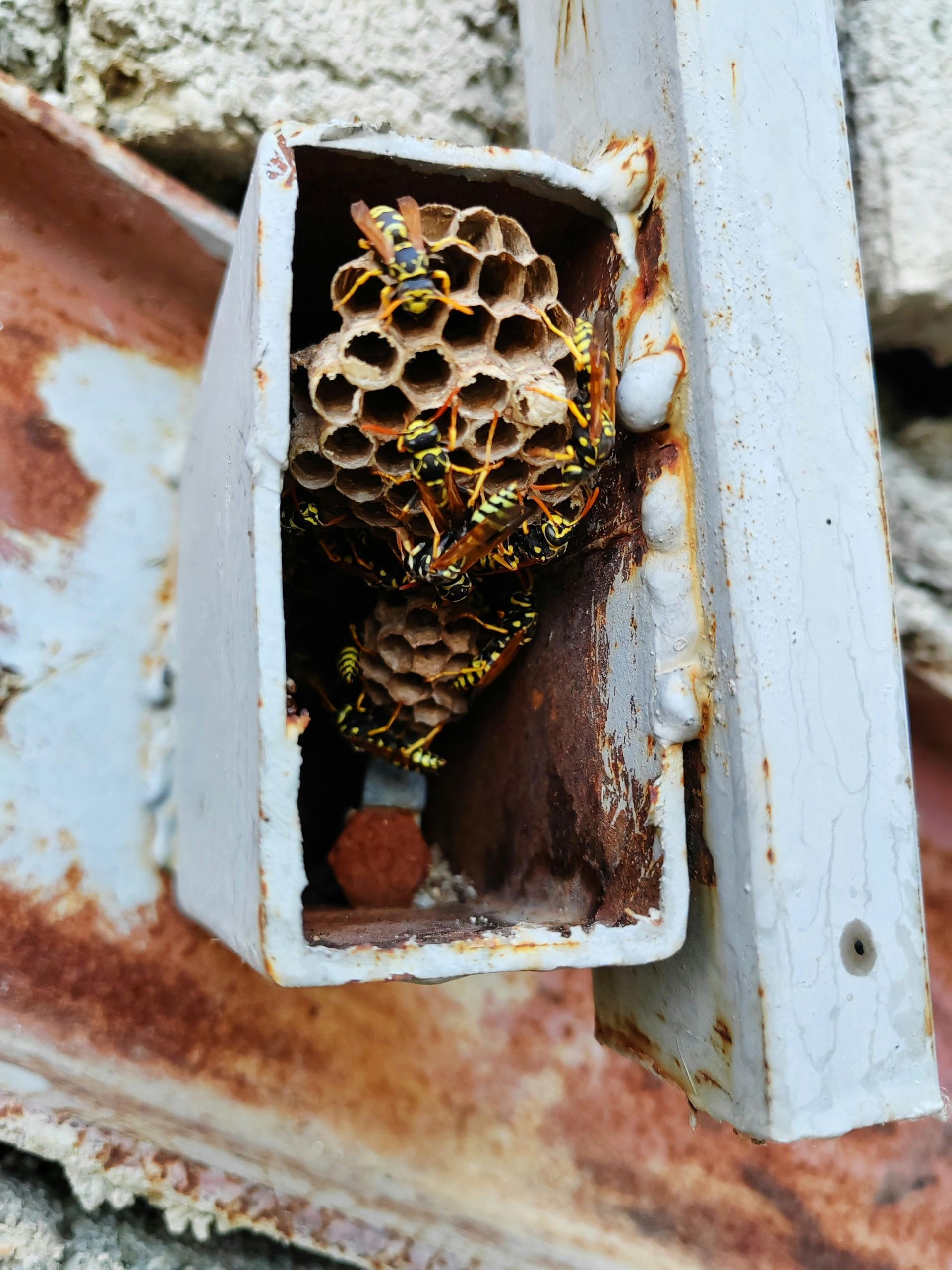
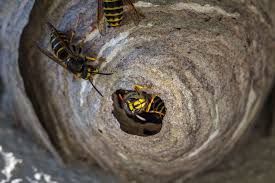
Wasps don’t attack unless they feel their nest is in danger, but once disturbed, they defend it fiercely. When one wasp stings, it releases pheromones that alert others to join in. A single nest can contain hundreds (or even thousands) of wasps, which can quickly turn a simple DIY job into a dangerous situation.
Professionals are trained to approach nests safely, using protective gear and strategic methods to neutralize colonies without provoking an attack.
2. Proper Equipment and Protective Gear
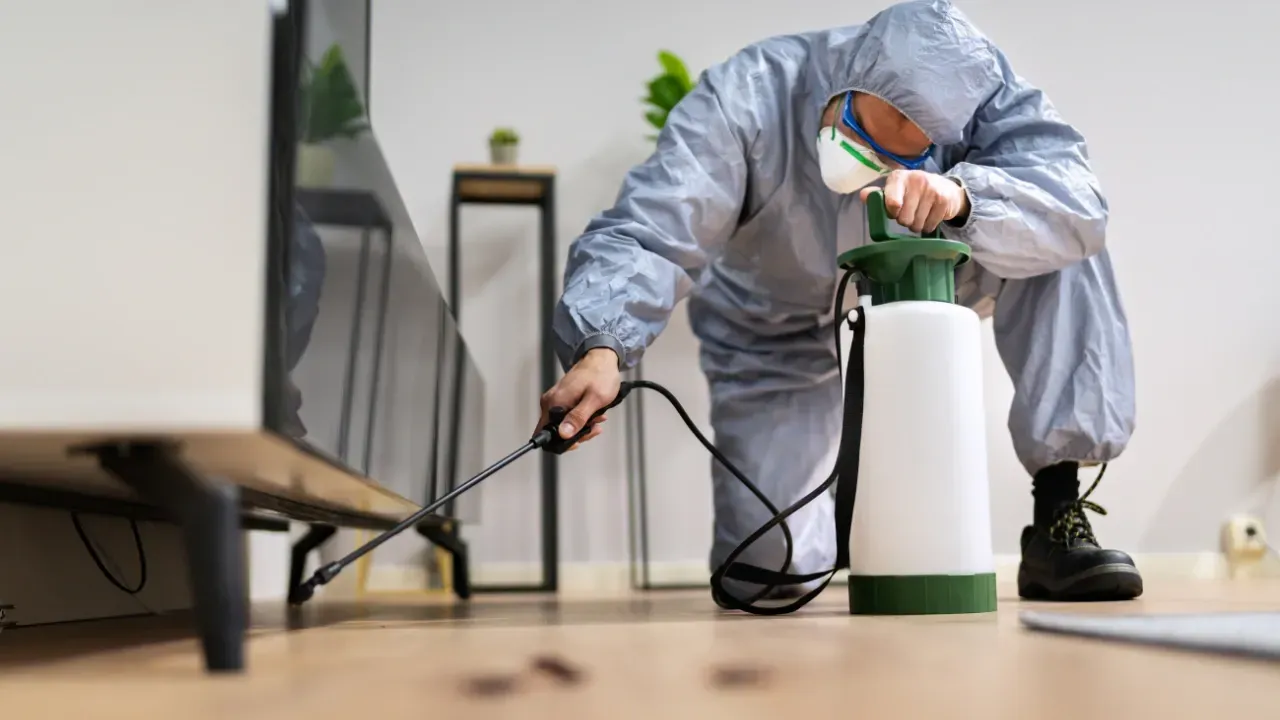
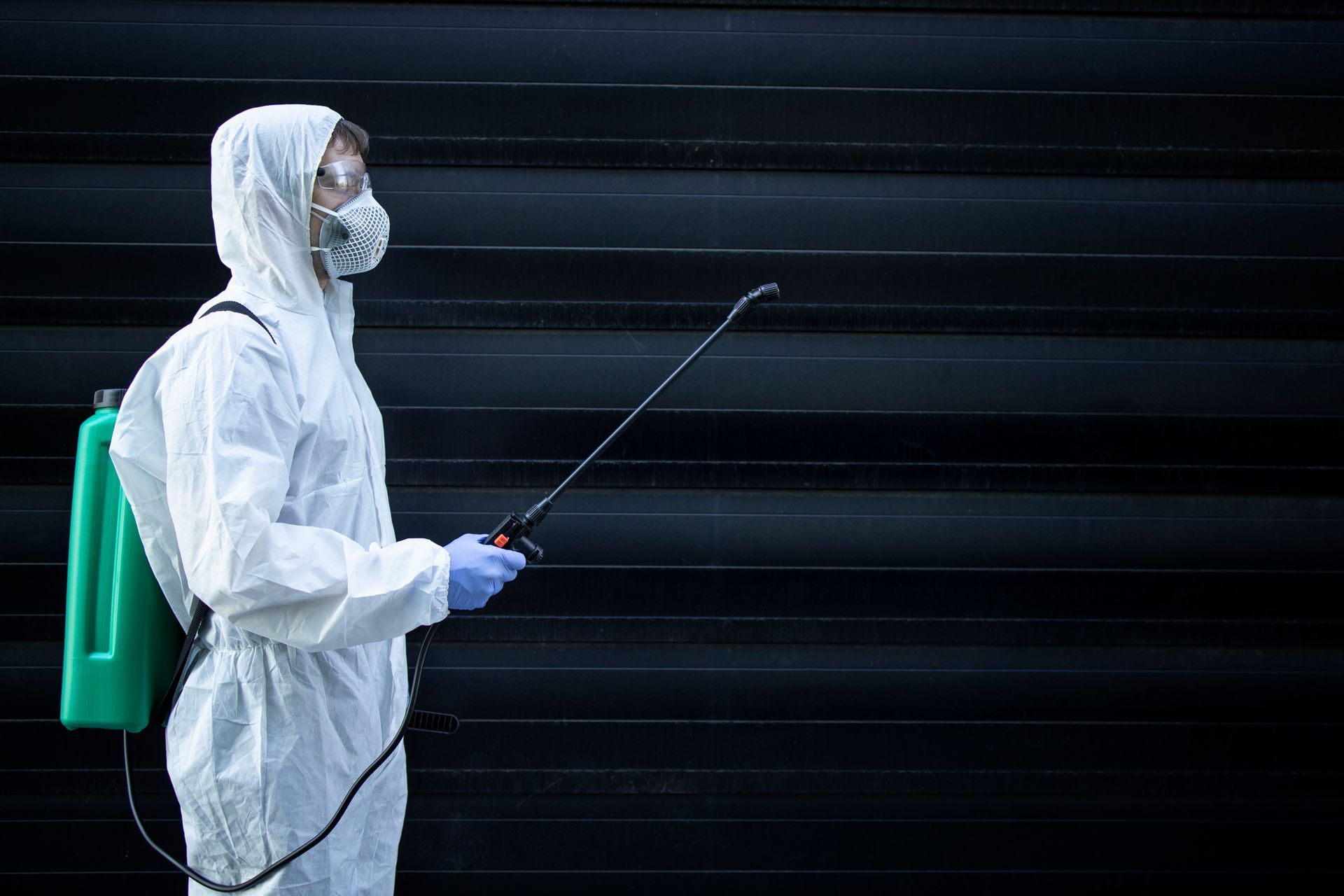
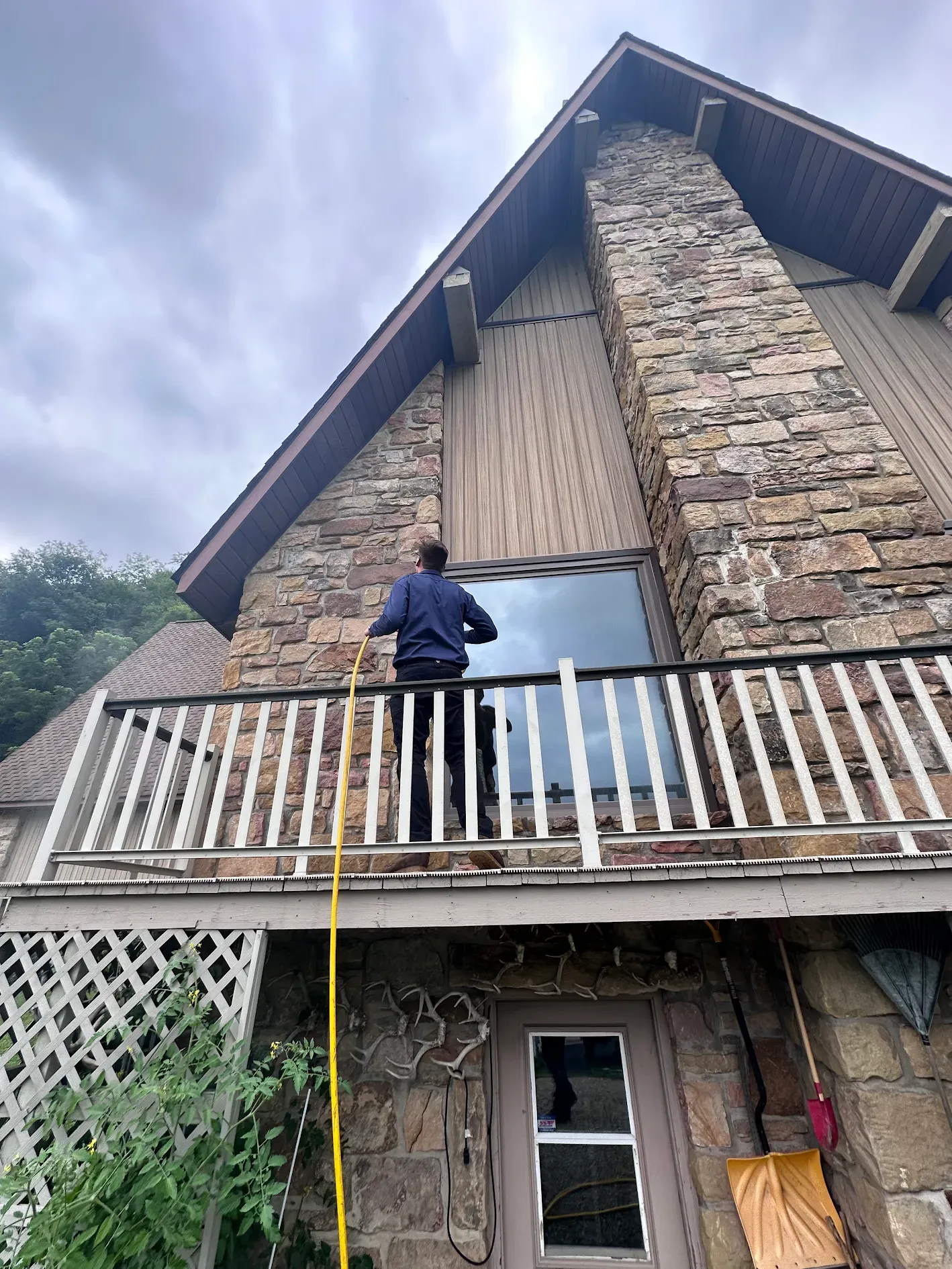
DIY sprays and makeshift solutions rarely protect you from stings, especially when the nest is high up or hard to reach. Professionals, on the other hand, use industry-grade safety gear, including full protective suits, gloves, and face shields, as well as extendable tools designed for safe nest access.
These precautions ensure the wasp removal process is done safely and effectively, with no risk to the homeowner.
3. Accurate Identification and Targeted Treatment
Not all wasps are the same. Yellowjackets, hornets, and paper wasps each require different removal techniques. Using the wrong method or spray can make the situation worse, scattering the colony or driving the wasps deeper into your home’s structure.
Professional pest control experts identify the wasp species first, then apply the most effective and least invasive treatment for your specific infestation. This ensures that the entire colony, including the queen, is eliminated.
4. Preventing Future Infestations
DIY wasp control often ends once the visible nest is gone, but that doesn’t mean the problem is solved. Wasps leave pheromone trails that attract new colonies to the same area. Professionals go beyond removal by applying preventive treatments and sealing entry points to stop wasps from rebuilding.
Companies like
Protective Pest Management not only eliminate current infestations but also provide ongoing protection to keep your property pest-free year-round.
5. Avoiding Health Risks and Property Damage
Aside from the risk of stings, some wasp nests are located in sensitive areas, inside walls, attics, or roof voids. Attempting to remove these on your own can cause damage to your property or push wasps further into your home.
Professional exterminators know how to safely treat nests in difficult locations without harming your home’s structure. They also ensure that removal is complete, so no remnants of the nest remain.
The Bottom Line: Safety Comes First
When it comes to wasp removal, safety is non-negotiable. Professionals have the experience, equipment, and techniques to eliminate wasps efficiently and prevent them from coming back. Trying to handle an active nest on your own can result in painful stings and recurring infestations.
At
Protective Pest Management, we specialize in
safe wasp removal for homes and businesses across Johnstown and the surrounding Pennsylvania areas. Our team handles everything, from inspection to prevention, so you can enjoy your space without worry.
Call for a Free Quote
Don’t risk painful stings or recurring nests. Call
Protective Pest Management today at
(814) 244-0067 or fill out our
online form to request a free quote. Our licensed professionals will remove wasps safely and protect your property with proven, year-round solutions.

Share This