Why Are Wasps Nesting Near My North Huntingdon Home?
AI Summary
- Wasps nest near homes in North Huntingdon because of warm shelter, food availability, and ideal nesting structures.
- Spring and summer weather increases wasp activity and encourages nest building around eaves, decks, and attics.
- Understanding what attracts wasps can help homeowners prevent nests from forming.
- Safe prevention and professional removal protect your family from painful stings and recurring infestations.
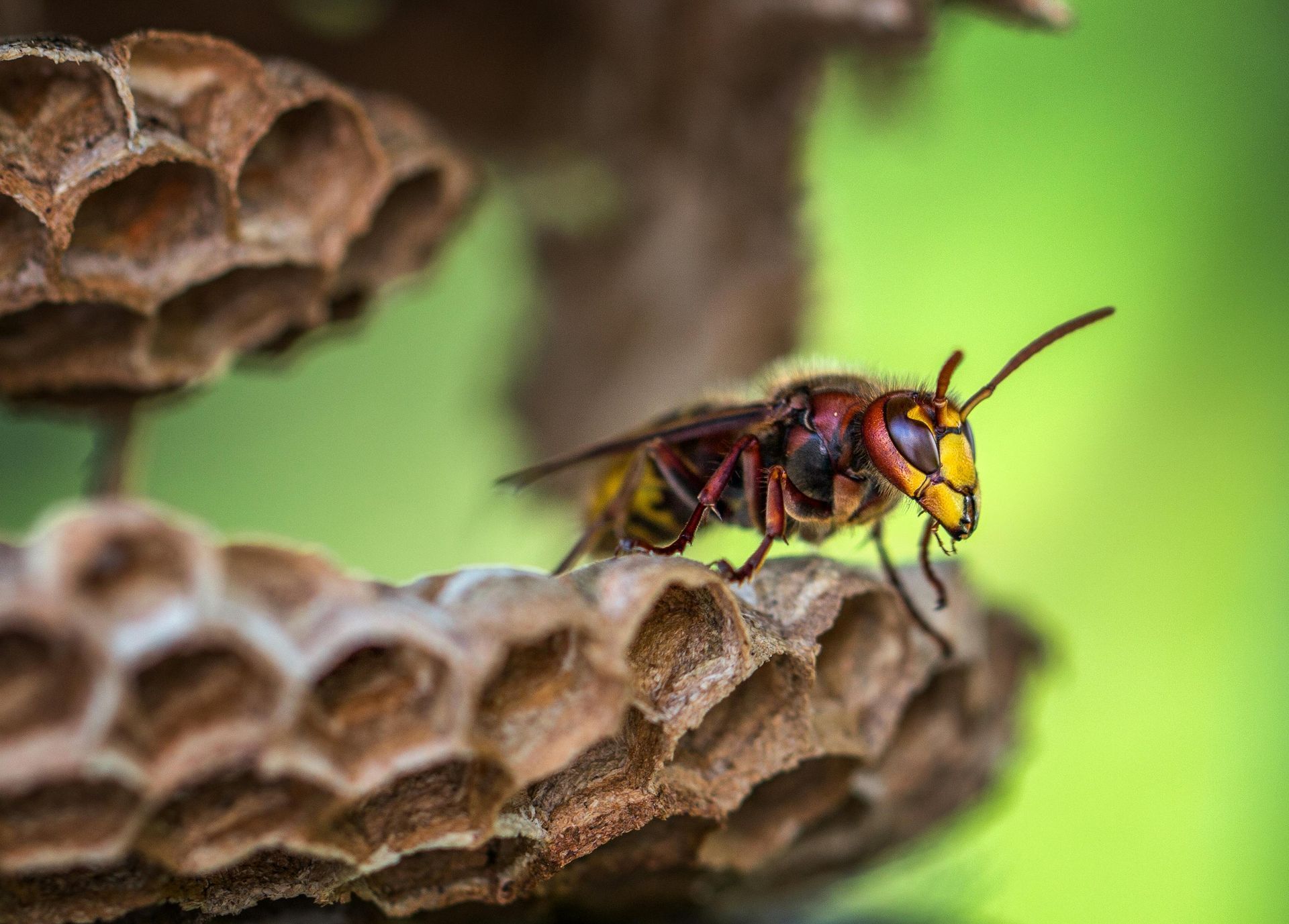
Wasps are a common concern for homeowners throughout North Huntingdon, especially during the warmer months when their activity peaks. Many residents begin to notice new nests forming under roof overhangs, inside sheds, beneath decks, or even in wall voids. While wasps play a role in the environment, they can become dangerous when they start building nests close to living areas.
If you have been wondering why wasps keep nesting near your home, this guide explains the causes, the environmental factors influencing their behavior, and what you can do to stop future nests from appearing.
Why Wasps Choose Homes in North Huntingdon
Wasps prefer areas that offer warmth, food, water, and shelter. Neighborhoods in North Huntingdon provide all of these conditions, making homes a perfect location for nests.
Below are the most common reasons wasps choose residential properties.
Warm, Sheltered Nesting Spots
Wasps love protected areas where weather and predators cannot disturb their colonies. Around homes, they typically nest in:
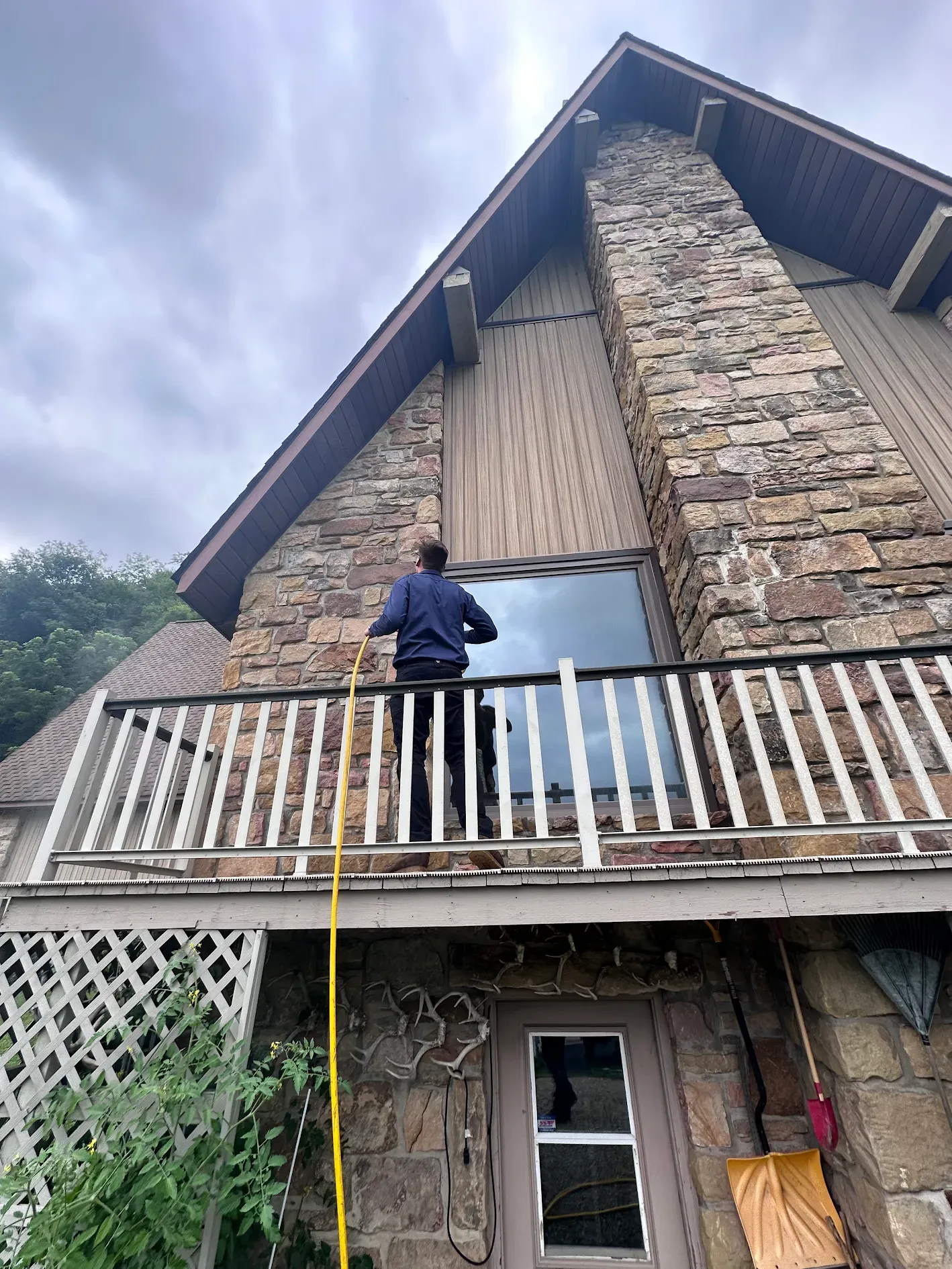
- Roof eaves
- Soffits
- Attics
- Deck undersides
- Outdoor sheds
- Porch ceilings
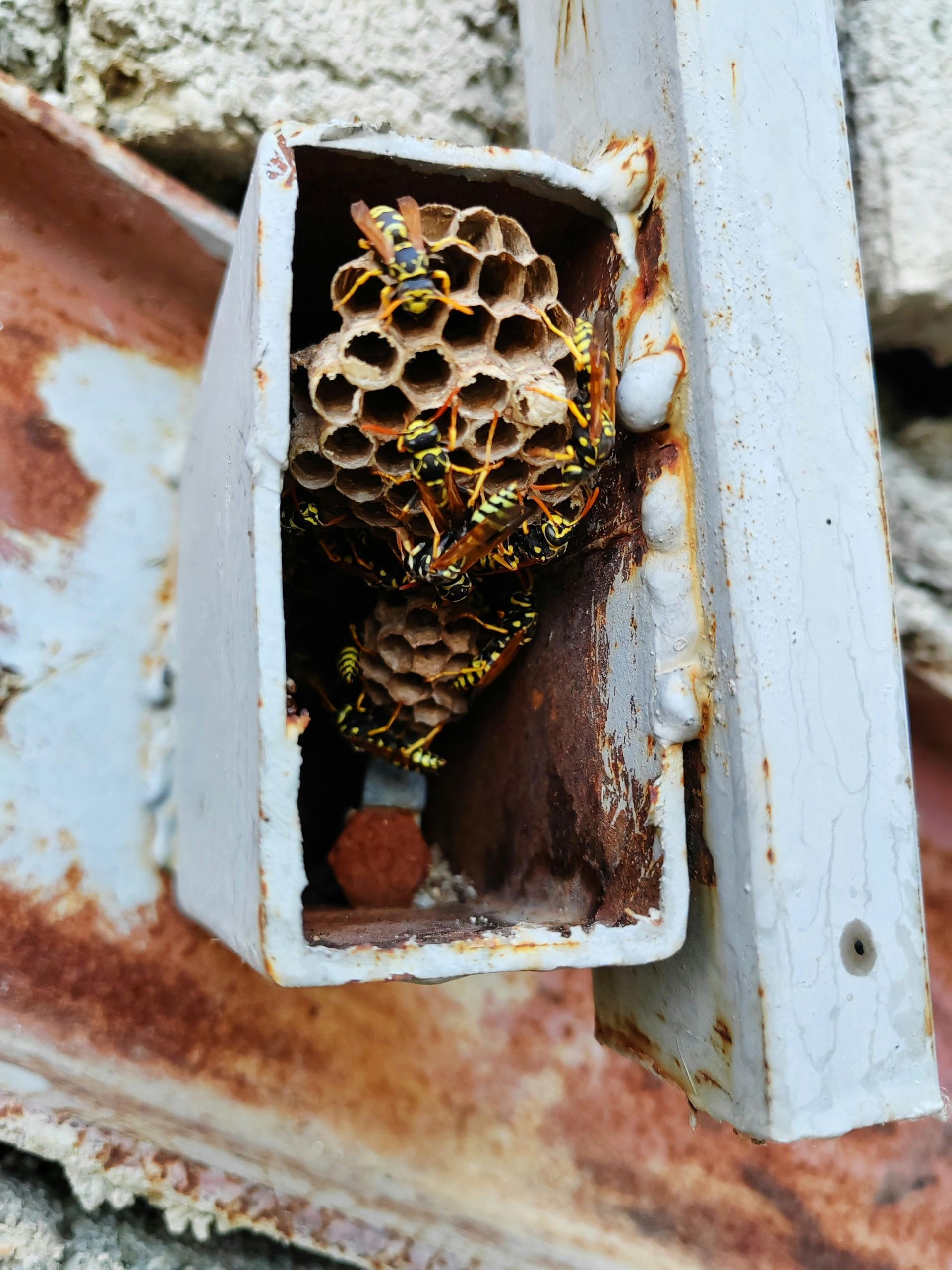
- Wall cavities
- Fence rails
These areas provide enough warmth and coverage for the queen to build her first brood in spring.
Abundant Food Sources
Wasps are attracted to both protein and sugar. Your home may be unknowingly providing them with what they need.
Protein sources include:
- Insects near gardens
- Garbage cans
- Outdoor pet food
- Compost bins
- Grills and food residue
Sugar sources include:
- Flowering plants
- Fruit trees
- Soda cans
- Outdoor dining areas
- Spilled drinks or sweets
When food is readily available, wasps are more likely to establish nests nearby.
Water Availability
Wasps require water for drinking and nest building. Homes with water access points can attract insect activity.
Common water sources include:
- Leaky hoses
- Bird baths
- Clogged gutters
- Damp soil
- Air conditioning condensation lines
Even small water sources support colony growth.
Gaps and Entry Points in the Home
Wasps will explore openings that lead into sheltered spaces. Any small gap could invite them in.
These include:
- Damaged siding
- Cracked soffits
- Loose shingles
- Gaps in foundation vents
- Openings around utility lines
- Unscreened attic vents
Once inside a protected area, wasps may build large nests that go unnoticed until late summer.
Nearby Vegetation
Landscaping can also influence wasp activity. Homes with:
- Dense shrubs
- Overgrown bushes
- Flower beds
- Fruit-bearing plants
- Wood piles
They are more likely to attract insects. Vegetation provides cover, hunting grounds, and places for wasps to rest.
Seasonal Weather Patterns
North Huntingdon weather plays a major role. Wasps become more active when temperatures rise above 55 degrees, and humidity increases after spring rain. Warm summers also increase the number of pests that wasps feed on, strengthening colony growth.
Common Wasp Species in North Huntingdon
Understanding which species you are dealing with helps to determine the risks and the best removal method.
Yellowjackets
Aggressive, territorial, and known for nesting in wall voids, ground holes, or crawl spaces. Their colonies can grow to thousands by late summer.
Paper Wasps
Often found under eaves and porch ceilings. They have open, umbrella-shaped nests and are less aggressive unless threatened.
Bald Faced Hornets
A type of wasp that builds large, enclosed paper nests in trees, rooflines, or high exterior walls. Their stings are painful.
Mud Daubers
Less aggressive and solitary. They build tube-shaped mud nests near sheltered structures.
Why Wasps Return to the Same Home
Wasps often rebuild near the same areas year after year because pheromones from old nests remain. Even after a nest is removed, the scent can linger, attracting future queens.
Other reasons they return include:
- Structural gaps that remain unsealed
- Abundant food sources that never change
- Warm sheltered areas that offer perfect nesting
- Landscaping that supports other insects, which wasps feed on
Preventive measures must be consistent to break this cycle.
How to Prevent Wasps from Nesting Near Your Home
Preventing wasps is far easier and safer than removing active nests.
Here are the key steps:
Seal Gaps and Repairs
Inspect your home exterior and seal all cracks, gaps, and openings using caulk or weather-resistant materials. Pay close attention to soffits, attic vents, wall voids, and siding seams.
Reduce Food and Waste
Keep garbage cans tightly sealed. Clean grills after use. Do not leave sugary drinks or food outside.
Manage Landscaping
Trim bushes, remove overgrown foliage, and keep plants away from walls. Reduce dense areas that attract insects.
Fix Water Issues
Repair leaks, unclog gutters, and eliminate standing water.
Remove Old Nests
Even if inactive, old nests can attract new queens. Have them removed during winter or early spring.
Schedule Professional Inspections
Annual inspections reduce risks by finding early colony activity. Professionals can spot vulnerabilities you may not notice.
Companies like Protective Pest Management provide safe preventive treatments and expert wasp nest removal for North Huntingdon and the surrounding areas.
People Also Ask
Why do wasps return every year?
Old nest pheromones, structural gaps, and consistent food sources attract wasps back to the same areas.
Is it dangerous to remove a wasp nest myself?
Yes. Wasps attack when threatened, and disturbing the nest can lead to multiple stings.
When are wasps most aggressive?
Late summer is when colonies reach full size and wasps become more territorial.
Do wasps damage houses?
Wasps do not usually damage structures, but they can enter wall voids and cause hidden infestations.
FAQ Section
Why do wasps choose roof eaves for nesting?
Wasp queens prefer sheltered, elevated areas that are protected from rain and wind.
Should I knock down a small wasp nest?
Even small nests can be dangerous. Professional removal is always the safest option.
What time of year do nests start forming?
Most nests begin in early spring when queens become active.
Can wasp nests be removed at night?
Wasps are less active at night, but removal should still be handled by trained experts.
How do professionals remove wasp nests safely?
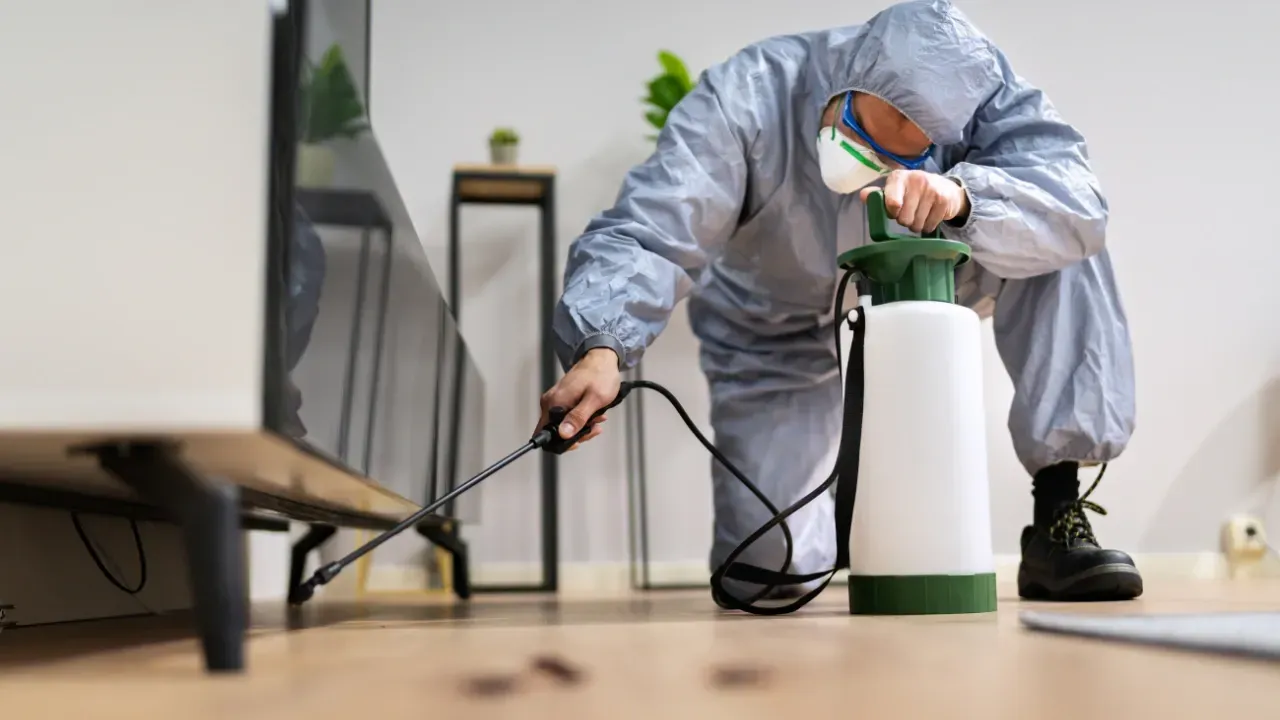
Experts use protective gear, specialized tools, and targeted treatments to remove nests without triggering aggressive swarms.
Call for a Free Quote
Wasps can become aggressive and dangerous when they build nests near your home. Call
Protective Pest Management today at
(814) 244-0067 or fill out our
online form to request a free quote. Our professional team safely removes nests and helps protect your home with long-term prevention solutions.

Share This